
First-generation winegrower in Gussago: limestone, ten years without sulphur and Campiani 2020.
Limestone doesn't give in: Alessandra Divella and Gussago's first single-plot wine
Alessandra Divella rarely talks about herself. For ten years she has let the wines speak: two and a half hectares in production and a cellar built from a ruin in Gussago, on the eastern edge of Franciacorta. For the first live tasting of the Wild Vigneron podcast she came to us, and brought a preview of her first single-plot wine.

One evening, a glass of Nicolas Joly
Alessandra is a first-generation winegrower: as a girl she wanted to be a writer. Then one evening a friend brings a bottle, opens it over dinner and leaves. She stays alone with the wine. "It was like having a person sitting across the table." It was a wine by Nicolas Joly. The next day, in the glass, it was different again. That's when she decided to try. In 2014 came the first vintage of Blanc de Blancs, a traditional-method sparkling wine in Gussago when nobody thought of it. In 2017 she found the ruin that is now her cellar: small, low lights, "a place of peace".
A vine in tension with the rock
Gussago has rock, active limestone, Jurassic soil. The vine goes down looking for water and minerals, the limestone doesn't give in, and the roots go deeper and deeper. "It's a long-term relationship," says Alessandra: this tension gives concentrated, intense fruit. The vineyards are spread over several plots, with steep slopes, different exposures and woods all around.
Campiani 2020: a single barrique
Usually the base wines spend 9-10 months in used barriques, until spring. For Campiani, one of the first vineyards she worked, Alessandra vinified the plots separately and left the wine one year longer. Then she chose a single barrique out of all of them, the one she felt was "the most magical". The rest went into the Blanc de Blancs. It's her first single-plot wine: we tasted it as a preview, with a tension you don't forget.
Without sulphur, oxygen becomes an ally
"If you don't use sulphur, you leave the door open." For many, oxygen is an unwanted guest; for Alessandra, with a few targeted choices, it makes the wine alive. She started with four barriques, today there are over a hundred, each with its own personality. After the first years spent understanding the terroir came the reserve wines, which now give depth to Clo Clo, Ninì and Dady.

Planting for those who come next
The plots have grown from two to six: 4 hectares, 2.5 in production and 1.5 of young vines. With traditional method, the wines from these vineyards will be drunk in about ten years. Her nephew and niece, Martina and Stefano, work with her. "We're all on loan," she says. Vineyard time isn't business time: you plant today for those who come next.
Where to start
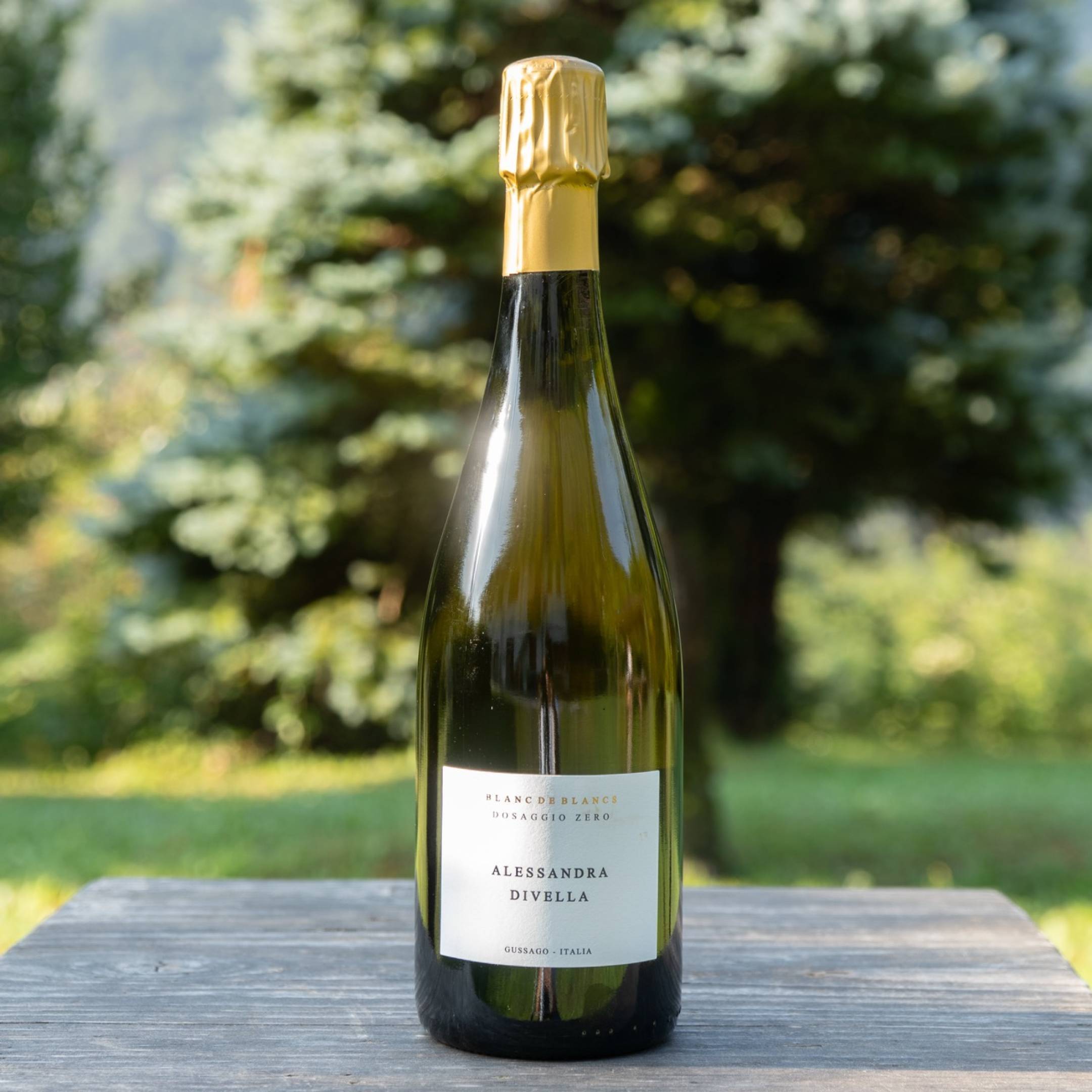
Blanc de Blancs
For: anyone meeting Alessandra for the first time.
Nose: bread crust, yeasted pastry.
Palate: crisp and taut, mineral freshness.
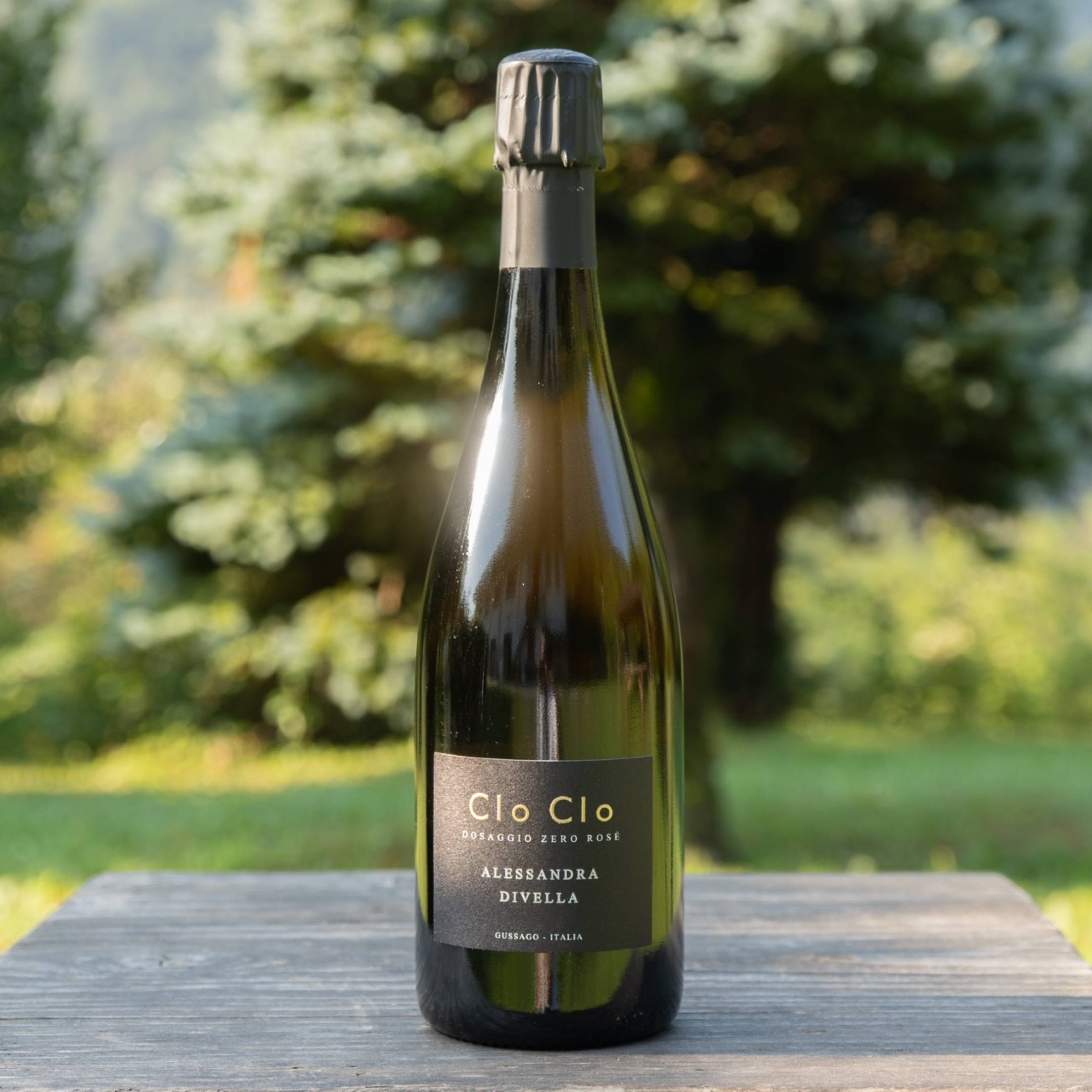
Clo Clo
For: those looking for a rosé that doesn't want to be pink.
Nose: very varietal, light toast, depth from reserve wines.
Palate: raw, big structure, mineral.
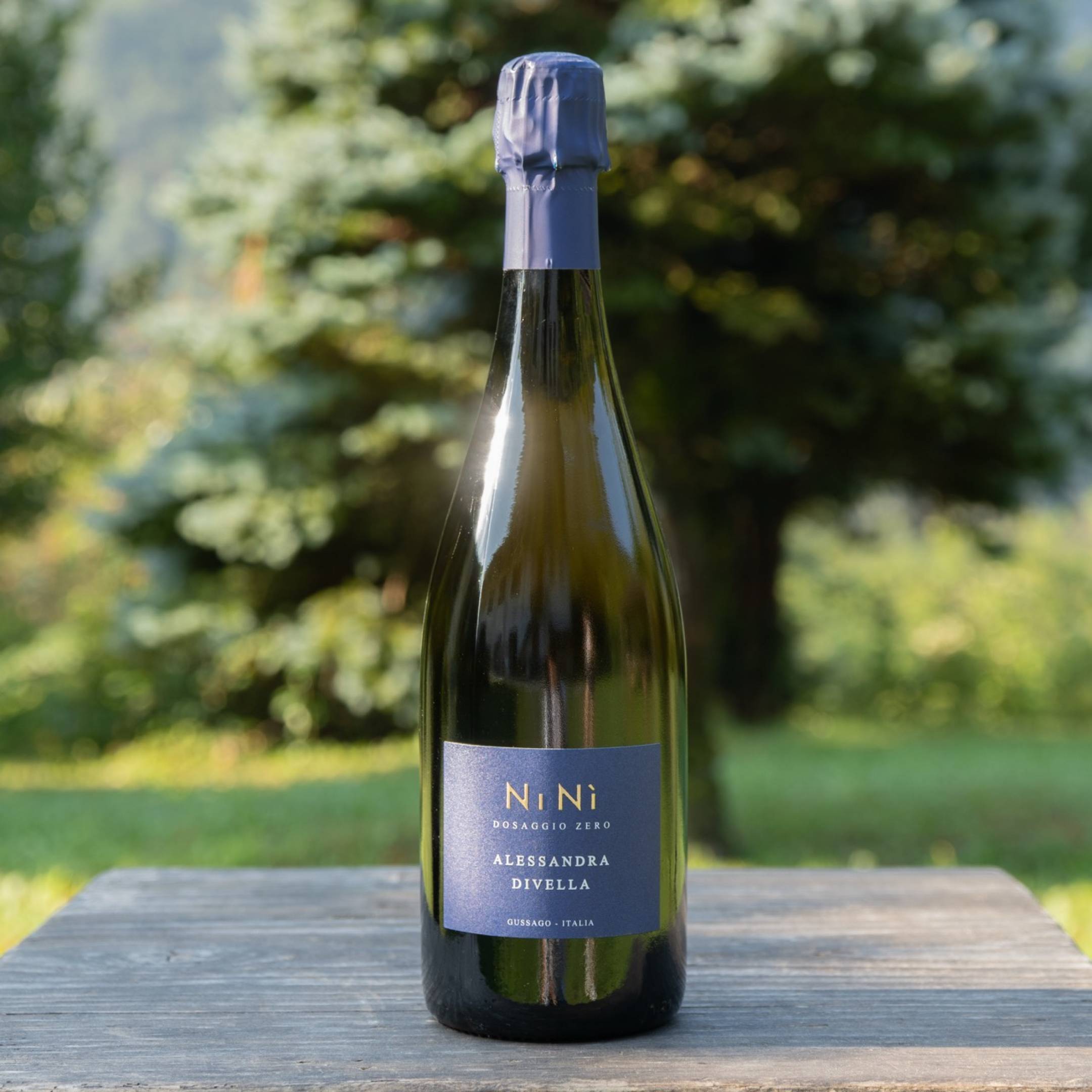
Ninì
For: lovers of sparkling wines with character.
What it is: Chardonnay and Pinot Noir vinified separately, with reserve wines.
Palate: structure and depth.
The full story is in the Wild Vigneron podcast on Spotify. All of Alessandra's wines are on her producer page.