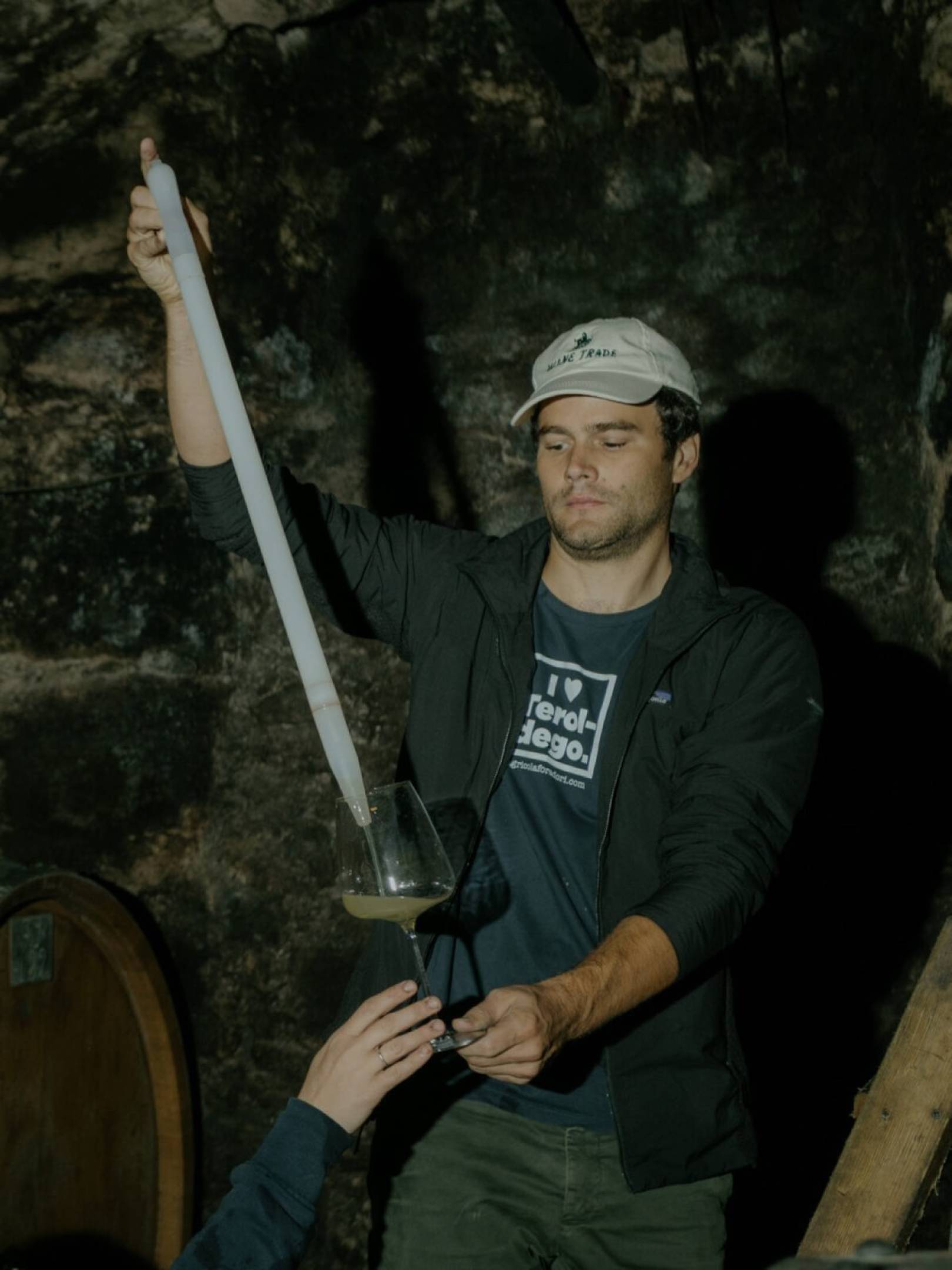
Emilio Foradori on family, amphorae, Monte Baldo basalt and the Teroldego children grown from seed.
Foradori: Teroldego reborn through amphorae, basalt and seeds
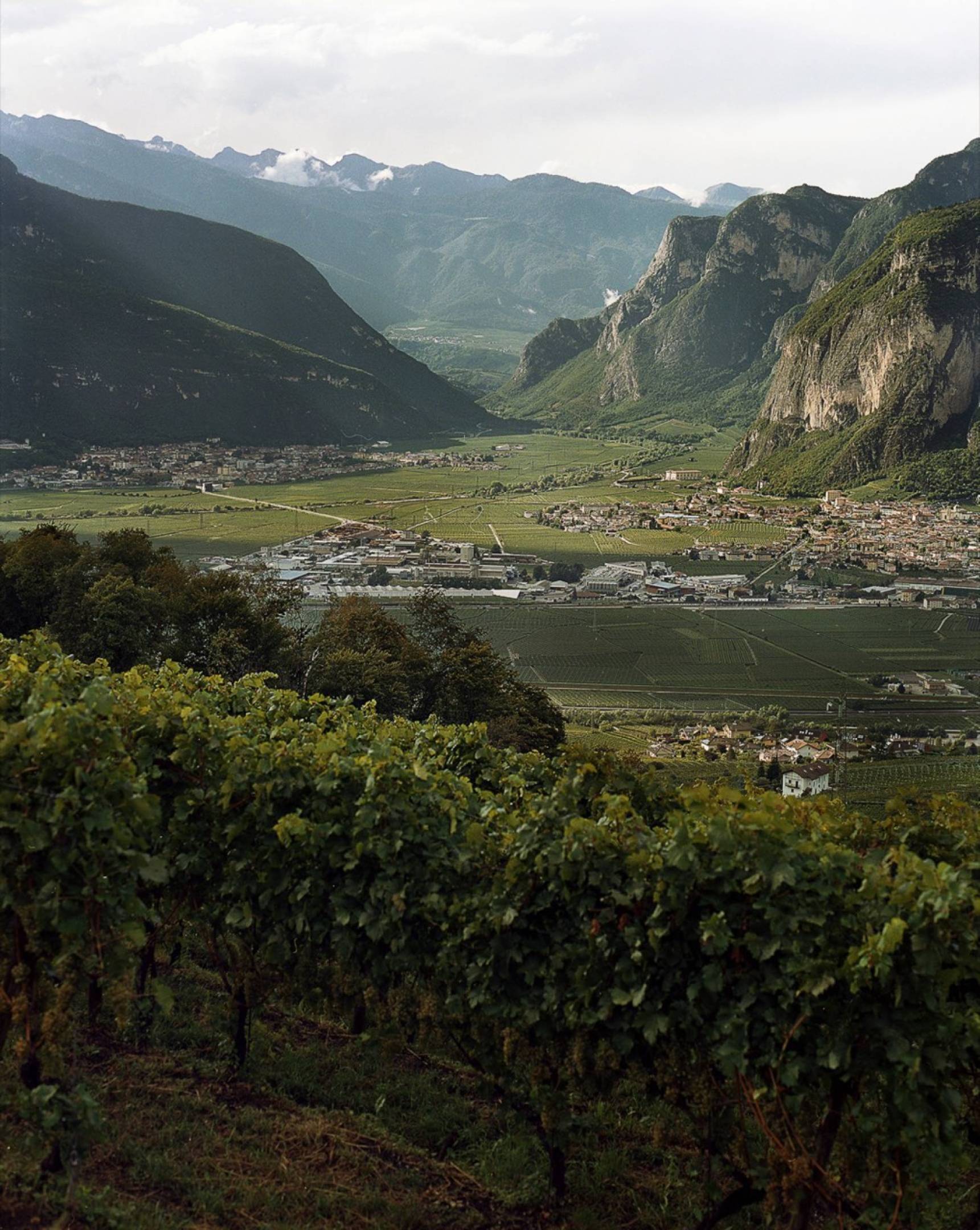
In Mezzolombardo, in the Piana Rotaliana, Teroldego is at home. Foradori is the winery that brought it back to the centre. For the new episode of the Wild Vigneron podcast we sat on a bench in the woods with Emilio Foradori and a row of open bottles.

Four partners, four characters
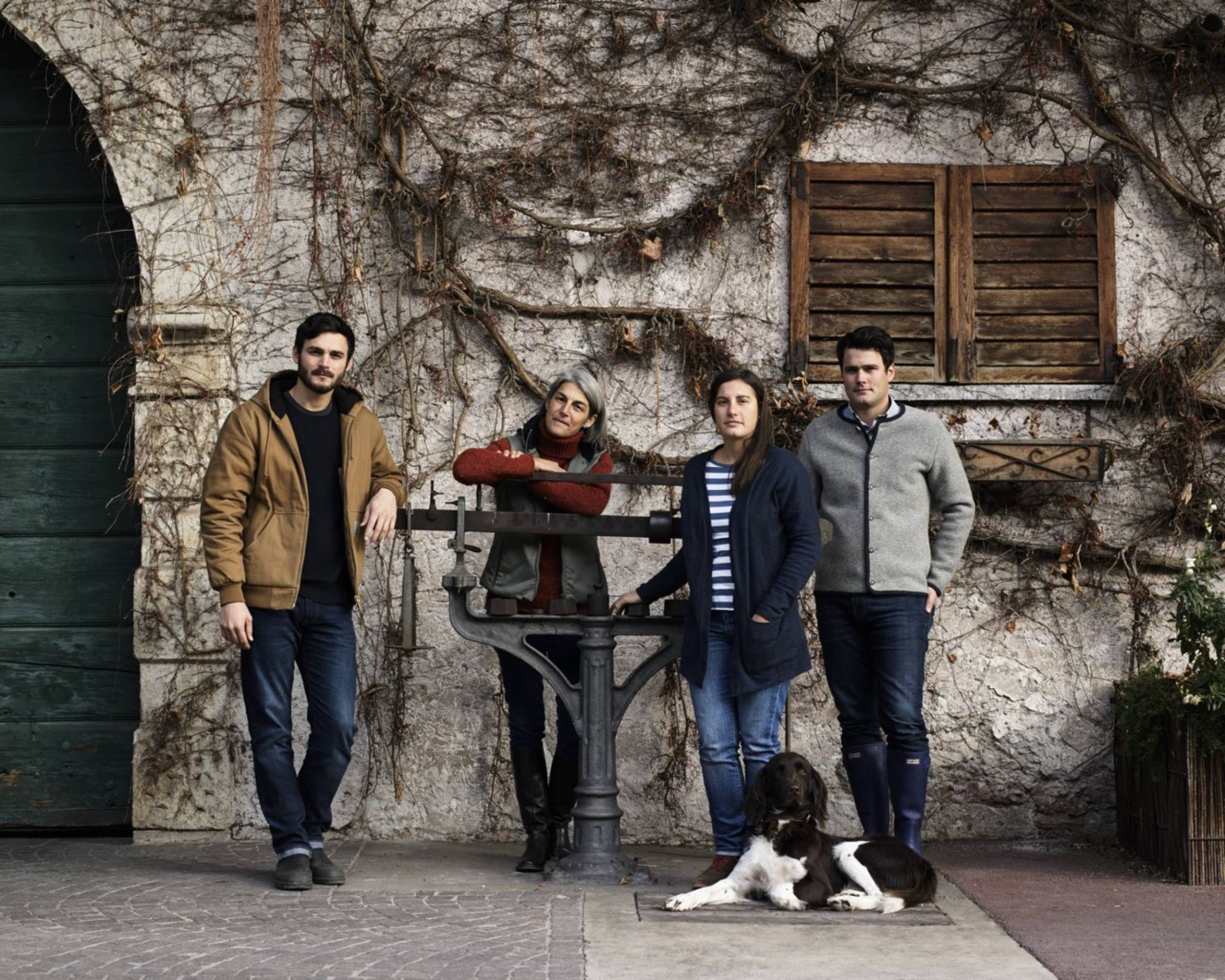
"Diversity is our strength." There are four of them at the winery: his mother Elisabetta, "a visionary who goes beyond all of us"; his brother, who lives to understand the meaning of things; his sister, as hands-on as a Swabian housewife; and Emilio, who calls himself a doer. Yorgo and Viti da Seme were born this way: experiments, or rather Elisabetta's visions, which her children decided to bottle and share instead of keeping them for tastings at home.
From philosophy to the cellar
Emilio wanted to teach philosophy. He studied in Tübingen, where two centuries ago Hegel, Schelling and Hölderlin shared a room, then realised he needed to work with his hands. Harvests in Bordeaux, Patagonia and Montalcino, oenology in Montpellier. In 2013 he came home and his mother handed him the keys: "now you make the wines." He made the first two vintages a bit by copy and paste, so as not to get it wrong; from 2015 things got serious.
Grapes and a little sulphur, spontaneous fermentations. The risk is high and Emilio doesn't hide it: many trials don't work out, and the best wines come from those mistakes.

Amphora, a snapshot of the vineyard
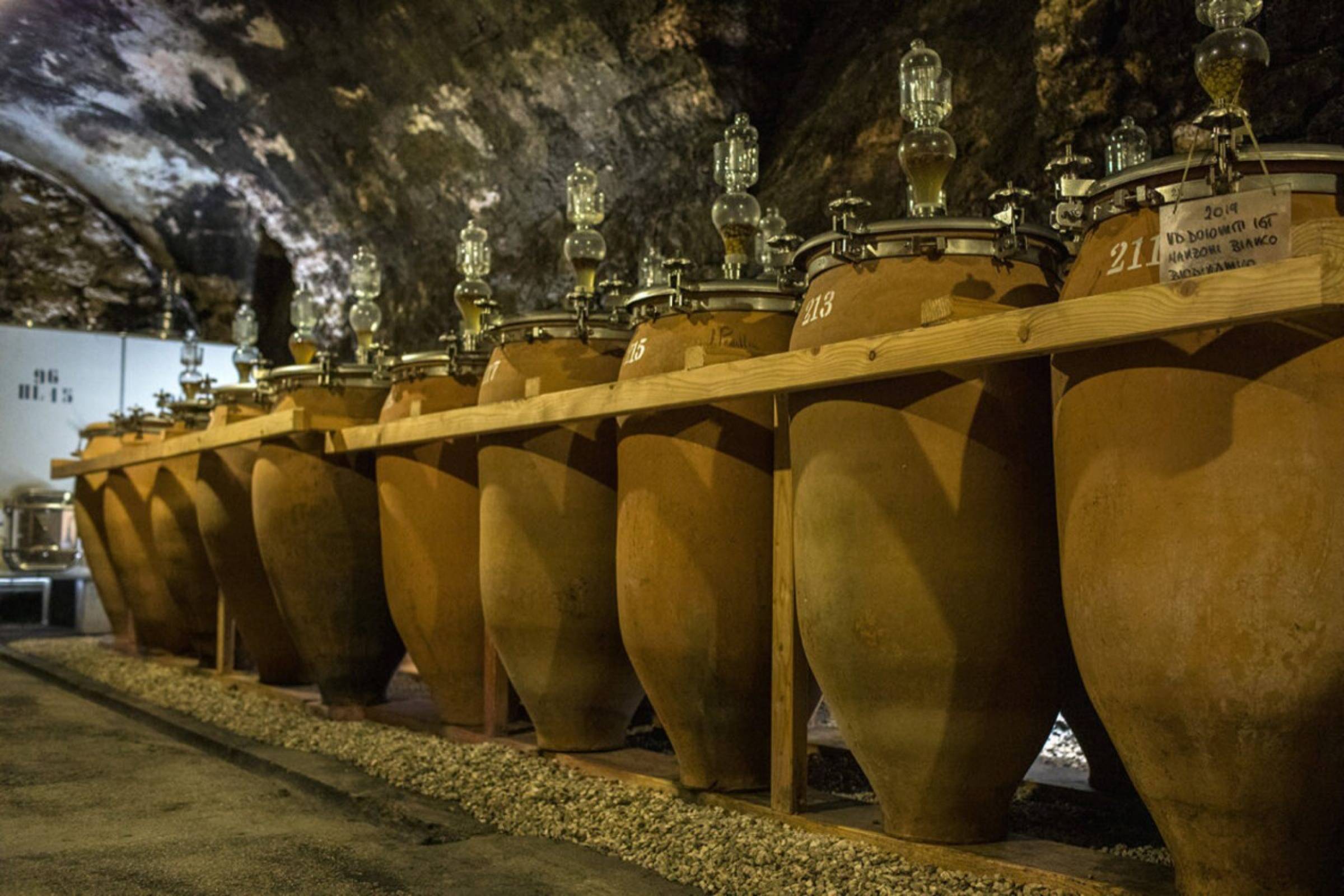
In 2009 Elisabetta wanted to ferment Nosiola, Trentino's only native white grape, on its skins. She looked for a vessel that could breathe and give nothing to the wine: no vanillin, no tannins. She didn't start with one amphora, she bought twenty-five. Over time the family realised the amphora tells more about the place than the grape: the purity of that vineyard in that vintage. Then came Spanish tinajas and long ageing without skins.
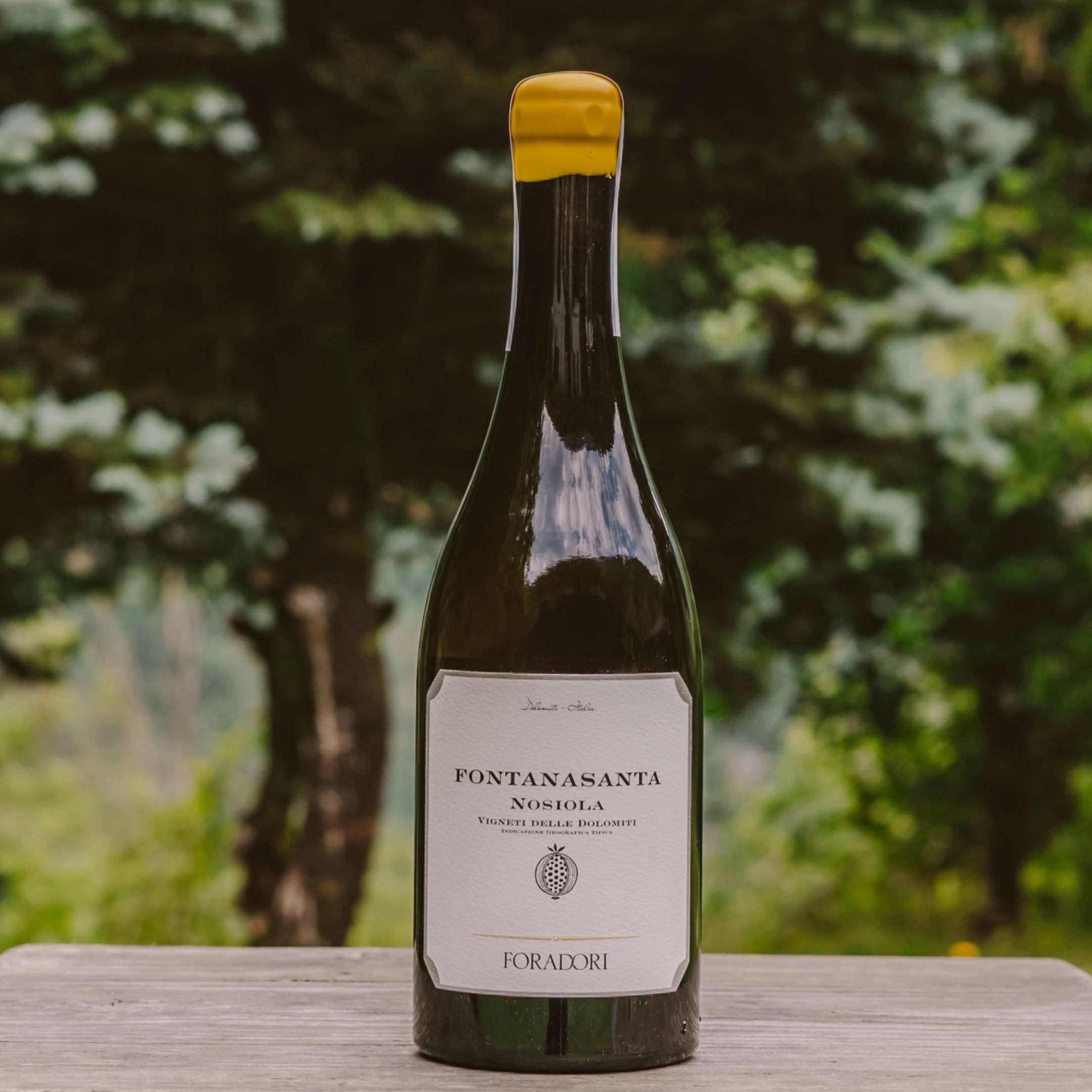
Fontanasanta Nosiola 2021
Nose: mountain flowers and pasture; terpenes come with age.
Palate: fine and taut, austere and iodine-like in its youth.
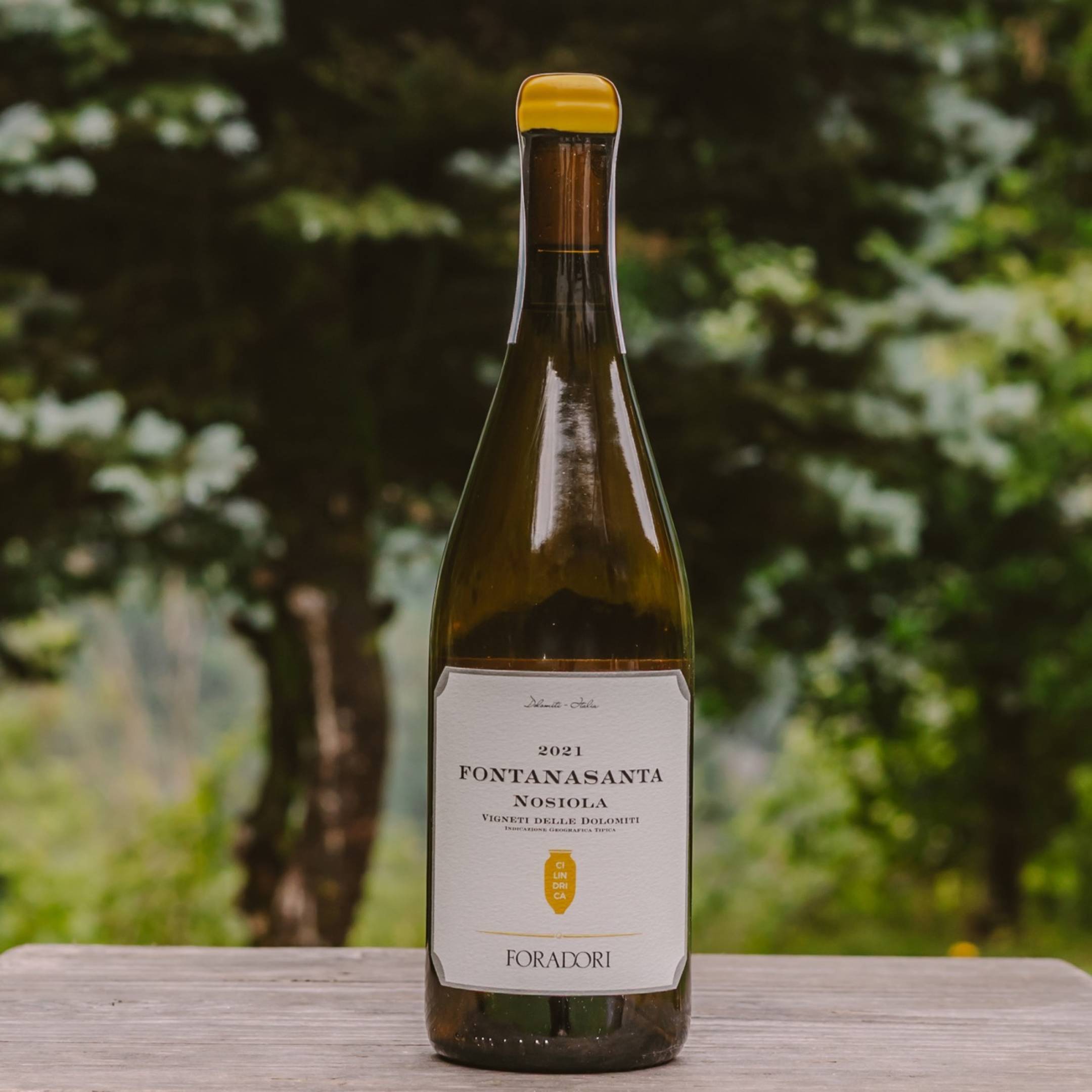
Fontanasanta Nosiola Cilindrica 2021
Nose: dry spice, mountain herbs, bitter almond, stone.
Palate: tactile oiliness, a long, saline finish. Sharper and finer than the classic.

Manzoni Bianco on basalt
On Monte Baldo, at 613 metres, in the municipality of Brentonico, there was a grazing meadow. His mother and brother said to leave it to the cows. Emilio dug and found black stones: basalt. He immediately thought of Bürklin-Wolf's Pechstein, the great Pfalz Riesling grown on basalt, and planted Incrocio Manzoni, a child of Riesling. The vineyard is called Prato Bagnato, the wet meadow.
The wine in the glass comes from a two-year-old vineyard and, tasted blind, feels like old vines: pH 3.1 with malolactic done, 12% alcohol. "Ten years ago nothing would have ripened there."
The Prato Bagnato Manzoni is still very young. In the shop you'll find the Manzoni Bianco from Fontanasanta, on the hills above Trento at 400 metres:
Foradori Manzoni Bianco 2024
Nose: floral, apple, pear, citrus.
Palate: straight acidity and vertical development; with a few years the sharp Riesling minerality comes through.
A Chardonnay under veil
An old Chardonnay vineyard taken on during Covid, a barrel left without topping up, and a veil forms on top. Usually that means vinegar; here the volatile acidity didn't rise. With the help of barrels from Sanlúcar and the Jura, the veil came back. This is Miko, a delicate alpine flor, perhaps the first sous voile wine ever made in Trentino (currently sold out).

Teroldego's children
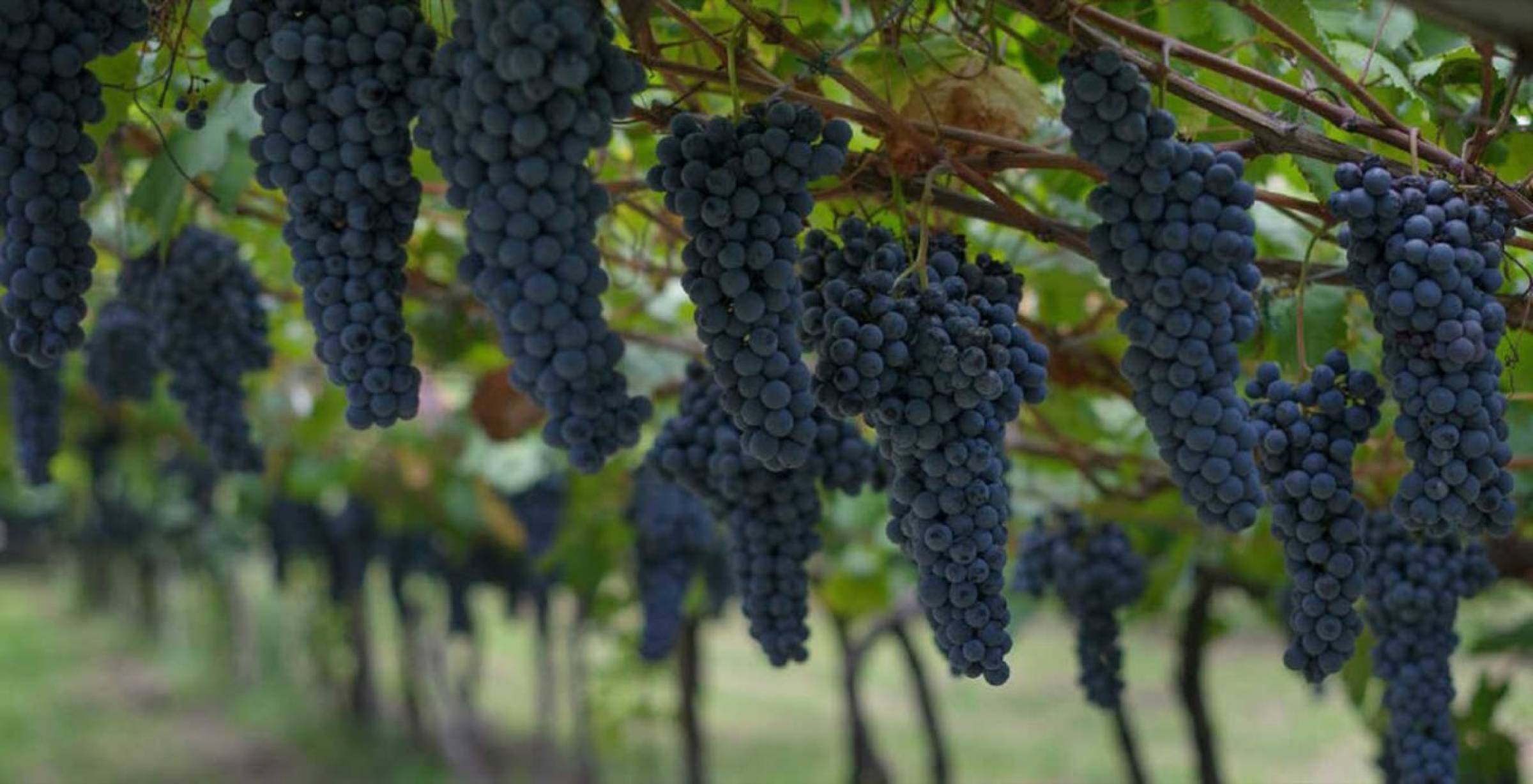
Vines have always been planted from cuttings: every plant is a copy of its mother. In the '90s Elisabetta planted Teroldego seeds instead. The plants that grew are all different: 80% red, some white, some amber. Harvested and vinified together they become Viti da Seme. It's also an answer to a serious problem: today almost the whole Piana is planted with a single commercial Teroldego clone.
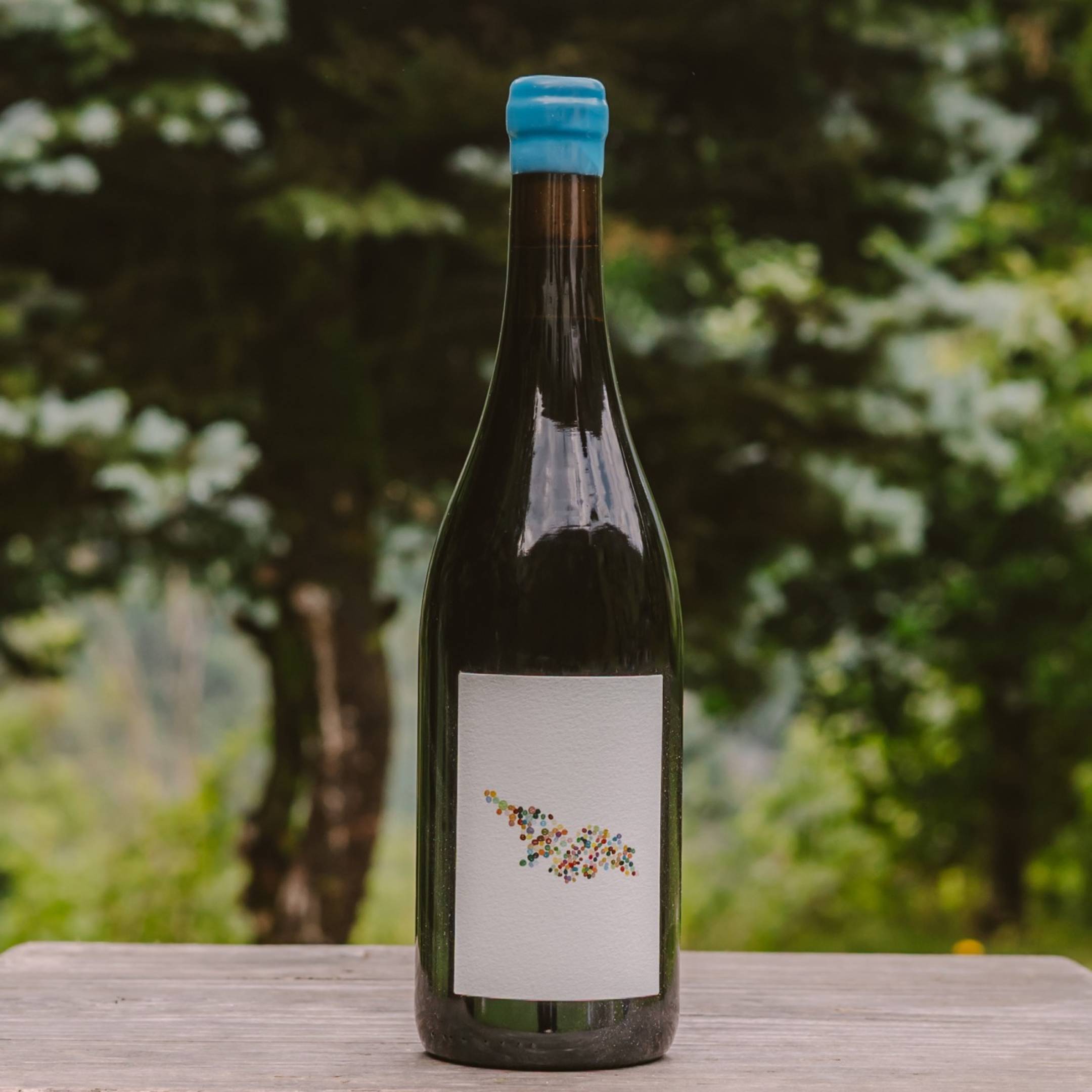
Yorgo comes from the same idea of protecting diversity. With Attilio Scienza, Elisabetta planted a collection of Georgian grape varieties: Georgia is the country with the most grape varieties in the world, where wine was born. Two or three hundred bottles a year, a tribute to that culture brought to the Alps.

Viti da Seme
Nose: raspberry, cherry, violet.
Palate: rustic and lively, with a clean, almondy finish.

Tutti Frutti, from Monte Baldo
Monte Baldo covers 0.2% of the Alps but hosts 43% of their plant species. From a mixed vineyard of Schiava, Lambrusca a foglia frastagliata, Padovana and Rossara comes Tutti Frutti, a dark, deep alpine red made to age (the 2024 vintage is sold out).
Listen to the interview
The full story is in the new episode of the Wild Vigneron podcast on Spotify. You'll find all the winery's wines on the Foradori page.