
From Alain Chapel's three-star kitchen to four hectares of granite between Chiroubles and Fleurie.
Domaine Chapel: from a three-star kitchen to a vineyard worked by hand
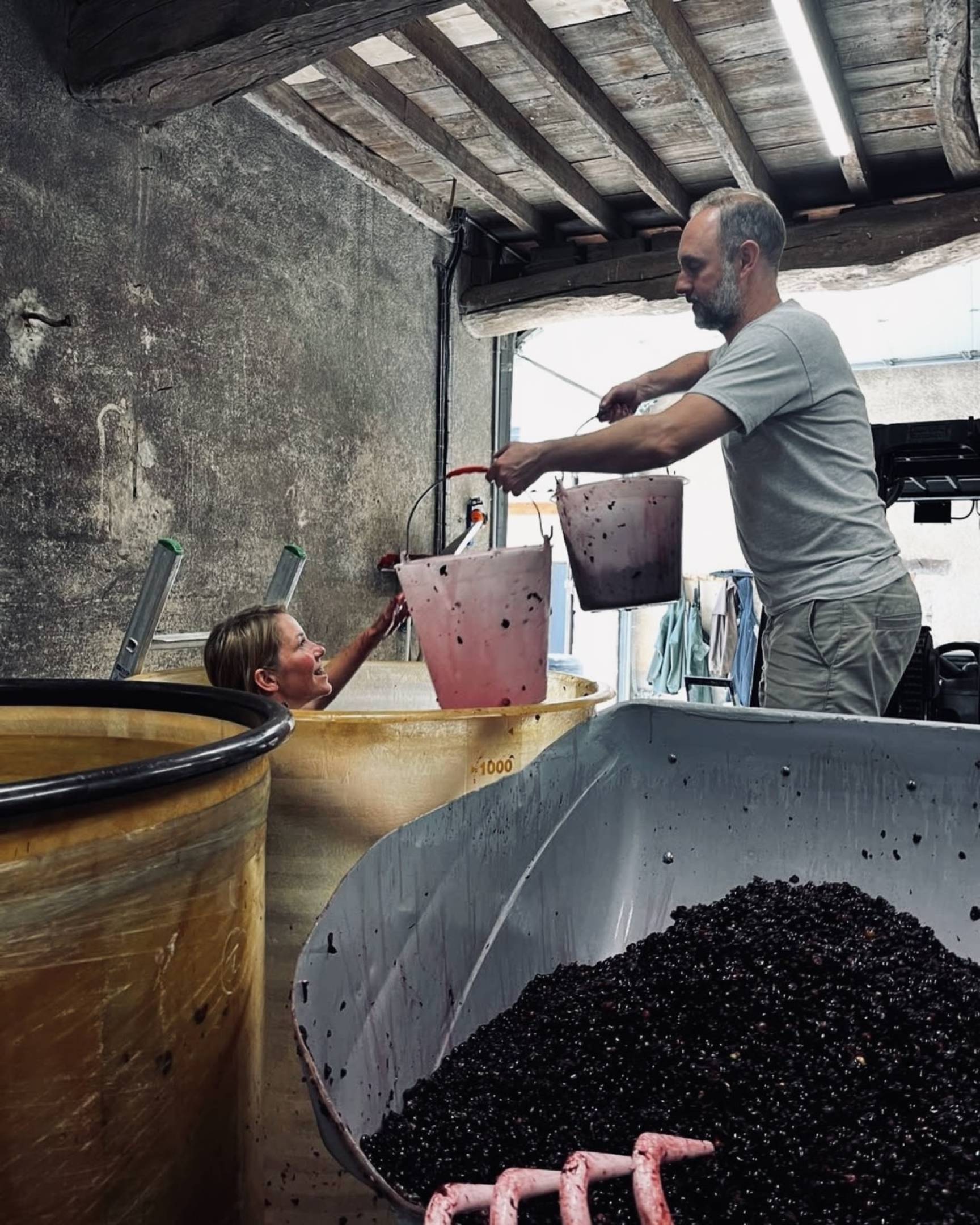
A restaurant in Mionnay with three Michelin stars, where winegrowers sat at the table like old family friends. Then four hectares of granite between Chiroubles and Fleurie, a horse called Quadrille, sheep grazing between the rows in winter. David Chapel and Michele Smith came through all of this to arrive at a Gamay that tastes of earth and of the table, of hard work and good conversation.
Discover the wines of Domaine Chapel →
The chef's son who chose the vineyard
Above the kitchen: David Chapel's childhood
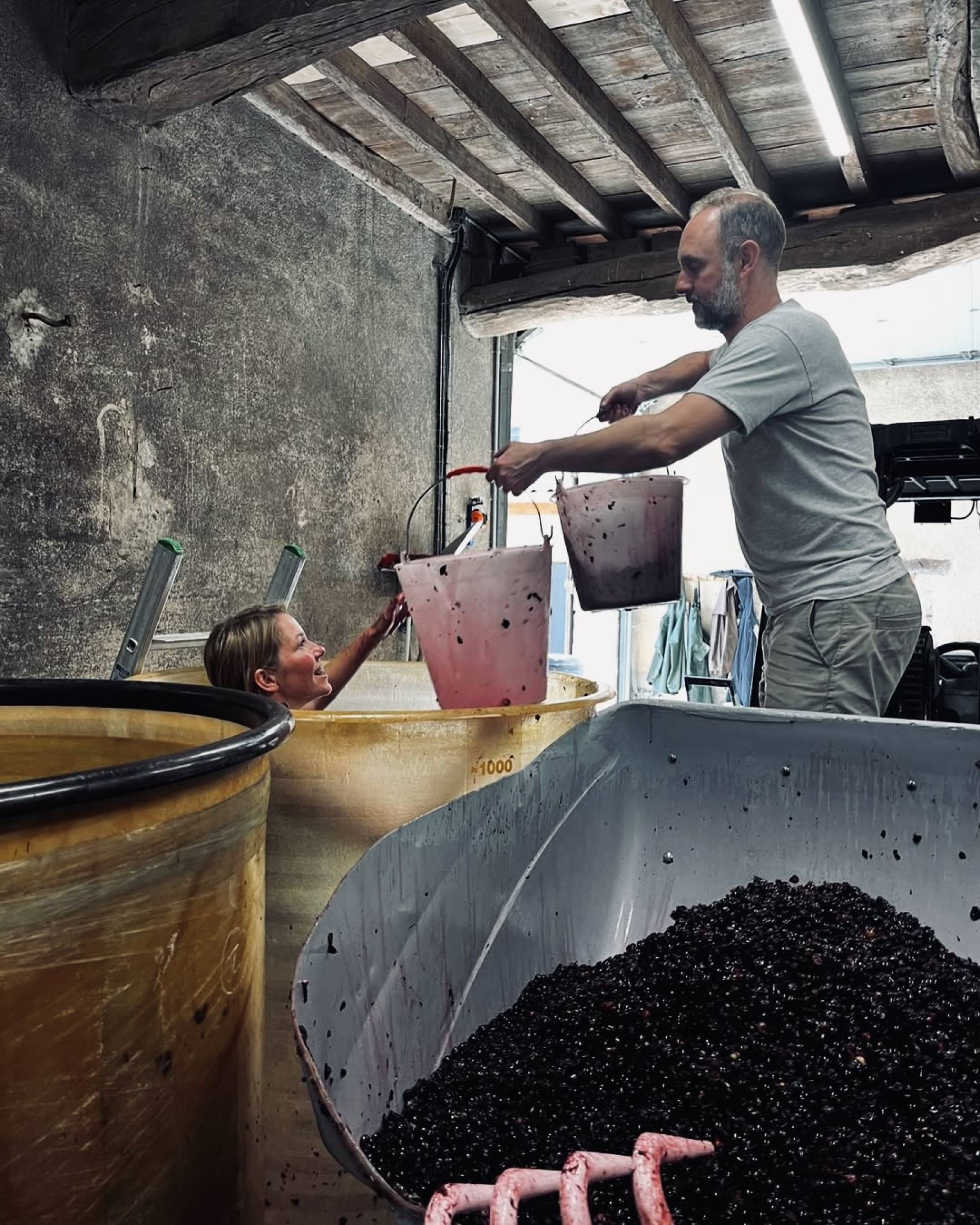
David Chapel is the eldest son of Alain Chapel, the Lyonnais chef regarded as one of the founders of nouvelle cuisine, who in 1973 earned three Michelin stars for the family restaurant in Mionnay, in the Ain. David grew up right above that kitchen, surrounded from childhood by the winegrowers his father invited to dinner: among the family friends, sources mention Marcel Lapierre, Pierre Overnoy and Jean-Louis Chave.
The wine lists of those years were handwritten by his grandmother Eva. On those pen-written lines appeared names like Henri Jayer, Domaine Leflaive and Comtes Lafon, alongside Overnoy, Lapierre and Chave. His craft was born there, between the kitchen, the dining room and the cellar, long before the vineyard.
A late appointment: meeting in Morgon
In 2013 David was working in the vineyard and cellar at Domaine Lapierre, in Villié-Morgon. Michele Smith, an American, was in France for about ten days of winery visits. She came from New York, where she had been wine director and dining room manager at Chef's Table at Brooklyn Fare, Brooklyn's three-Michelin-star restaurant.
She had an appointment at Lapierre, but a travel mishap made her late. Mathieu Lapierre wasn't there, so David welcomed her instead: he took her for a bite to eat in the village and led her through the tasting. They have been together ever since. A month later David moved to New York. Two years after that, in 2015, they came back to Beaujolais together. French sources call it a coup de foudre.
From the first wine to the house in Régnié: 2016, 2017, 2018
The first vintage was 2016: a Juliénas «Côte de Bessay», vinified by Mathieu and Camille Lapierre while David and Michele were looking for a cellar of their own. In 2017 they found the house and cellars in Régnié-Durette. In 2018 came the first two cuvées from their own vines: a Fleurie and a Chiroubles. Today the domaine farms around four hectares of Gamay across the two crus.
Granite, a horse, sheep: how the wine is made
In the vineyard: hand to hand with the soil
The vines grow on the granite slopes of Chiroubles and Fleurie, often isolated in the woods, densely planted and bush-trained (gobelet). Steep slopes, almost all work done by hand. The farming is agroecological, organic but not certified: no herbicides, no synthetic products. The soil is worked by hand or with a winch plough, and in some spots Quadrille, a horse belonging to a local farmer, comes in. After harvest and through the winter, sheep graze between the rows. Fruit trees grow among the vines and cover crops rotate with the seasons: biodiversity and fertility, in land worn down by an industrial past.
The work is hard, but the idea is simple: bring life back to the soil.
The places: Charbonnières and the others
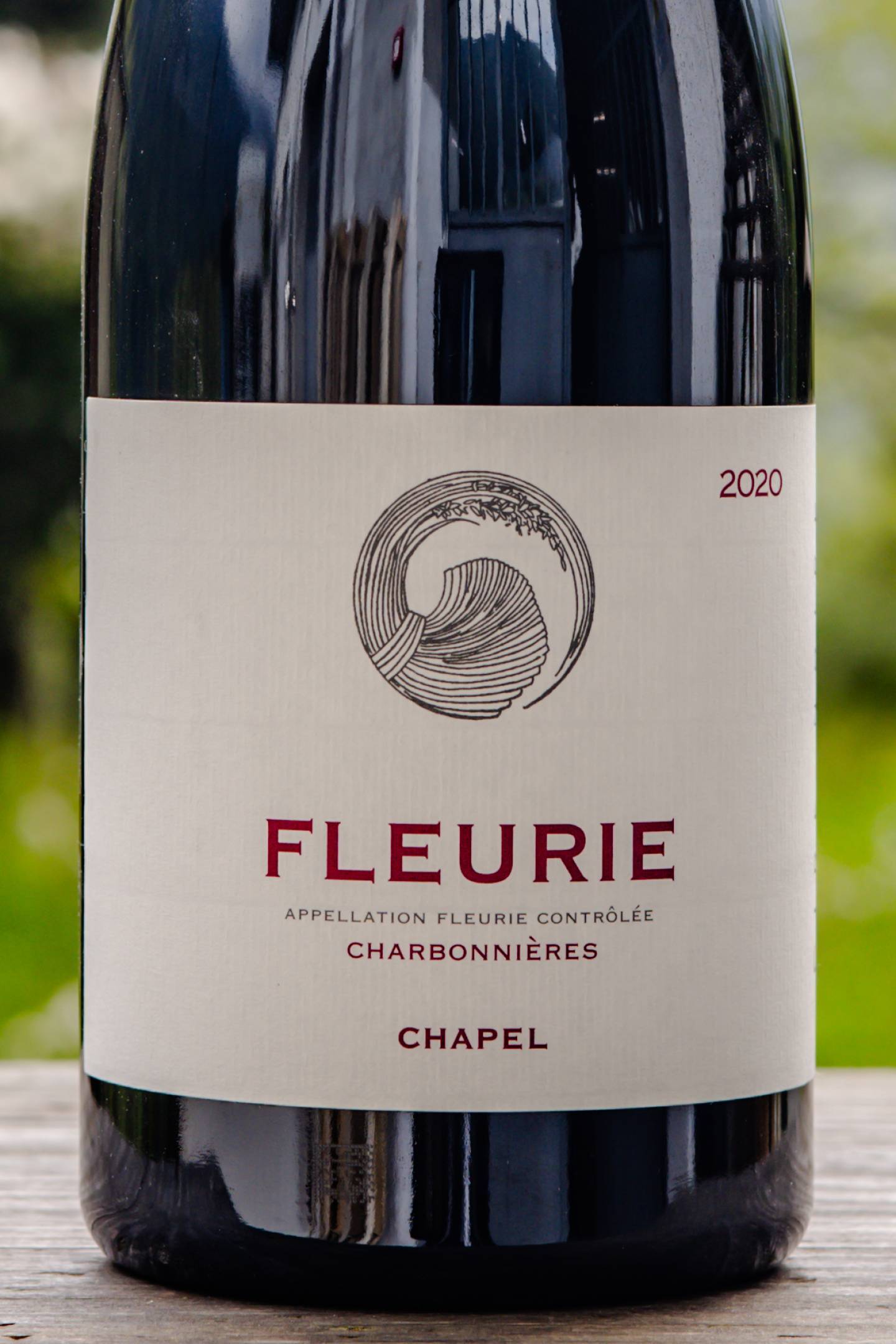
The signature plot is Charbonnières, in Fleurie: about 1.2 hectares at 460 metres, in an amphitheatre of granite and sand behind the Madone chapel, among the acacias. Vines from 35 to over 60 years old on granitic sand, farmed organically for more than twenty years. Chiroubles, one of the highest crus in Beaujolais, gives silky, mineral wines. The Aligoté, the only white in the range, grows on limestone marl.
In the cellar: add nothing, take nothing away
The Gamay goes in as whole bunches and ferments with native yeasts in semi-carbonic maceration, with no punch-downs or pump-overs. Ageing takes place in neutral vessels: fibreglass, stone, concrete, foudres, old barriques. No filtration, no fining. No sulphites during vinification, only minimal doses before bottling. Every cuvée is tasted every day to choose the exact moment for pressing.
Alongside the domaine wines there is a separate label, Smith-Chapel, made from grapes bought from organic growers in Beaujolais and the neighbouring Mâconnais. The Juliénas Vayolette in our shop is listed under Domaine Chapel, but some importers attribute it to Smith-Chapel: we mention it because transparency is part of the job.
Domaine Chapel wines on Ferdy Wild

Beaujolais: 100% Gamay, 12%, semi-carbonic maceration and spontaneous fermentation. Fresh and juicy, with raspberry, cherry and gentle spice. Silky tannins, easy and clean to drink. Beaujolais as it should be: simple, but never banal.

Bourgogne Aligoté 2024: 100% Aligoté, 12%. Natural fermentation, aged on fine lees in steel and old barriques. Taut and vibrant: green apple, citrus, a subtle smoky note, a straight, mineral finish. A no-frills Aligoté, in its most nervy form.

Juliénas Vayolette: 100% Gamay, 13%. Whole-bunch maceration, spontaneous fermentation, aged in foudres. Juicy and spicy, with ripe red fruit, black pepper and violet. Real structure and a long finish: the gateway to the more structured side of Beaujolais.

For the patient, there are the Fleuries, currently sold out while we wait for new allocations: Fleurie Charbonnières, the domaine's signature wine, with dark fruit, violets and elegant tannins; Fleurie Charbonniers La Face Nord, darker and more serious, with blackberry, graphite and forest floor; Cire Noire Magnum, a cuvée released only once, in 2020, with black wax on the neck. The Chiroubles is sold out too: silky and flowing, a vin de soif with a straight back.
Why Domaine Chapel
Choosing Domaine Chapel means believing that a good wine is born from the slow step of a horse, from a sheep grazing the grass between the rows, from a tasting done every day with the same patience. It means understanding that a true table isn't set with reassuring names, but with the people who stay and work the land. Authenticity isn't a souvenir: it's work you start again every morning.