Sylvain Pataille: the oenologist who went back to Marsannay to give his land its voice back
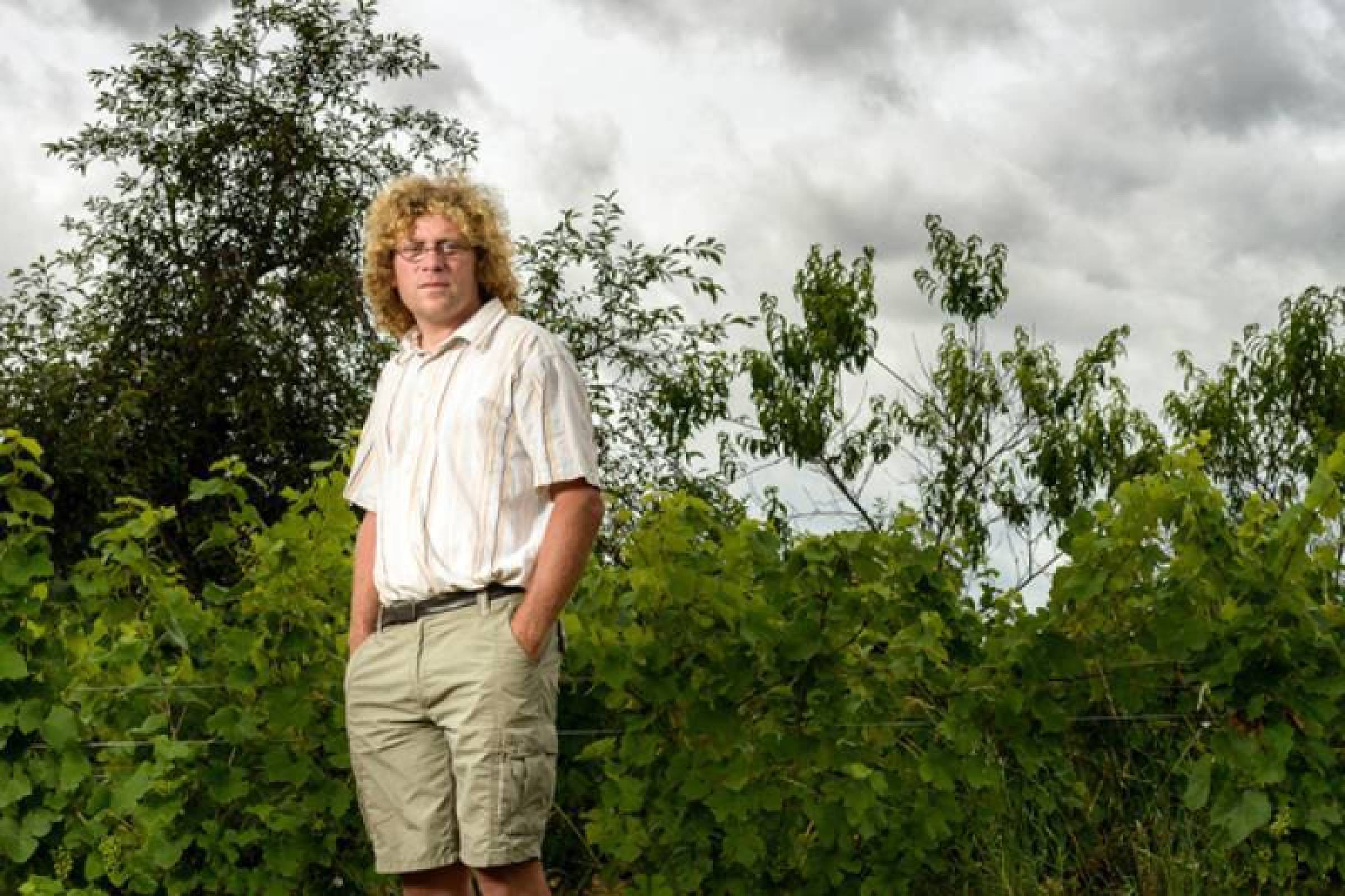
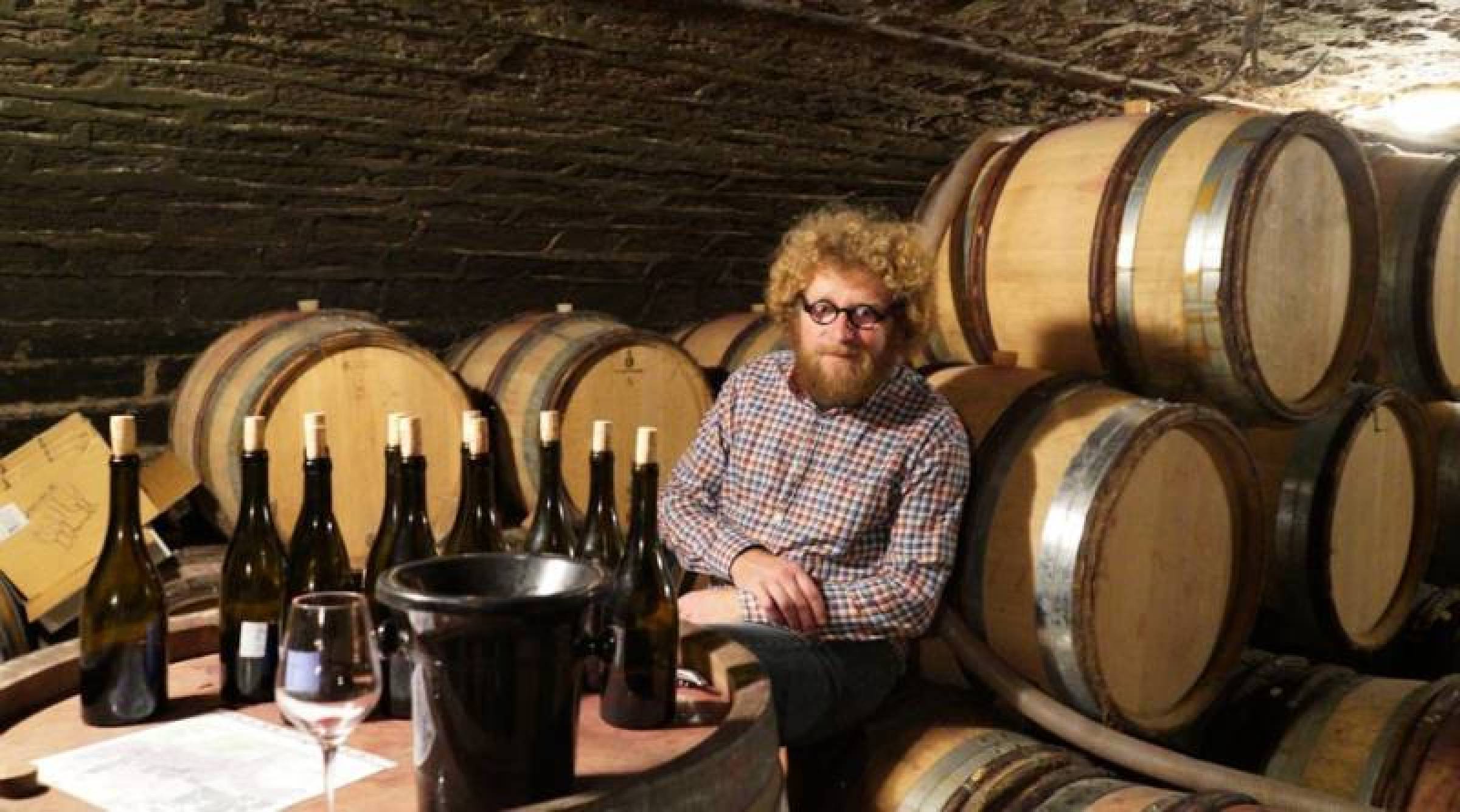
Marsannay is the last breath of the Côte de Nuits before the city of Dijon swallows the fields. For years it was treated as the gateway to Burgundy, good for easy wines. Then came an oenologist with a farmer’s hands, a single hectare and one precise stubbornness: to prove that this land could say more. His name is Sylvain Pataille.
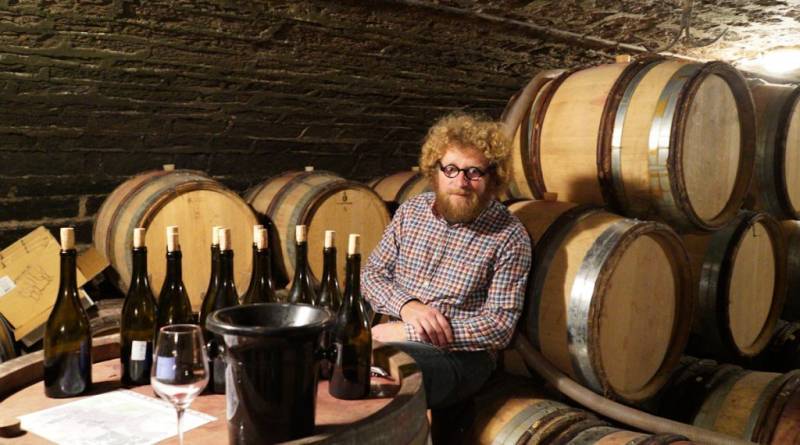
From the laboratory to the vineyard: the story of a return
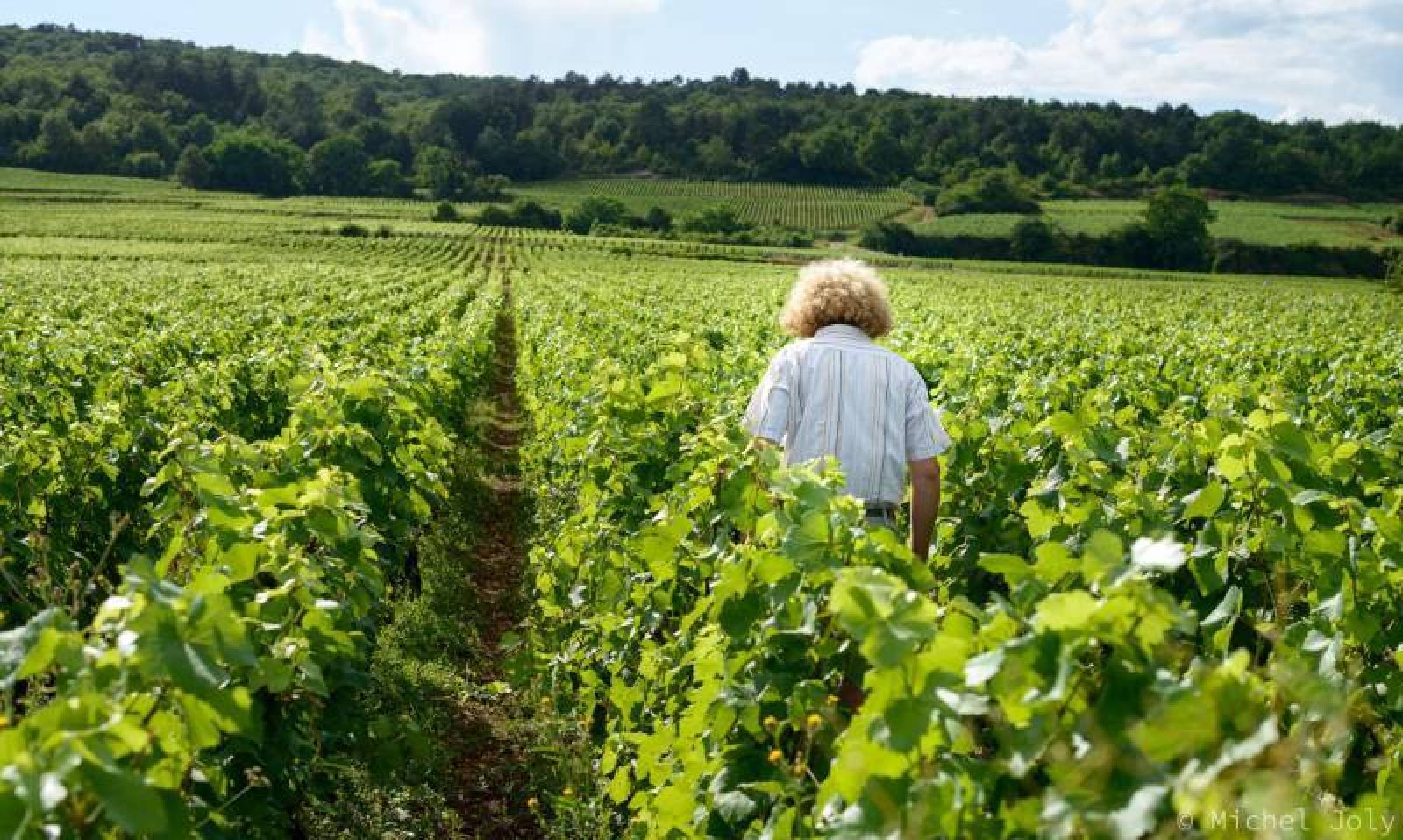
For Sylvain, the vineyard was first of all the place to play. His father, a bus driver, was a friend of Jean Fournier, one of the historic names of Marsannay, and on pruning and harvest days he brought along his two sons, Sylvain and Laurent. Hands in the soil, since childhood.
Then came the path of knowledge: he studied oenology in Bordeaux and worked as an oenologist in a laboratory in Beaune. That might have been enough. Instead, in 1999, while still in the laboratory, he founded his own domaine with a single hectare. From 2001 he devoted himself entirely to the vineyard. Today, together with his brother Laurent, he farms between 15 and 17 hectares around Marsannay.
His craft as an oenologist did not stay in a drawer: Sylvain has advised several domaines of the Côte, and this double life, the technician who can read a wine and the farmer who can read a vineyard, is the key to his precision.
Why he matters: a winegrower who changed how a village is seen
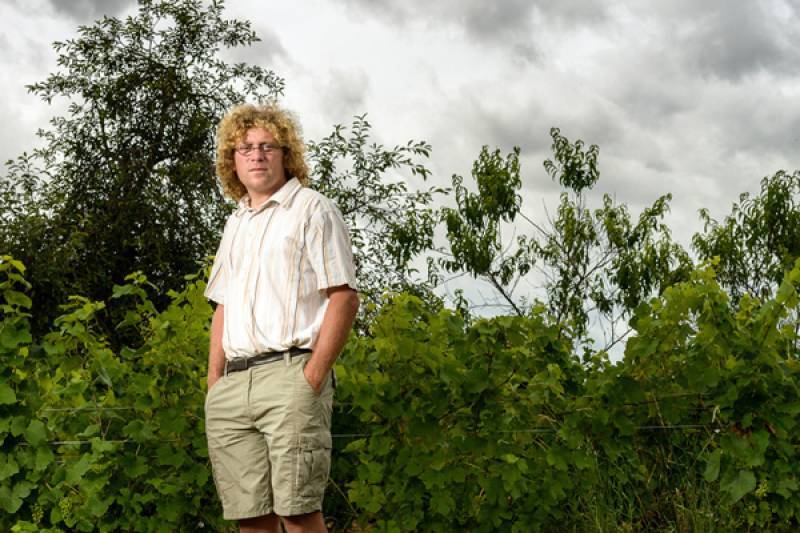
Pataille is considered one of the finest ambassadors of Marsannay, a vigneron whose work has raised both the quality and the image of the wines of his village. It is no small feat: Marsannay is the only village of the Côte d’Or that produces reds, whites and rosés under its own appellation, and for a long time it was overlooked precisely because it did not fit the usual patterns.
Sylvain did the opposite of what is done to sell: he sought out the best lieux-dits, vinified them one by one and told them for what they are. Together with his brother, he has long pushed for some of these terroirs to be recognised as premier cru.
Aligoté: the forgotten grape and a grandfather
In the years when the domaine was born, Aligoté was completely out of fashion. Sylvain has loved it since childhood, since the days he helped his grandfather tend a small parcel of old family vines. He still works that parcel today and named it Les Auvonnes au Pépé, “grandpa’s Auvonnes”. He became one of the first vignerons to seek out old vines of Aligoté Doré, the pre-clonal variety, in great rocky terroirs, and to treat them the way the great white wines of Burgundy are treated. The result is a vertical, tense Aligoté, far from the idea of a quick aperitif wine. It is his signature.
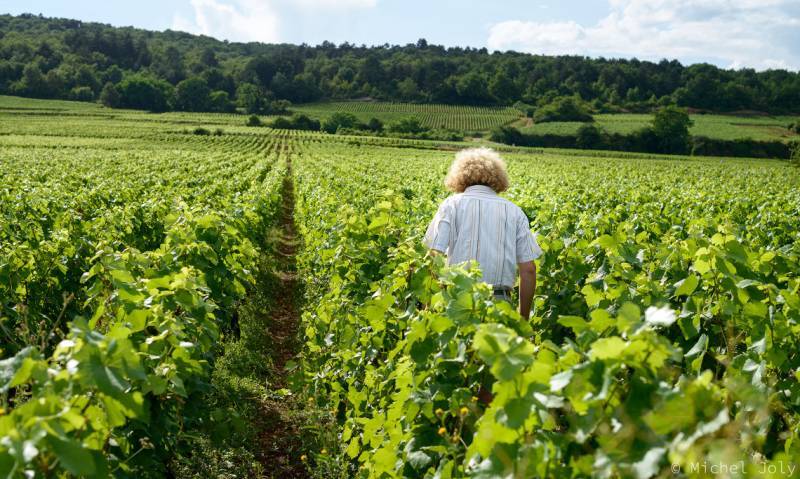
In the vineyard and in the cellar: patience and subtraction
The soils of Marsannay are a mosaic of limestone, clay and gravel. Sylvain works organically and, for new plantings, chooses massal selection, with cuttings from winegrowers such as Jean-Marc Roulot, and low-vigour rootstocks, never SO4. For the whites he mostly uses older 350-litre barrels. He bottles when the wine is ready, not when the calendar says so: a wait that costs money today, and that you can taste in the glass.
The wines in our selection: the latest arrivals
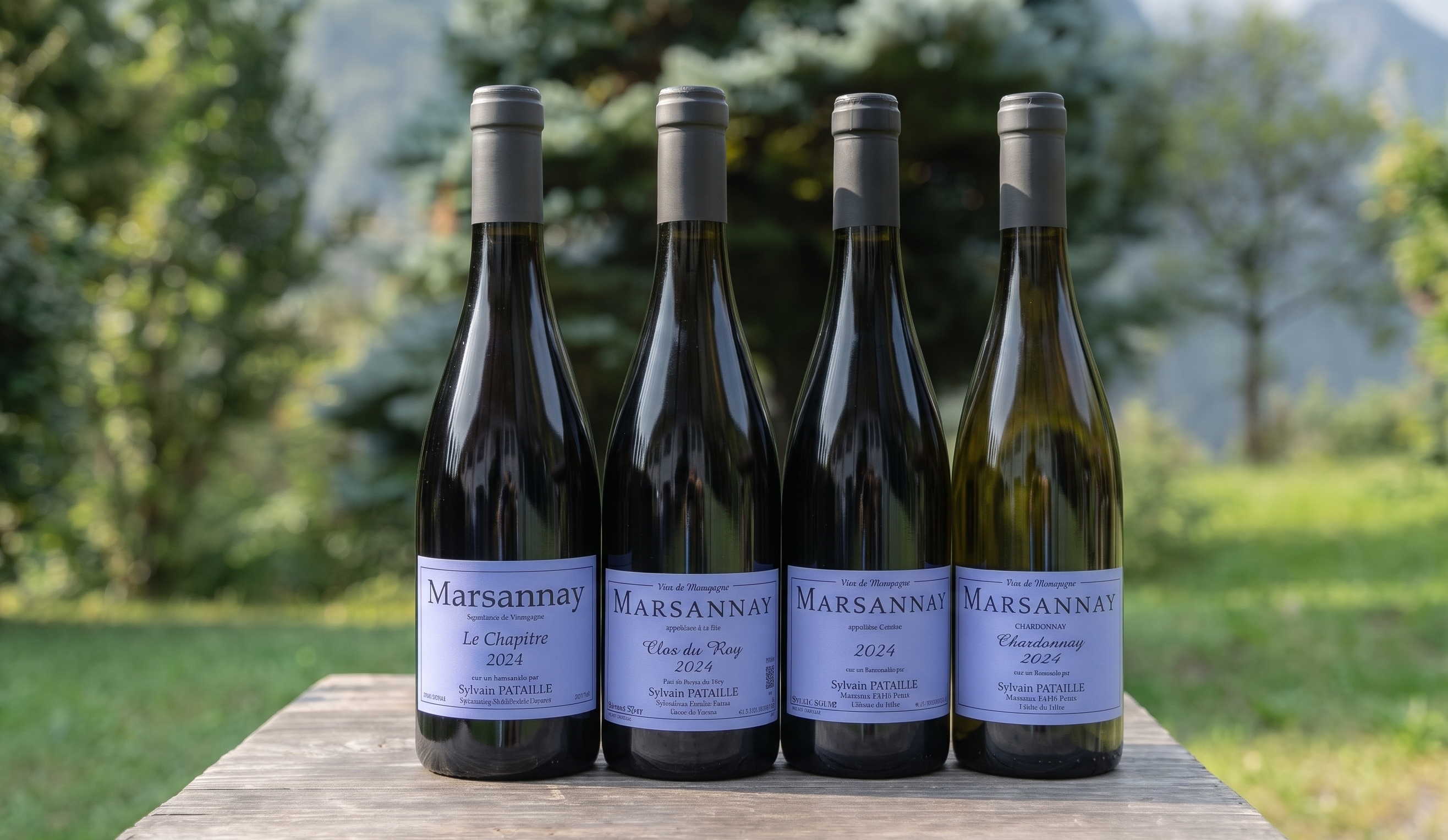
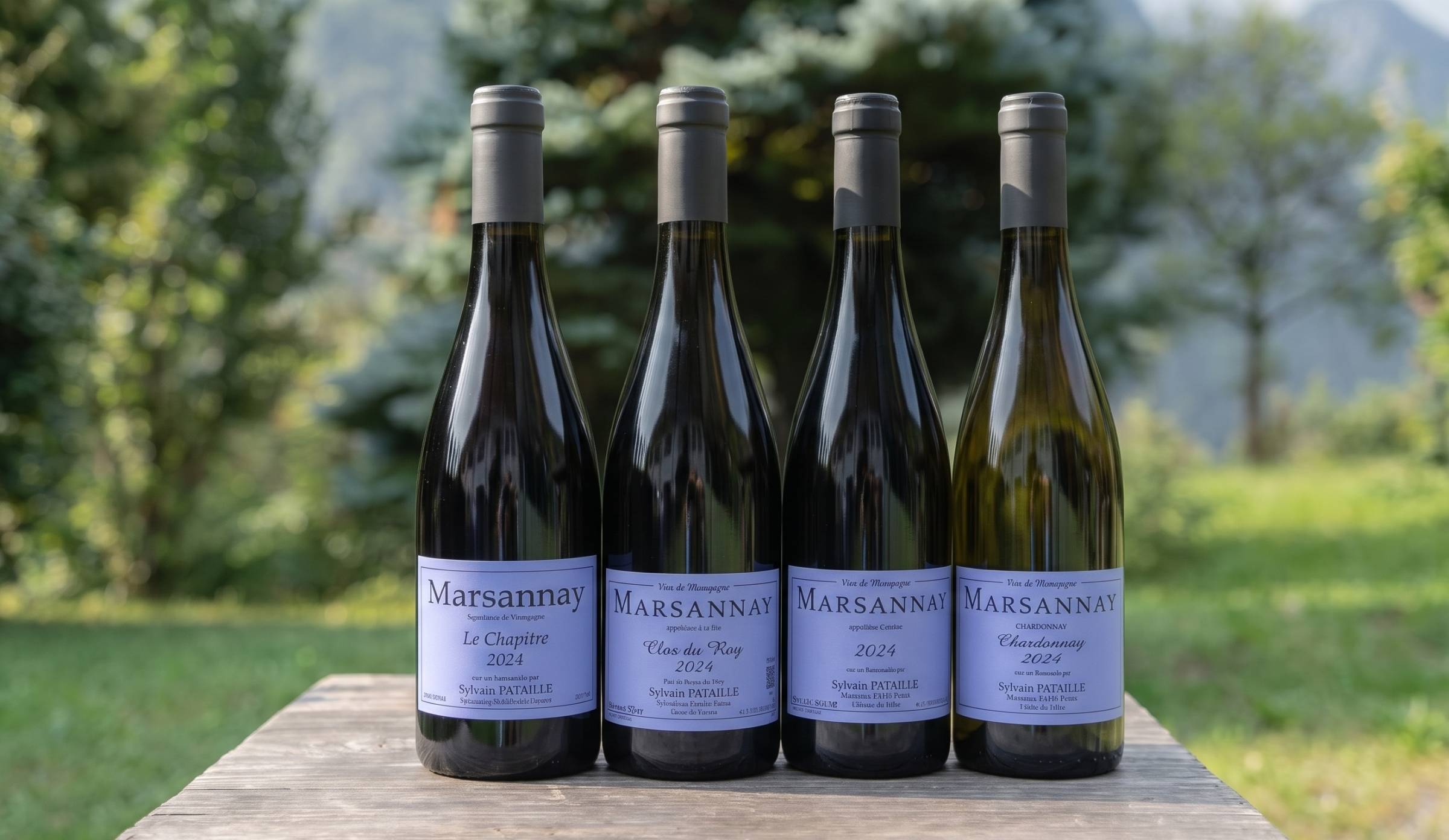
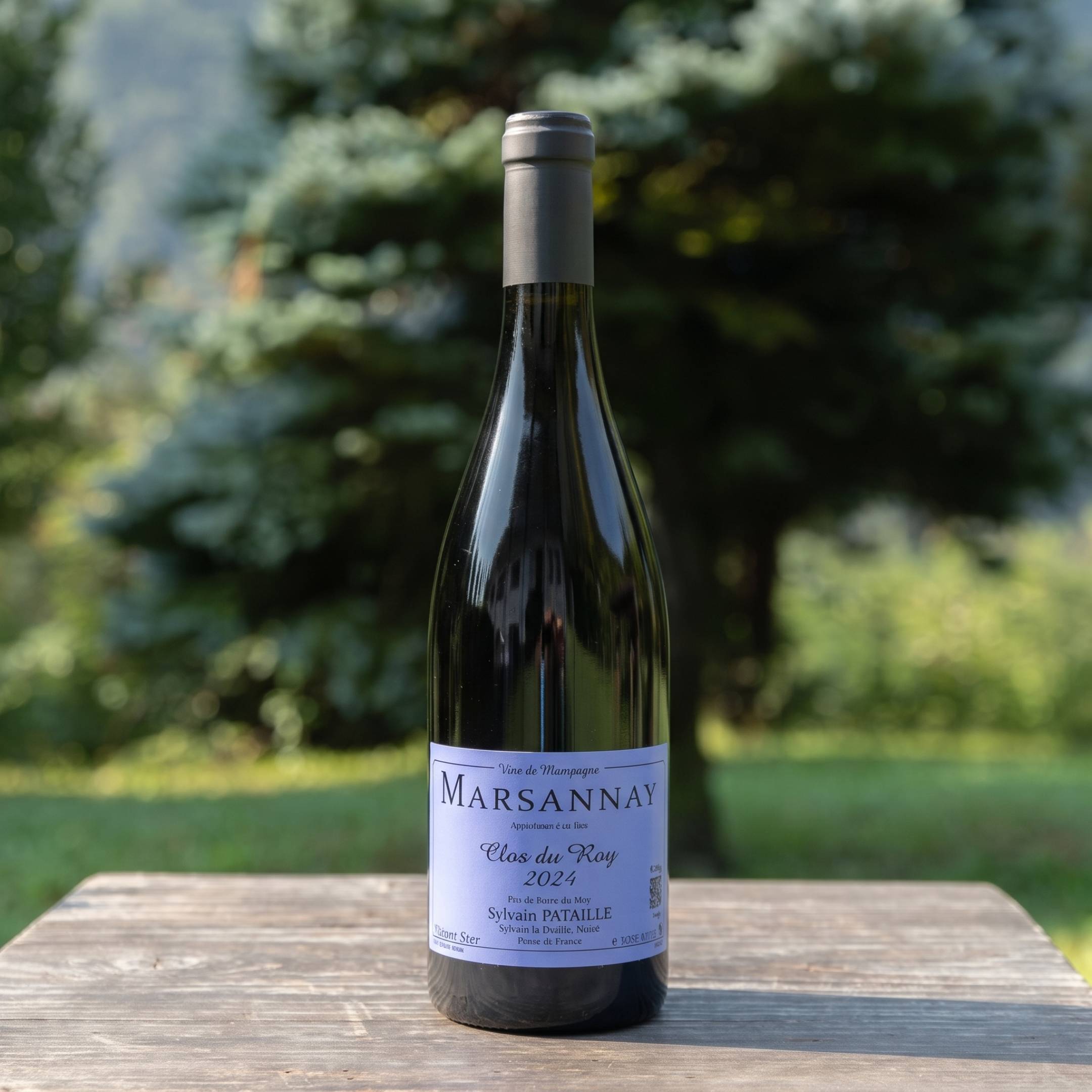
Marsannay Clos du Roy 2024. Pure Pinot Noir from a parcel in Chenôve, the northernmost lieu-dit of the appellation. It is the heart of the domaine: dark fruit, wild strawberry and a savoury, saline finish. [TO VERIFY on the 2024] Discover it →
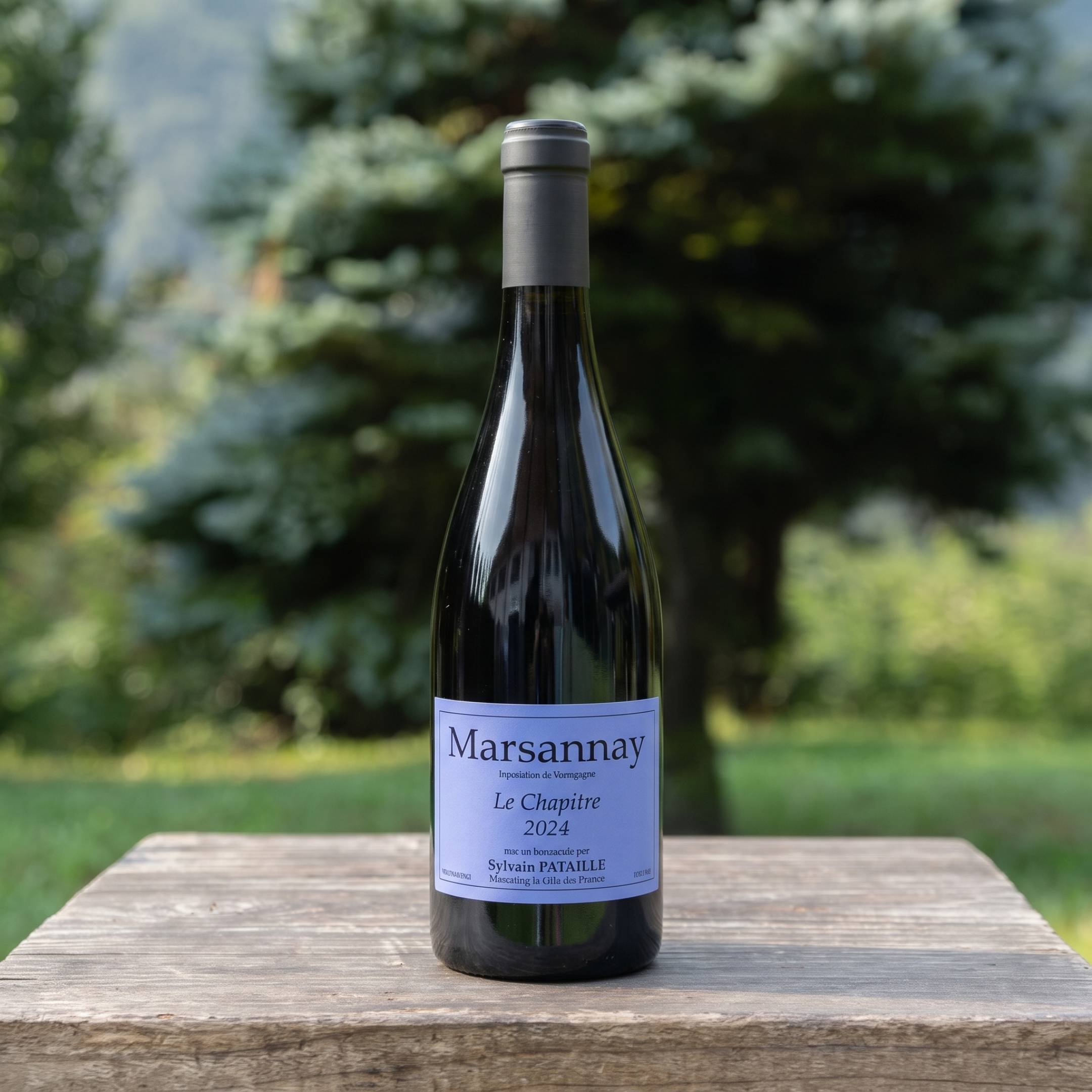
Marsannay Rouge Le Chapitre 2024. An east-facing vineyard at around 290 metres, left outside the Marsannay appellation because of its position. Sylvain has vinified it since 2008 and considers it among the greatest in the area. [TO VERIFY appellation on the label] Discover it →
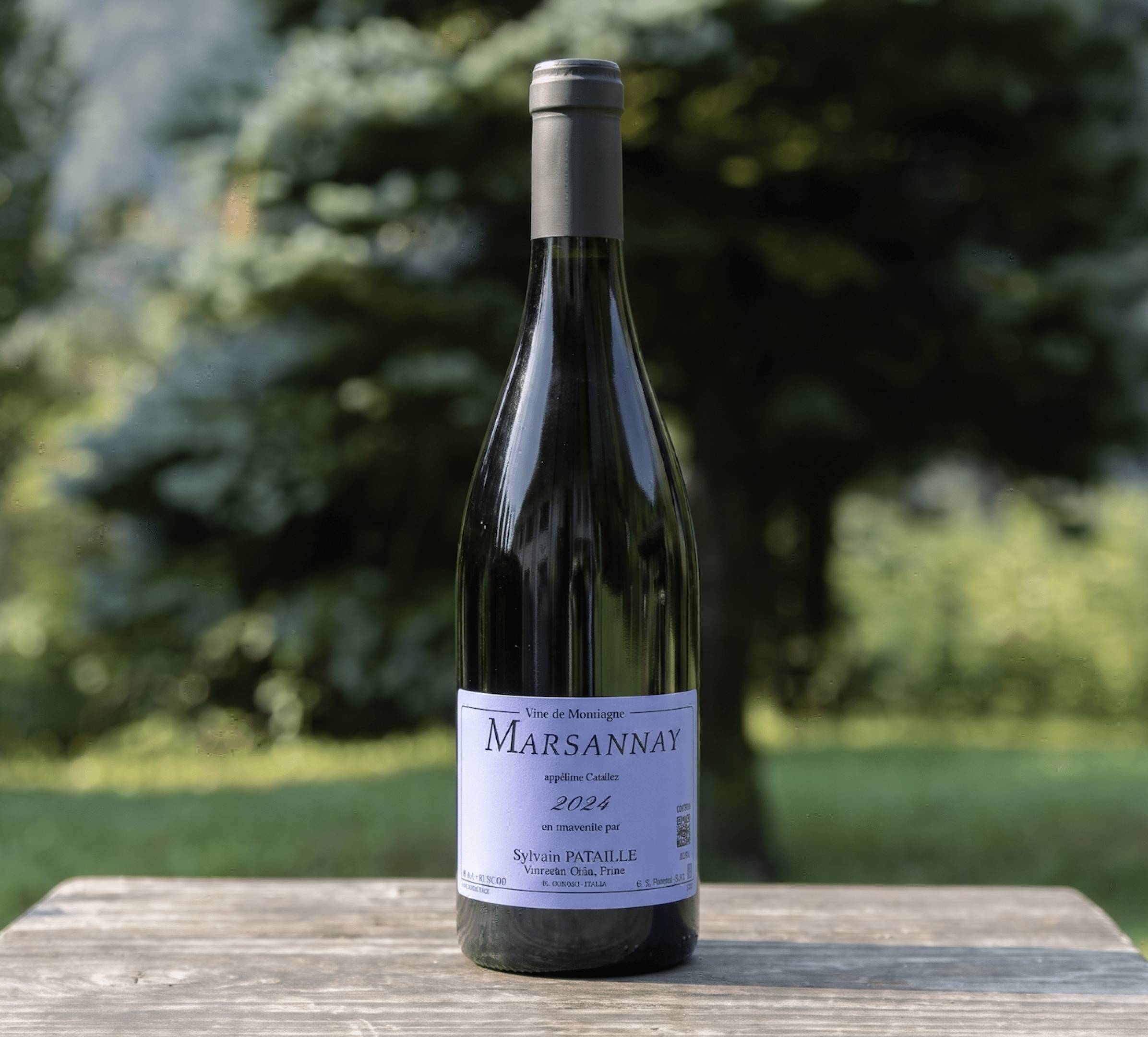
Marsannay Rouge 2024. The village wine, the ticket of entry into Pataille’s world: the Pinot Noir of Marsannay in its most immediate and readable form. [TO VERIFY parcels and élevage] Discover it →
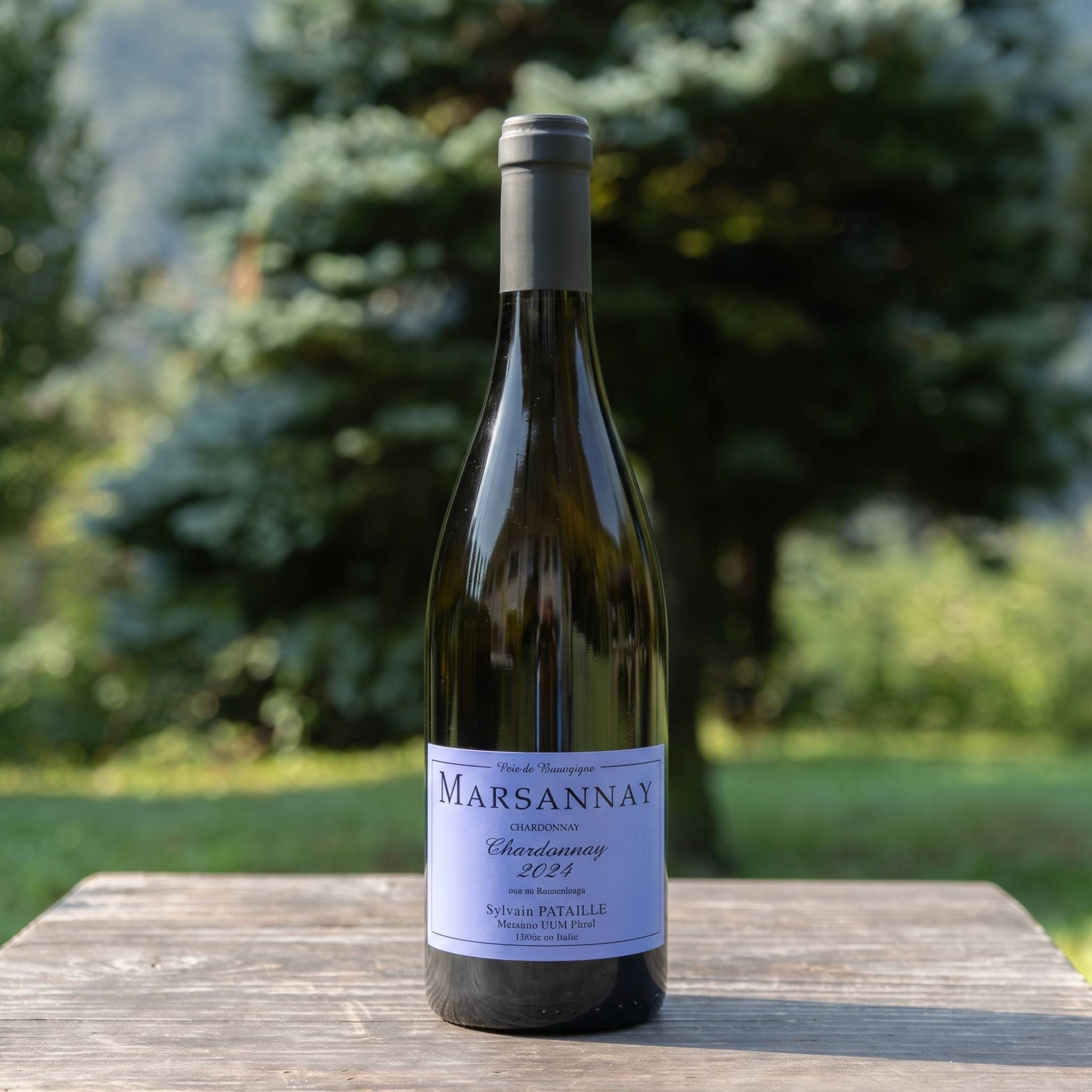
Marsannay Blanc 2024. The white of Marsannay, matured mostly in older 350-litre barrels to keep tension without smothering the wine in oak. [TO VERIFY blend] Discover it →
Marsannay Rosé Fleur de Pinot. A tribute to an old Marsannay tradition, the “vins de fêtes”: rosés made by saignée and pressing, born for the table and not for the aperitif. [TO VERIFY vintage and method] Discover it →
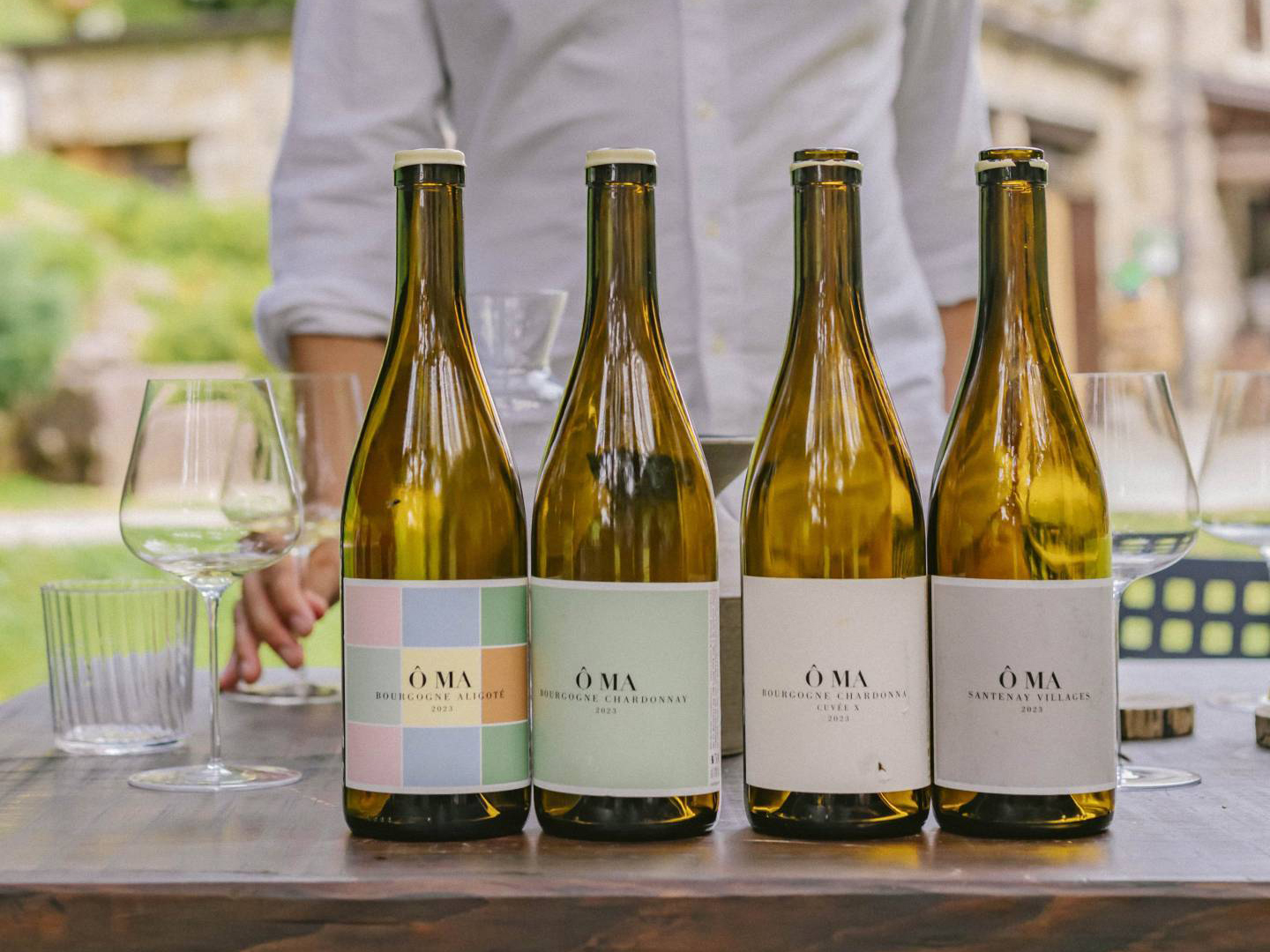
Bourgogne Aligoté 2023. The most direct taste of his Aligoté: hand-picked grapes from several parcels, blended. Fresh, savoury, tense. [TO VERIFY élevage 2023] Discover it →
Bourgogne Rouge 2023. The most approachable Pinot Noir of the range, for those who want to step into Burgundy without giving up the vigneron’s hand. Discover it →
Wild pairings
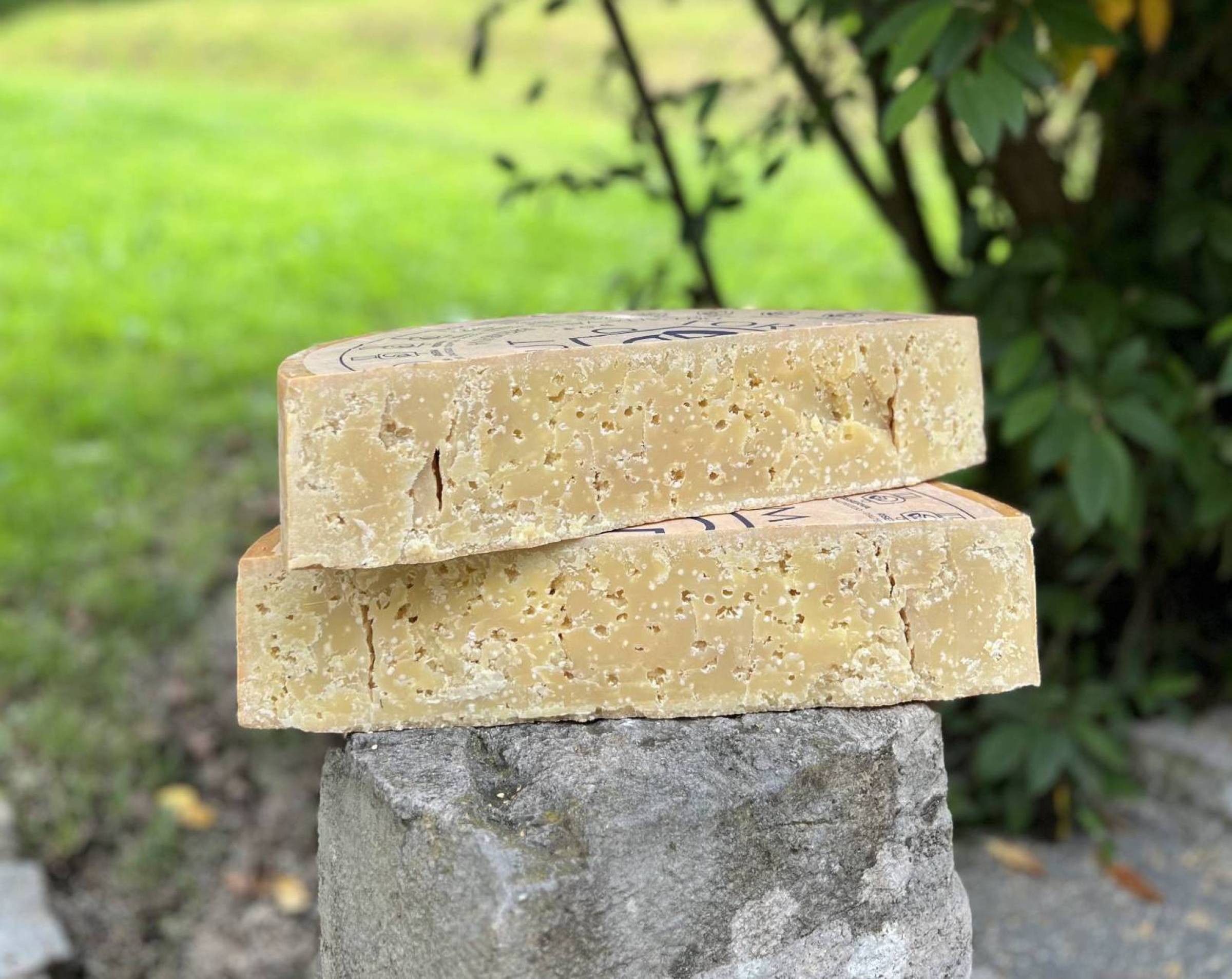
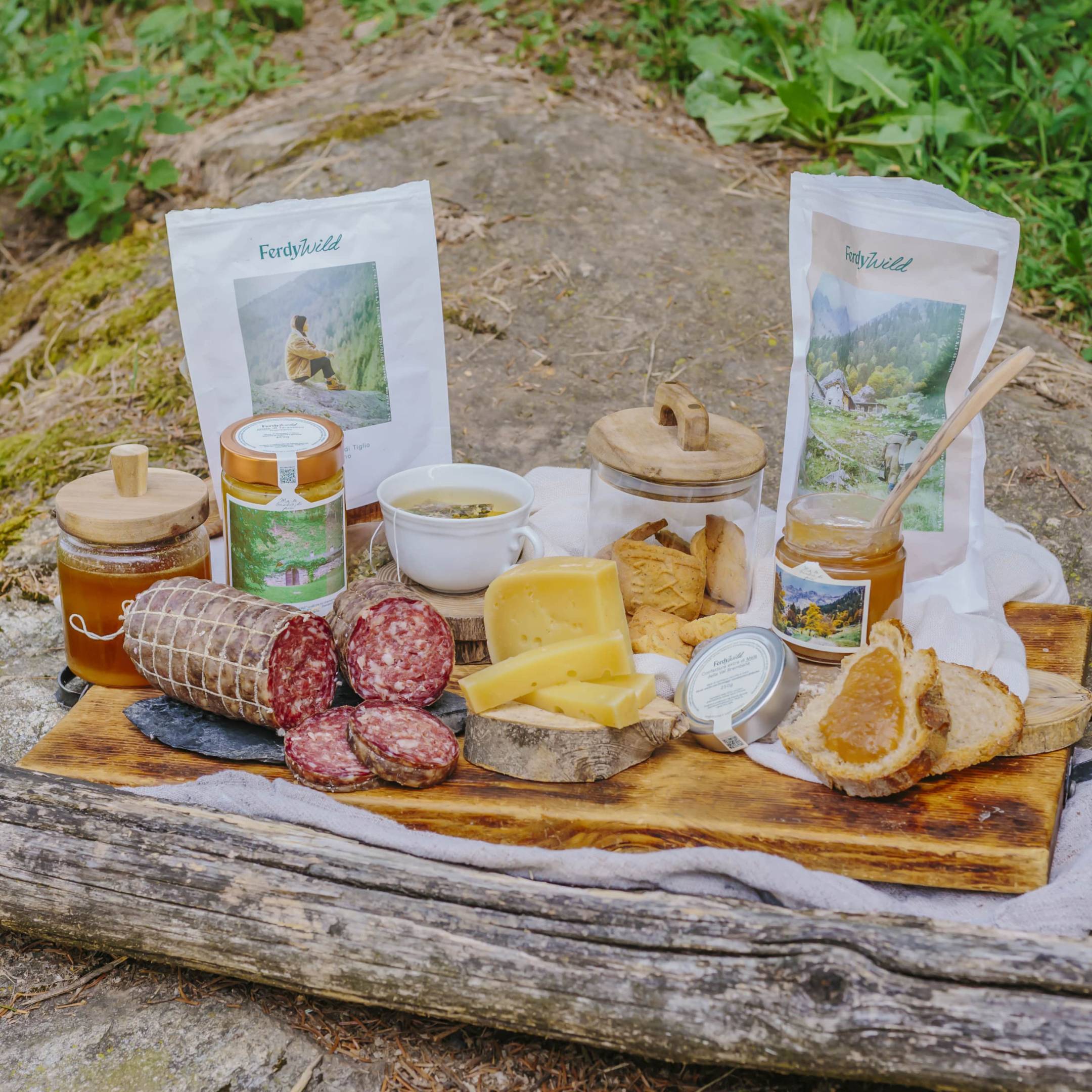
Pataille’s reds call for mountain tables: alpine cured meats and raw-milk cheeses of medium ageing, with polenta and mountain-pasture butter. Serve them at 14-16 degrees. Aligoté and Marsannay Blanc, at 10-12 degrees, find their ideal companions in fresh cheeses and pasture dairy. The rosé, at 8-10 degrees, stands up to a board of cured meats without fear. LINK: artisan cured meats · LINK: cheeses
Closing
Choosing the wines of Sylvain Pataille means understanding that an appellation is not a destiny, but daily work. Like our alpine cheeses and the raw milk of those who climb to the high pastures, these wines are born of effort, time and loyalty to a place. Authenticity is not a souvenir: it is earned, one row of vines at a time.