
An apartment in Los Angeles, a bottle of Burgundy, and a Beaune 1er Cru with the nose of Pommard and the body of Beaune.
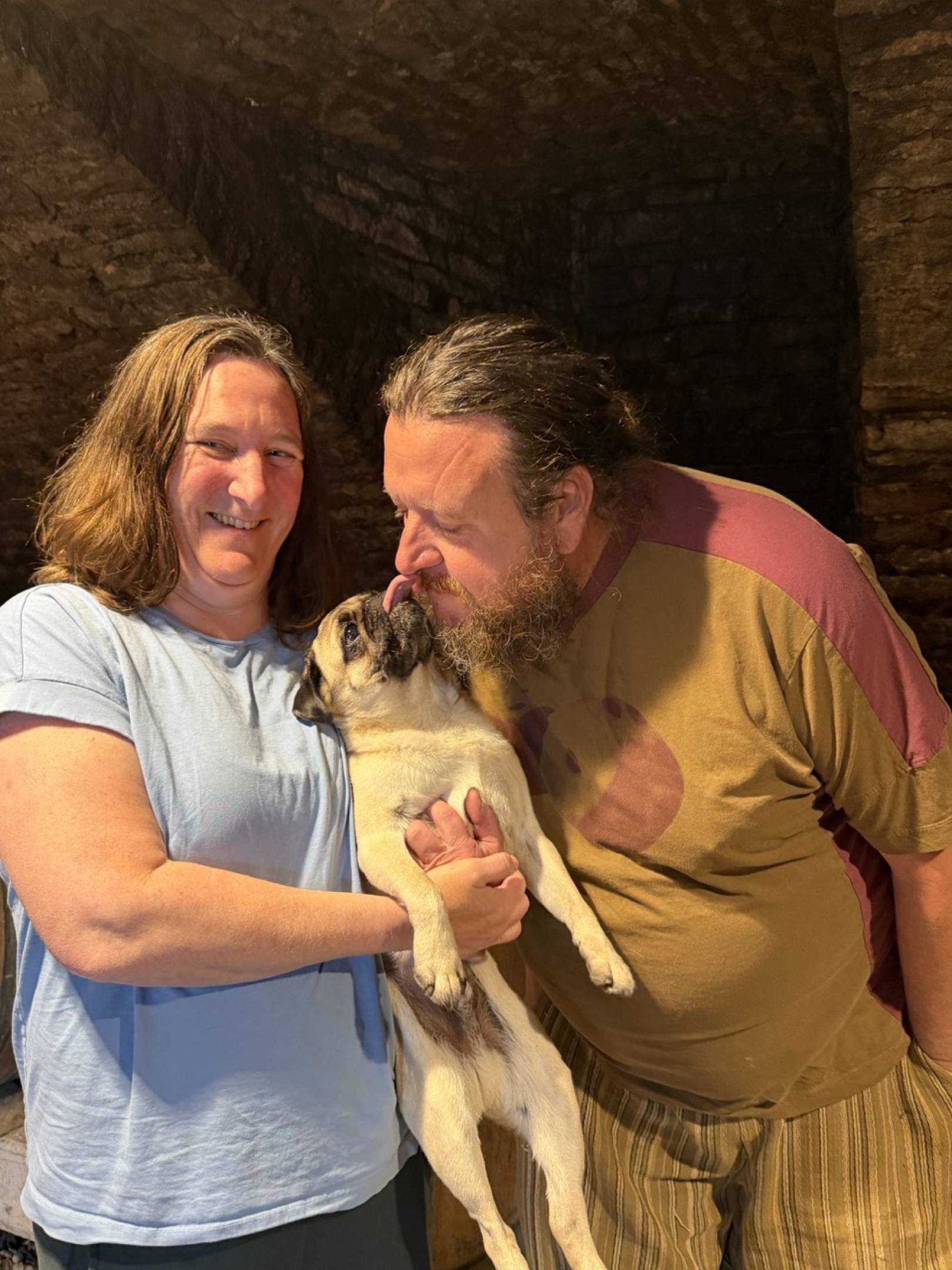
Le Grappin and the chimera of Beaune
Andrew Nielsen doesn't come from a family of winemakers. He lived in Los Angeles, had a different job, a nice house. One evening he opened a bottle of Burgundy, and the next day he told Emma he wanted to drop everything and study wine. Emma said ok.
Five years on the road, then Savigny
California, New Zealand, Australia. Then Burgundy, at a small domaine in Savigny-lès-Beaune. There Andrew noticed something: a few metres between two parcels completely change the wine, yet in the less famous villages everything ends up blended into a single village bottling. Le Grappin was born in 2011, in a garage, with a simple idea: vinify each parcel on its own.
No family vines, so free choice
Andrew and Emma didn't inherit any vineyards. They buy grapes from growers they've worked with for years, pay high prices and demand quality. The advantage is being able to choose cool parcels that ripen late: their harvest lasts about three weeks, when in Burgundy it's often over in seven days. That allows them to work slowly: foot treading, a vertical press like in the 1950s, must going straight into barrel. Old barrels: "if you can taste the wood in a Burgundy, that's not the magic we're after".
Today the cellar is in Meloisey, in the Hautes-Côtes above Beaune, in an old building that had stood empty for eighty years. Five years to restore it, but underneath lies a large buried cellar that lets the wines spend two winters in barrel.
The chimera
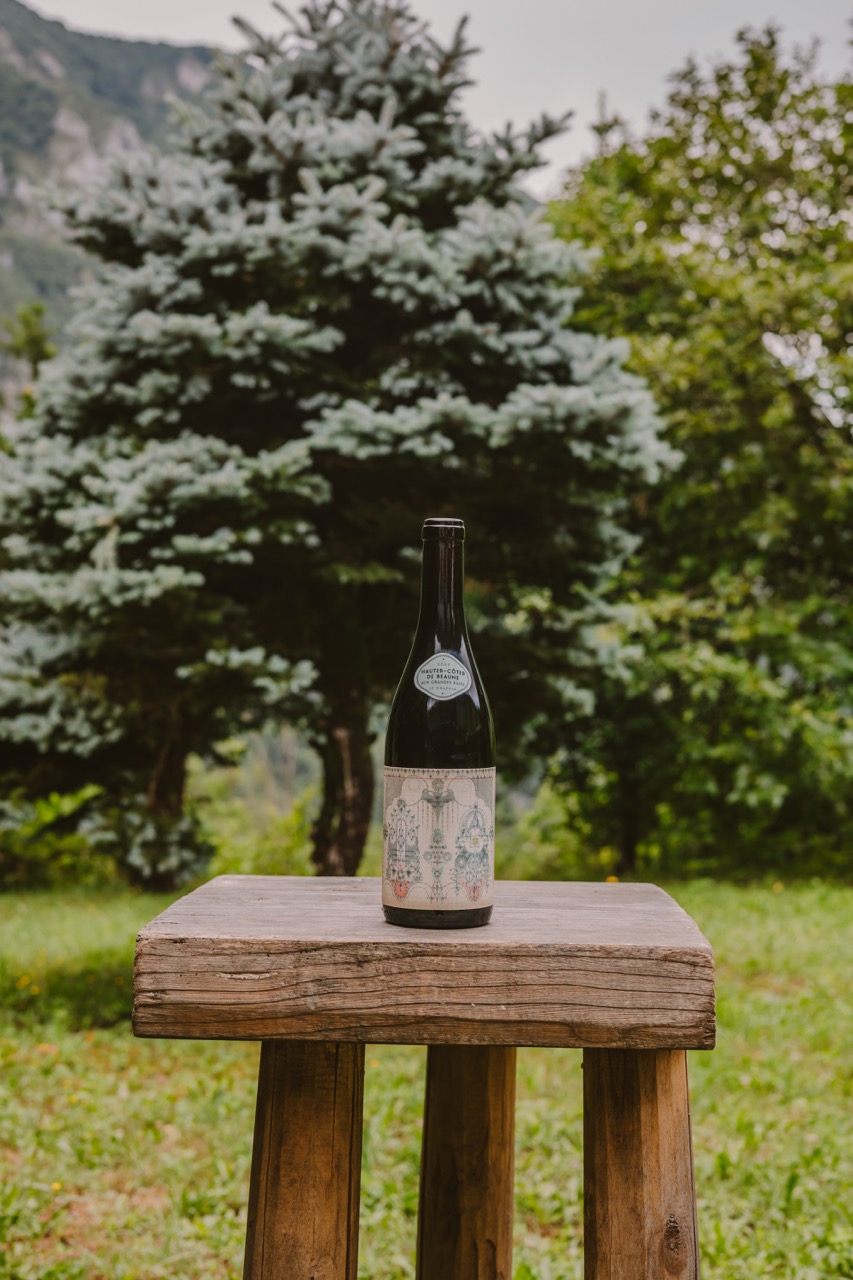
The wine that tells the Le Grappin story best is the Beaune 1er Cru Les Boucherottes. The vineyard sits in the corner of Beaune that touches Pommard. The topsoil is dolomitic, slid down from the hill of Pommard: lots of magnesium, heavy clay, firm tannin and blue fruit. Underneath, though, the mother rock is Beaune's. The result: the nose of a Pommard, the body and silky tannin of a Beaune. Andrew calls it a chimera, lion's head and dragon's tail.
Half the vineyard belongs to the Hospices de Beaune and ends up in the November auction; a quarter belongs to a big maison and disappears into a blend. Very few bottles carry Boucherottes on the label. Around 24 months of ageing, partly in Wineglobes, large glass spheres that stretch the élevage while keeping the freshness.
Drink now, keep some for later
Andrew wants wines that are good young: he says it plainly, he can't ask us to sit on a pallet for five years. With time the Boucherottes takes on tobacco and forest floor. The usual advice: buy two, open one.
→ Beaune 1er Cru Les Boucherottes 2022 — Le Grappin
Where to start
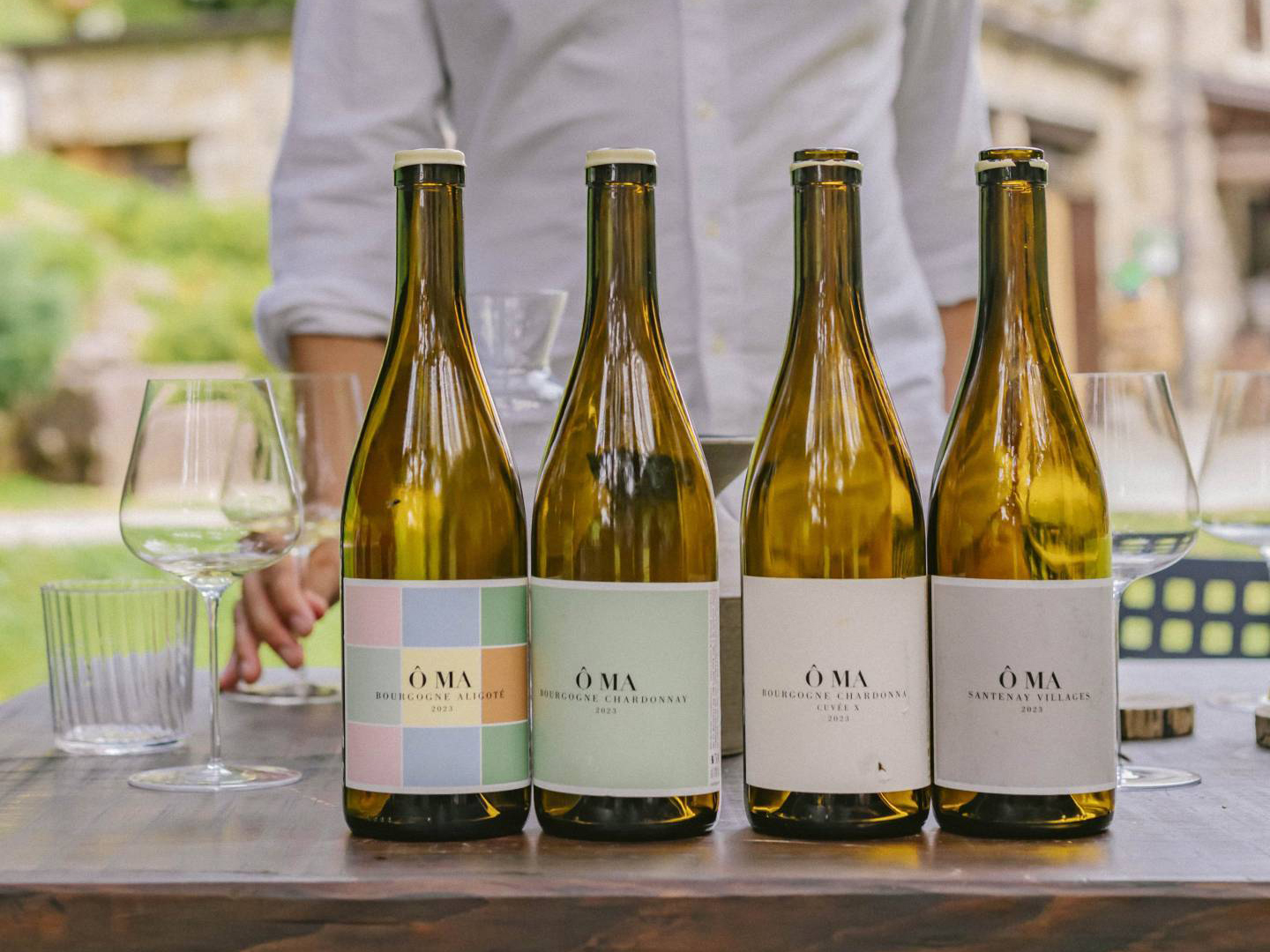
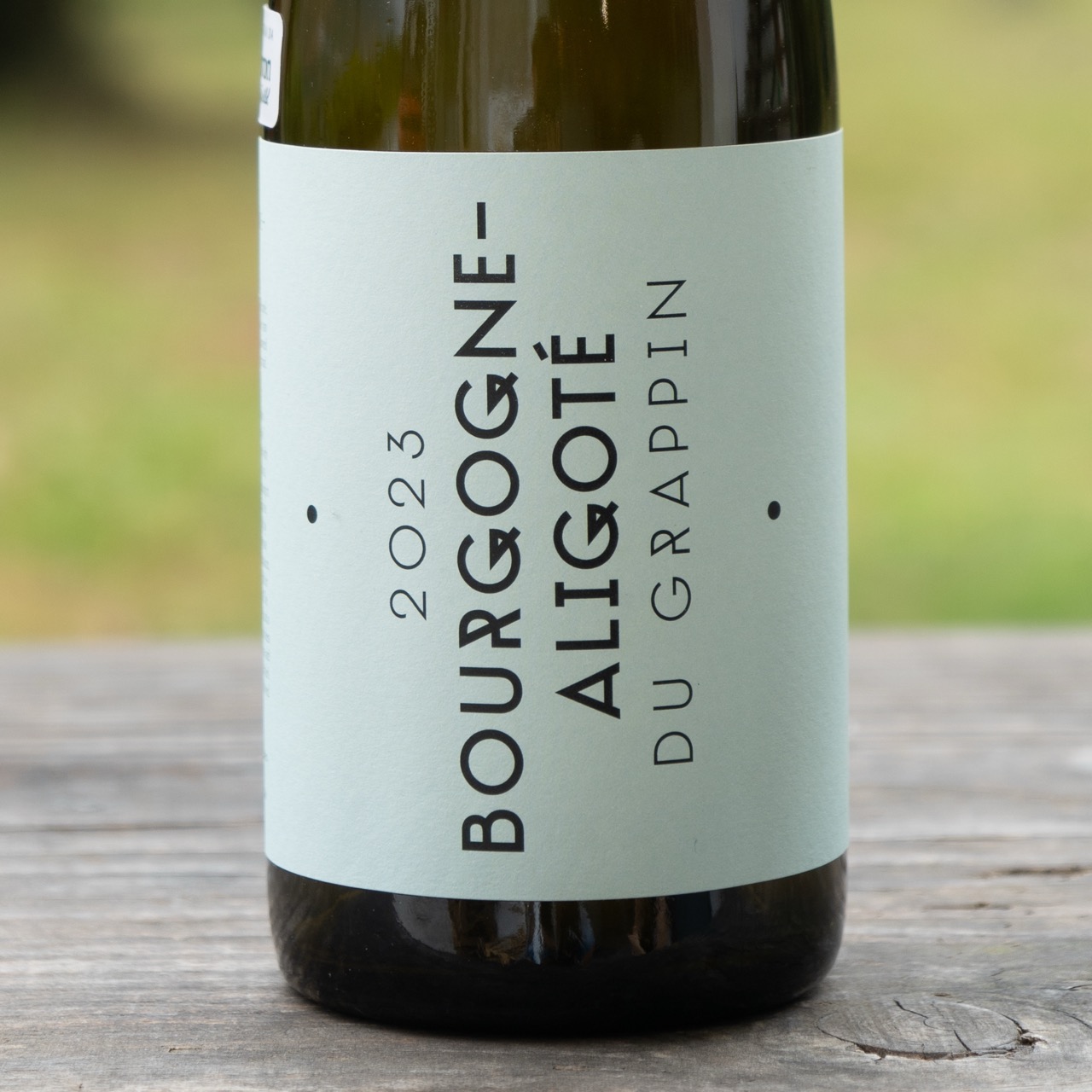
- To enter the domaine → Bourgogne Aligoté 2023, the vineyard facing Chassagne.
- The white for the table → Hautes-Côtes de Beaune Mainbey Blanc 2024.
- The chimera → Beaune 1er Cru Les Boucherottes 2022: the nose of Pommard, the body of Beaune.