The veil and the patience: chronicle of a Sangiovese against the current
The winemaker and his laboratory: from Pisa to Montalcino, up to the slopes of Monte Amiata
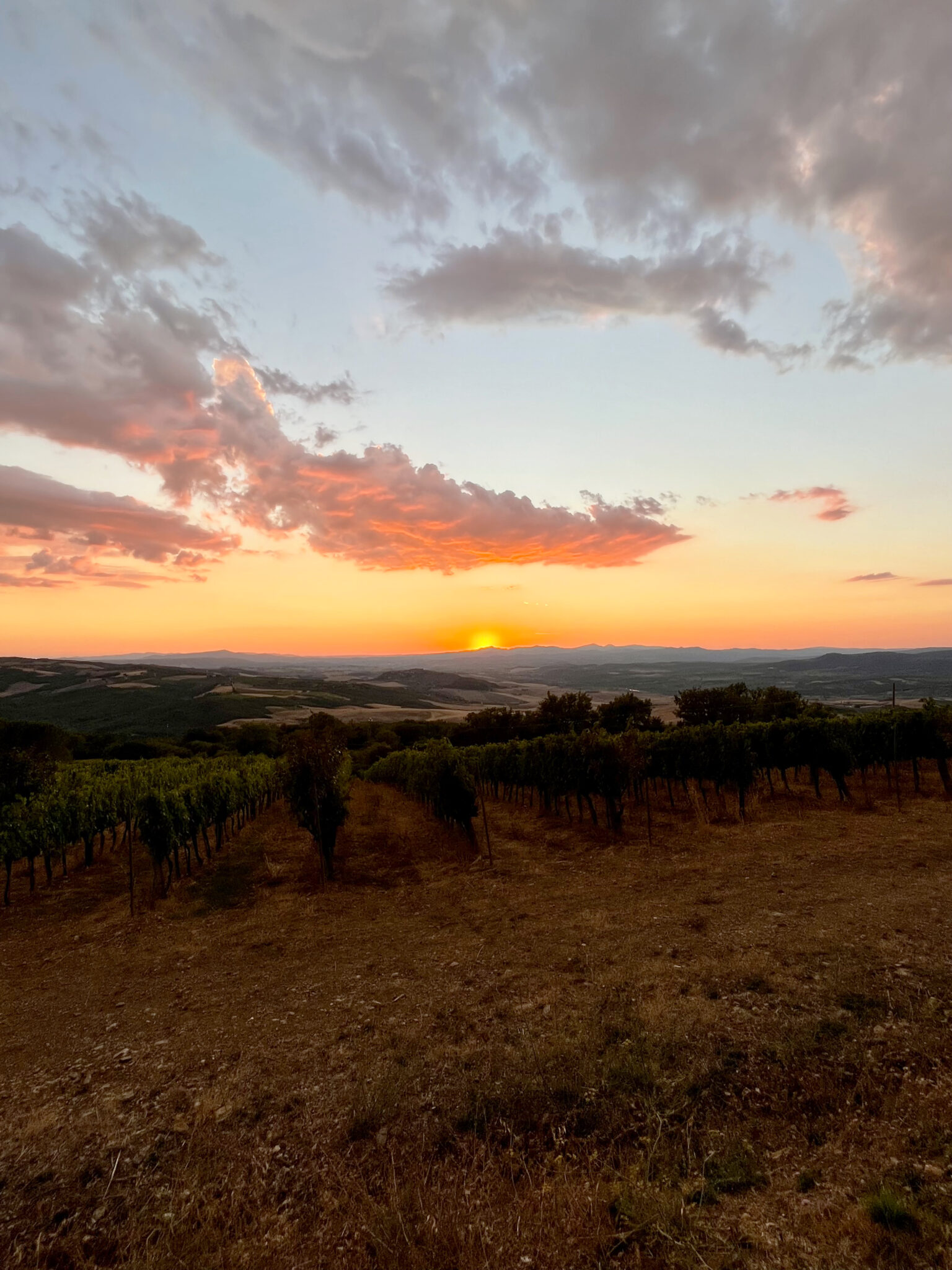
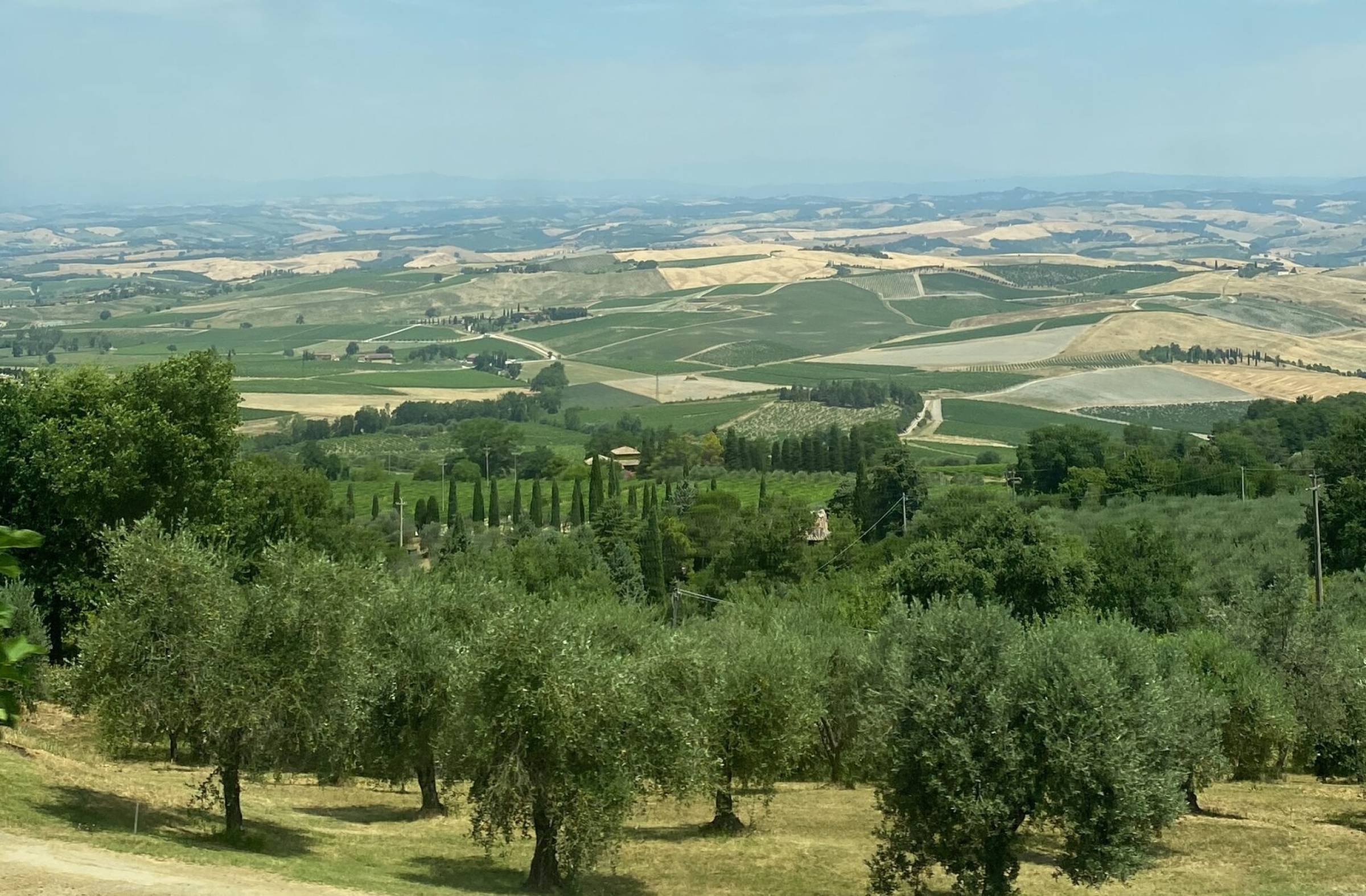
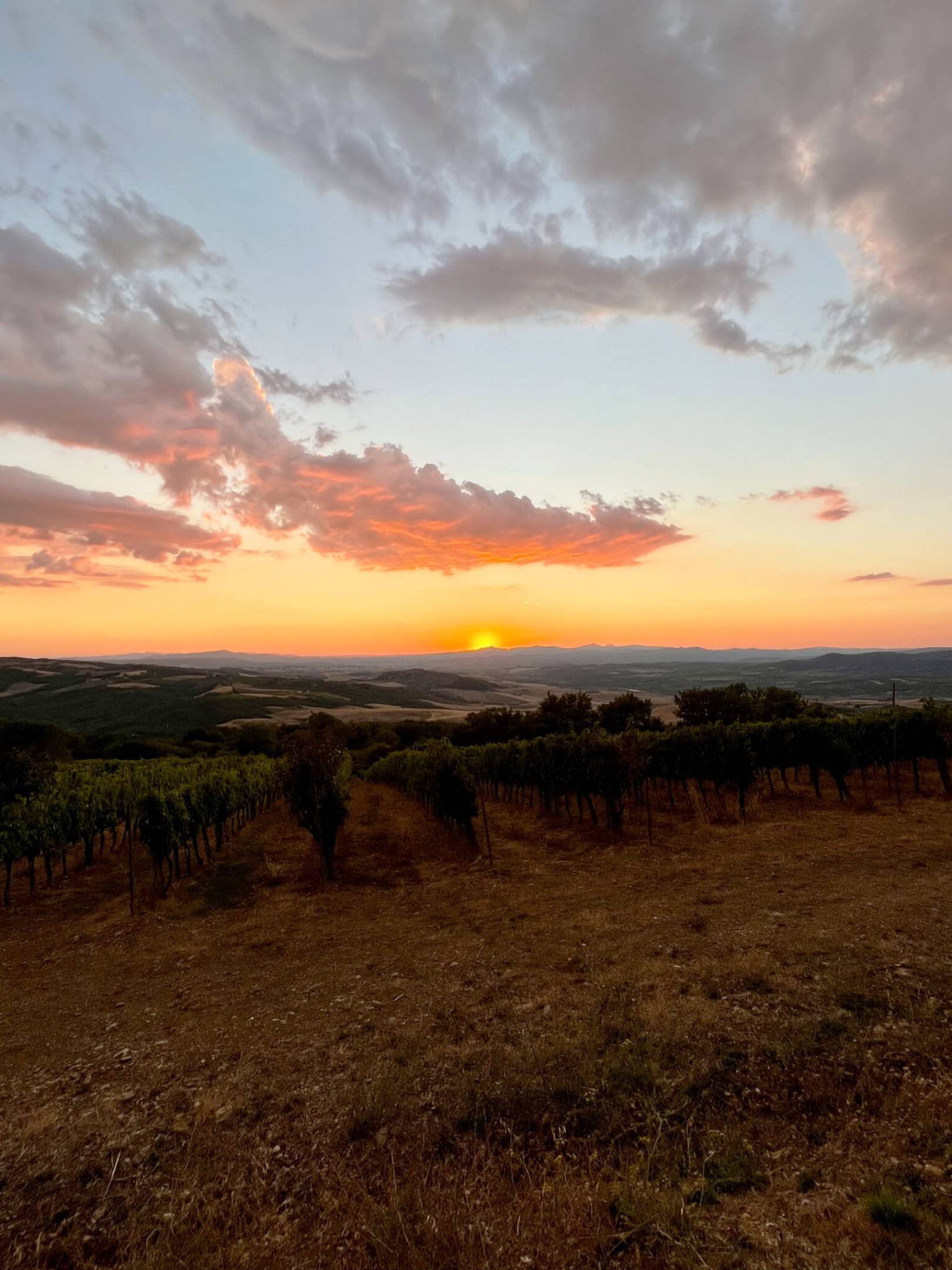
Sebastian Nasello is a winemaker who graduated in Pisa and has worked in Montalcino since 2012. He is winemaker and co-owner of Podere Le Ripi, in Castelnuovo dell’Abate, and of Bakkanali, the winery born in Poggioferro, a hamlet of Seggiano, on the slopes of Monte Amiata. Up there the vineyards sit between 600 and 800 metres, on an extinct volcano that brings wind, snow and sharp swings in temperature. It is a higher, harsher Tuscany, almost a mountain one, and we know it well because its reds are already part of our selection: Bakkanali Rosso and Bakkanali Toscana Rosso K.
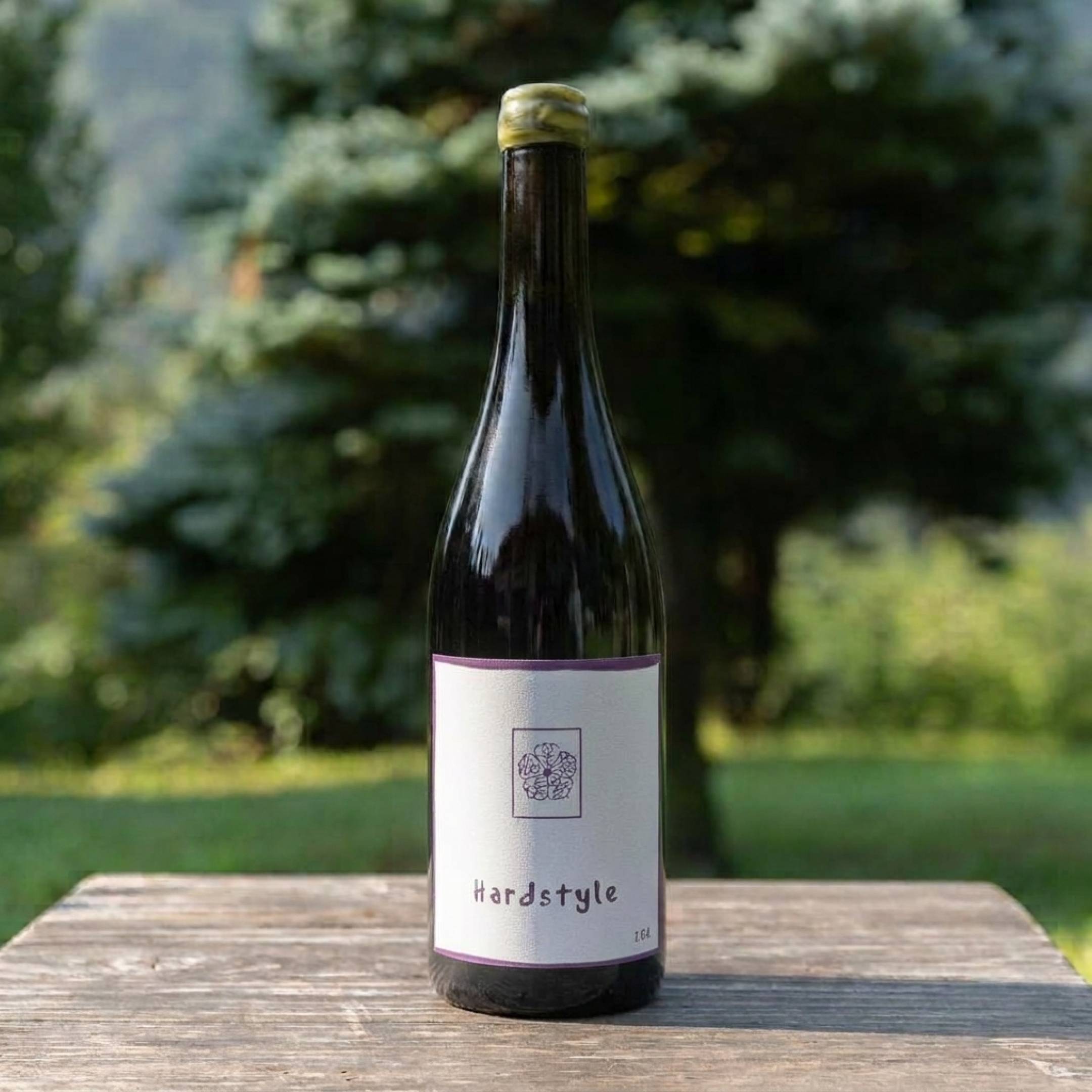
Alongside his cellar work, though, Sebastian follows a path entirely his own. Hardstyle was born from his curiosity for flor and for long oxidative élevage, a road almost no one in Tuscany takes. It is his freest, most instinctive, most daring side. Small batches that began almost as experiments and have taken shape with surprising clarity.
Under flor: one barrel, one wine, one edition
The project starts with grapes from the Montalcino area: Sangiovese, Trebbiano and Malvasia. The bunches are pressed whole to obtain clear musts, which ferment in used barrels and then mature under flor, the thin film of yeast that forms on the surface of the wine and protects it, feeds it, slowly transforms it.
This is the heart of Hardstyle. Each barrel develops a different flor and gives a wine of its own, which Sebastian calls an edition. The barrels are followed one by one, separately, and bottled by hand straight from the cask, with no added sulphites. There is no calendar to follow: tasting decides how long the wine stays under flor. The first barrels date back to 2020 and 2021, the wine is made at Podere Le Ripi, and each edition counts around 580 bottles. More are already on the way.
It is a way of working that gives up control in order to listen. The same Sangiovese, in the same hands, gives four wines that look nothing alike: one vertical and chalky, one taut and experimental, two broader and made for the table. The difference lies in the wood, the veil, the time. Just as in the alpine pastures, where the same milk changes face with the meadow, the season, the hand that works it.
At the table with flor: wild pairings
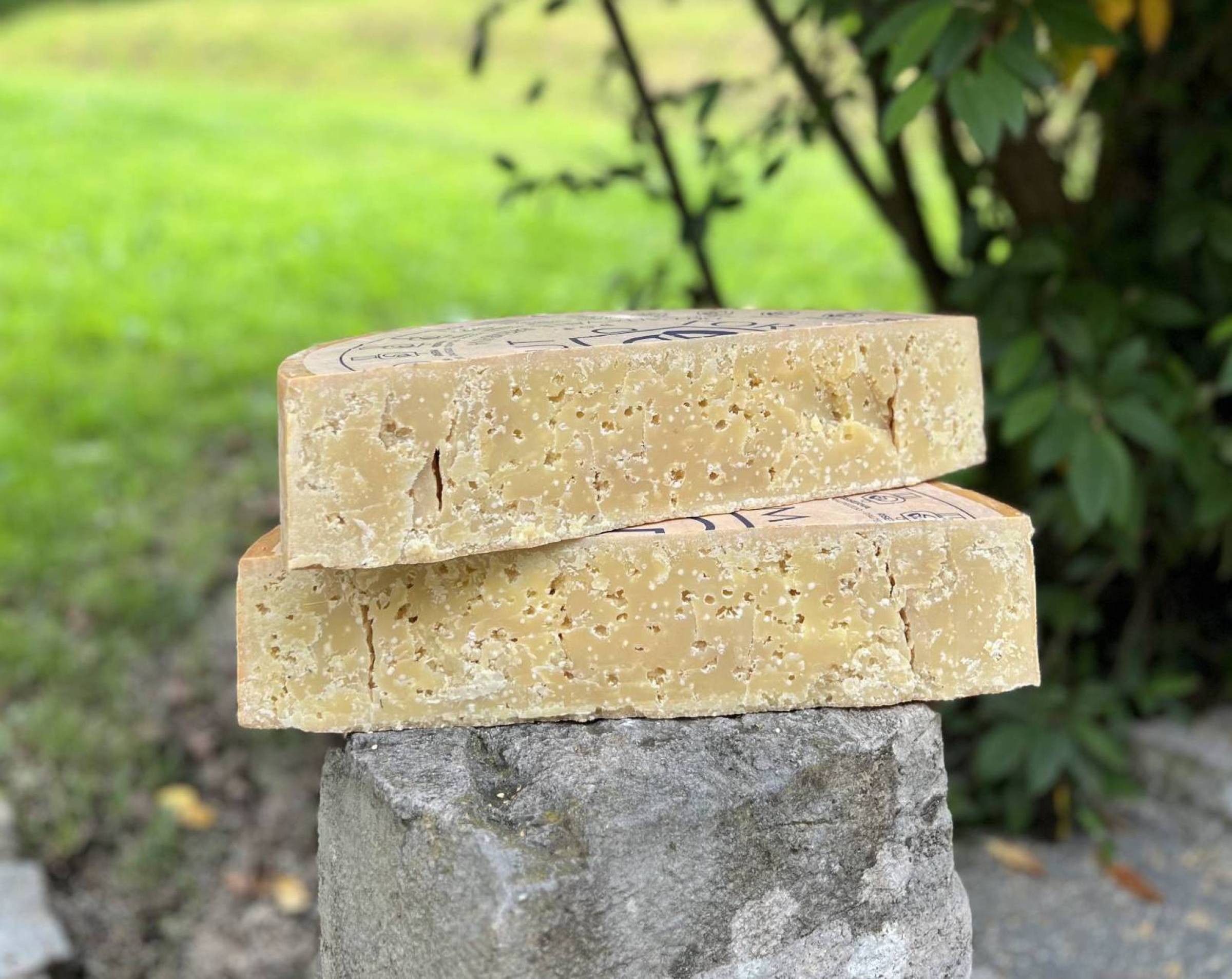
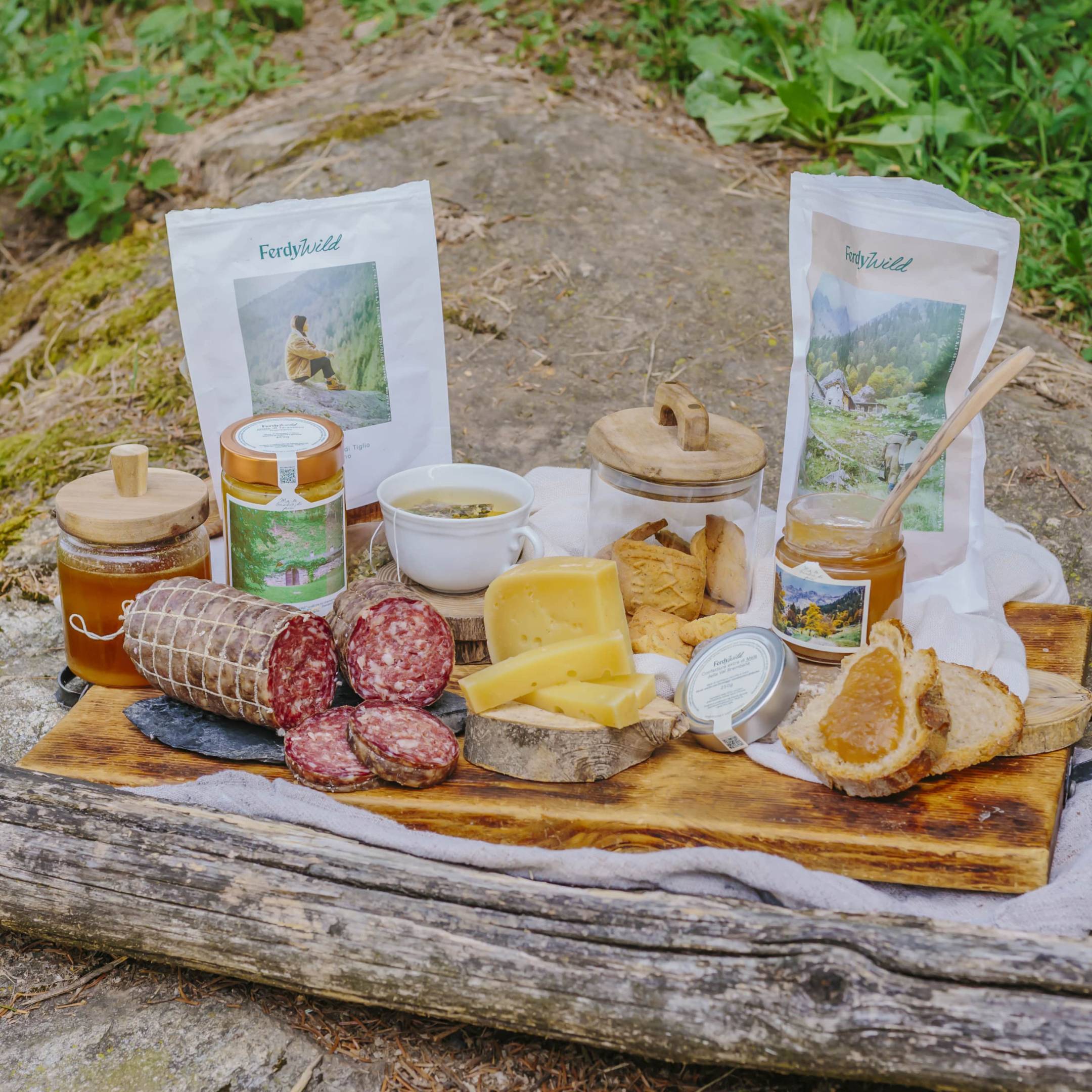
These wines ask for real food, savoury, with a story behind it. Edition I, the most vertical, opens up with raw fish and medium-aged cheeses: a raw-milk mountain cheese, its milky note still alive, follows its chalky salinity. Edition III and Edition IV, broader and more structured, look for aged cheeses and dishes with character: try them with Formai de Mut dell’Alta Valle Brembana DOP or our aged cheeses, or next to polenta with alpine butter. Edition II is for those who want the most experimental side of flor: taste it slowly, perhaps on its own, to follow how it evolves in the glass.
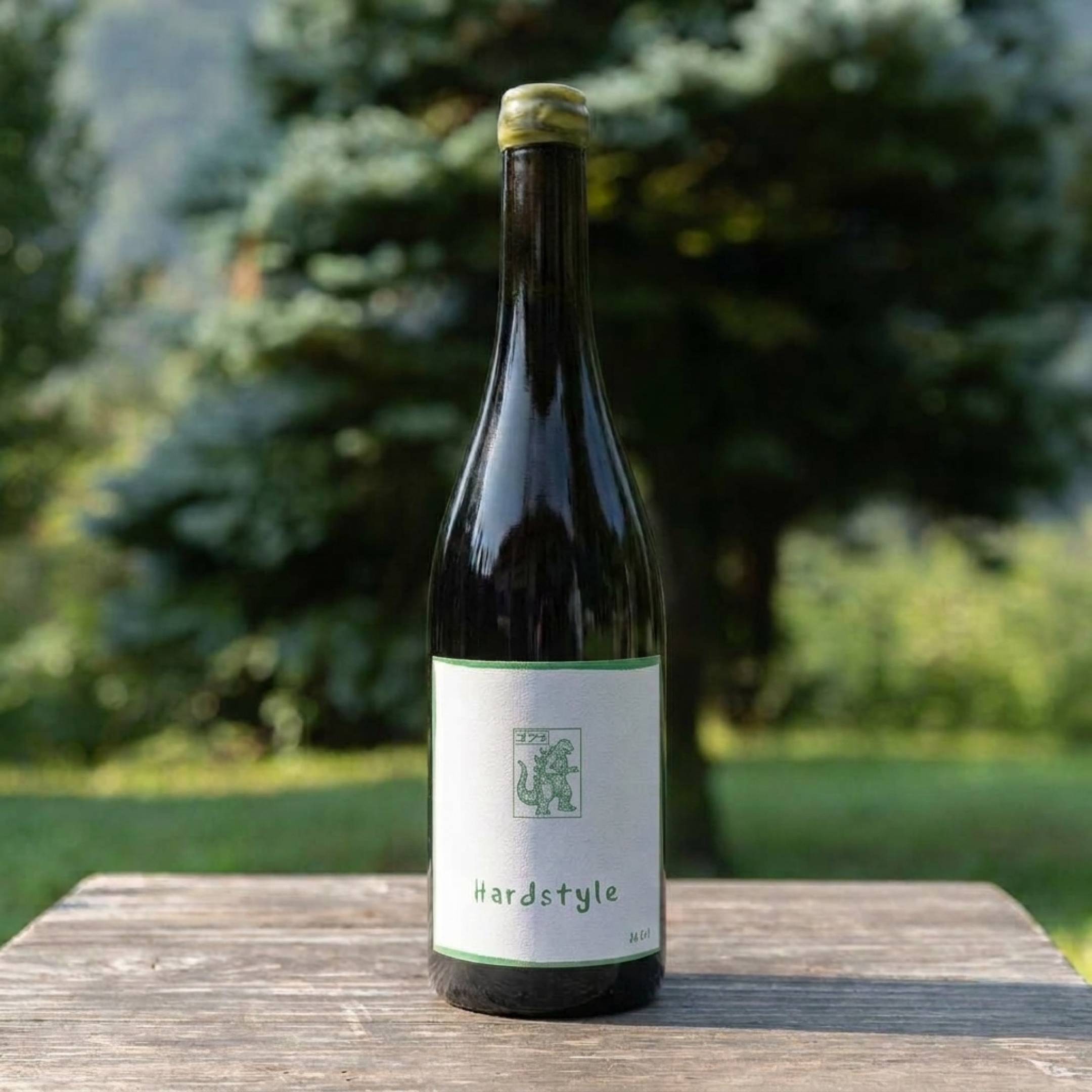
Hardstyle, Ed. I
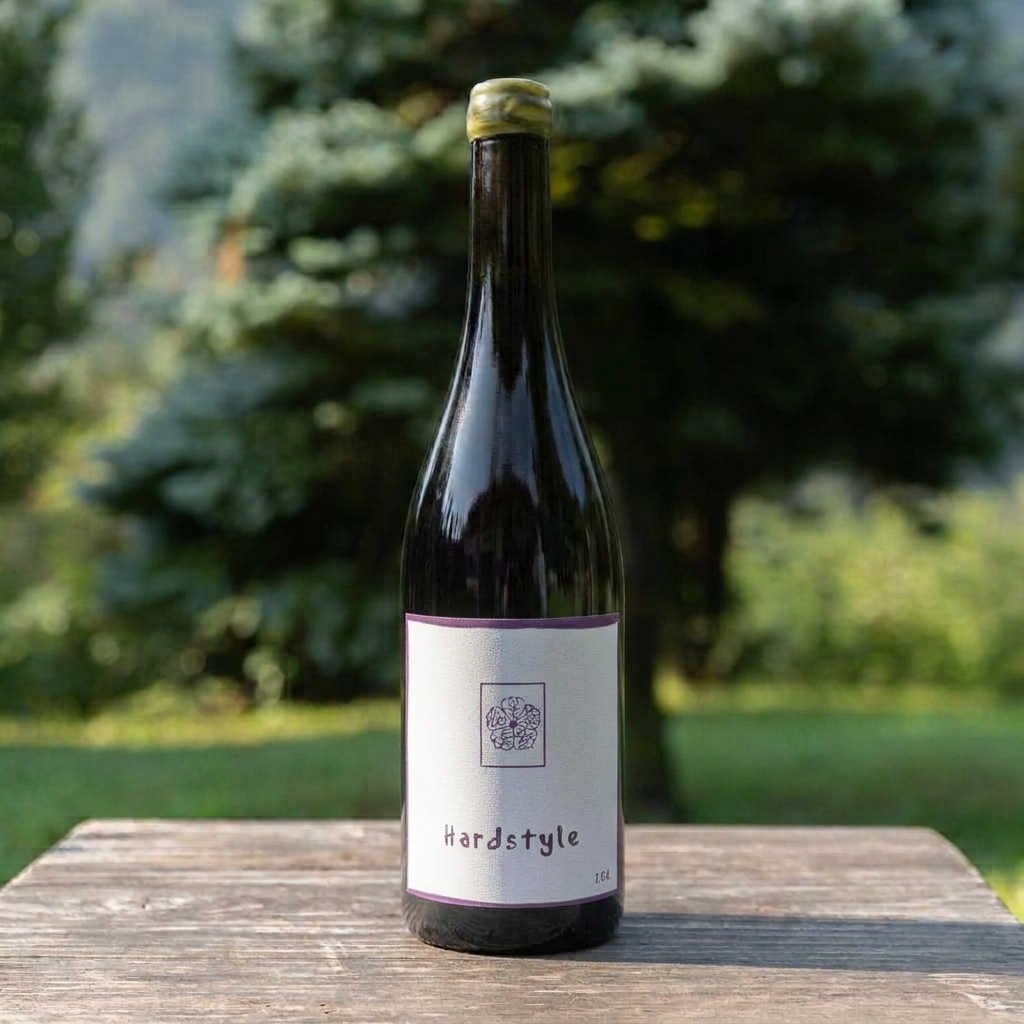
Slow, static autolysis and no skin contact: Sangiovese shows a face no one knew it had. Marzipan, sesame and meringue, with a chalky salinity heightened by evaporation under flor. The most vertical and clean of the editions, to open with raw fish and medium-aged cheeses.
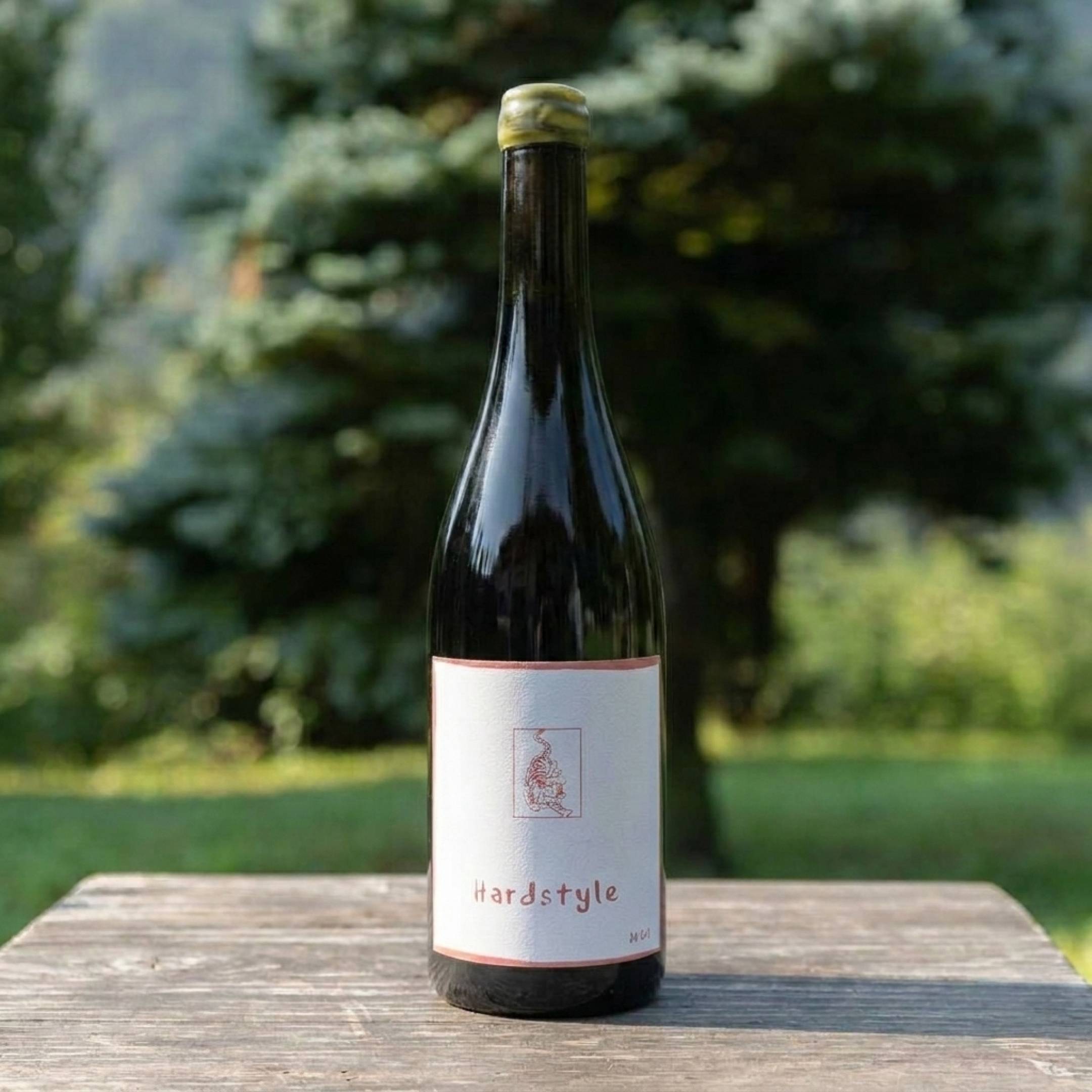
Hardstyle, Ed. II
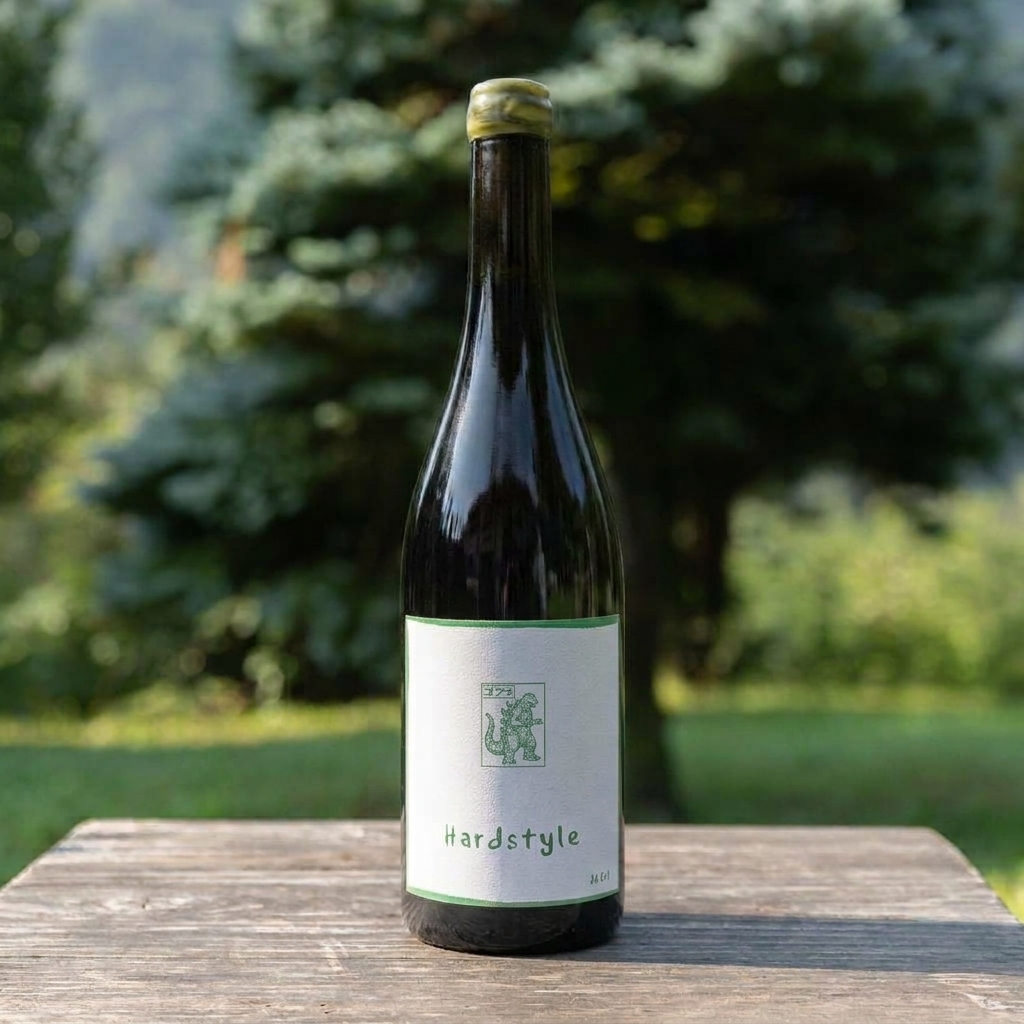
The boldest edition: a fermentation that lasted almost two years, with more noticeable volatility, then a rest on the full lees in Clayver to finish the sugars and lock in a stable reduction. This is followed by 36 months in an ullaged barrel under flor, where oxidation and reduction find their balance. A wine of tension and depth, for those seeking the most experimental side of flor.
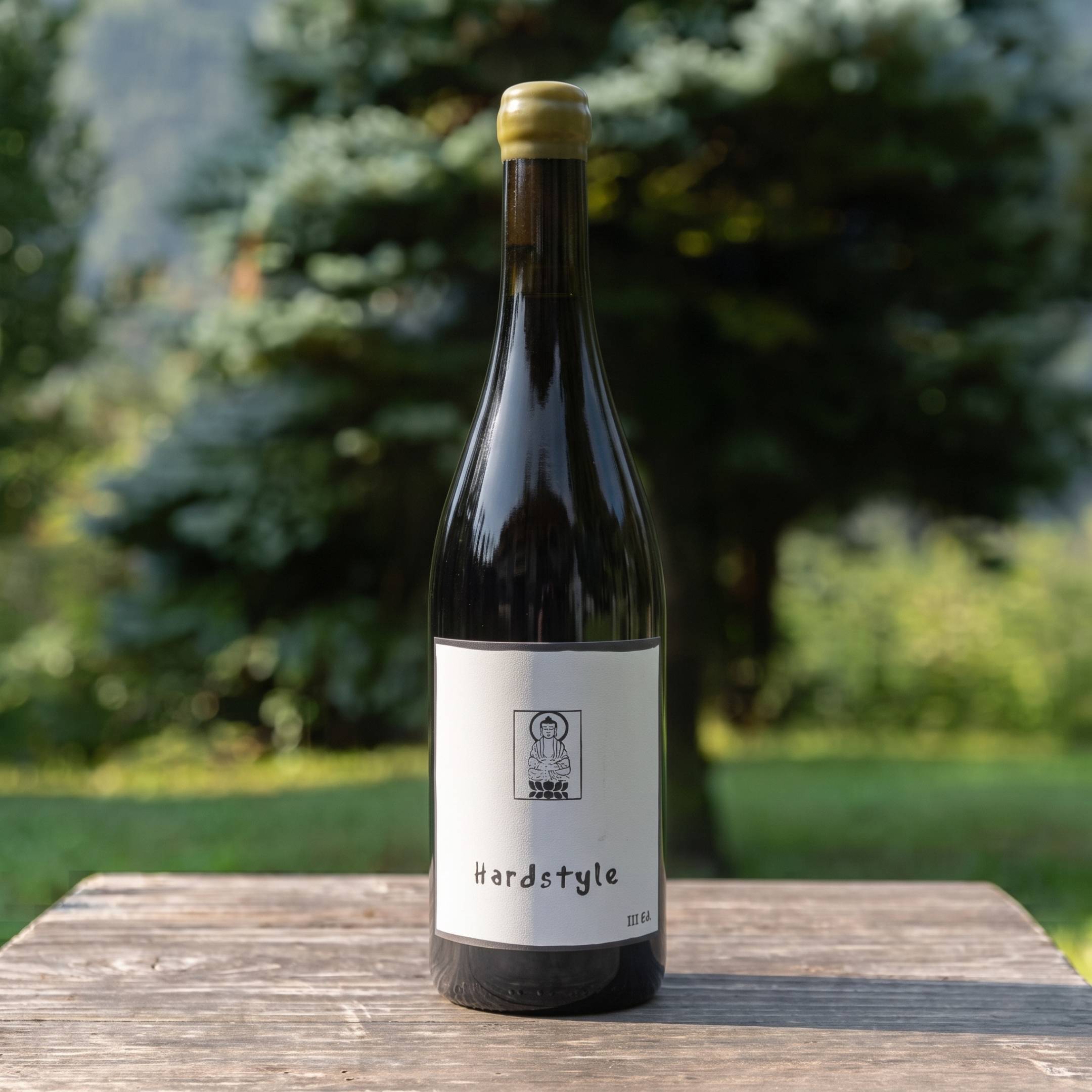
Hardstyle, Ed. III
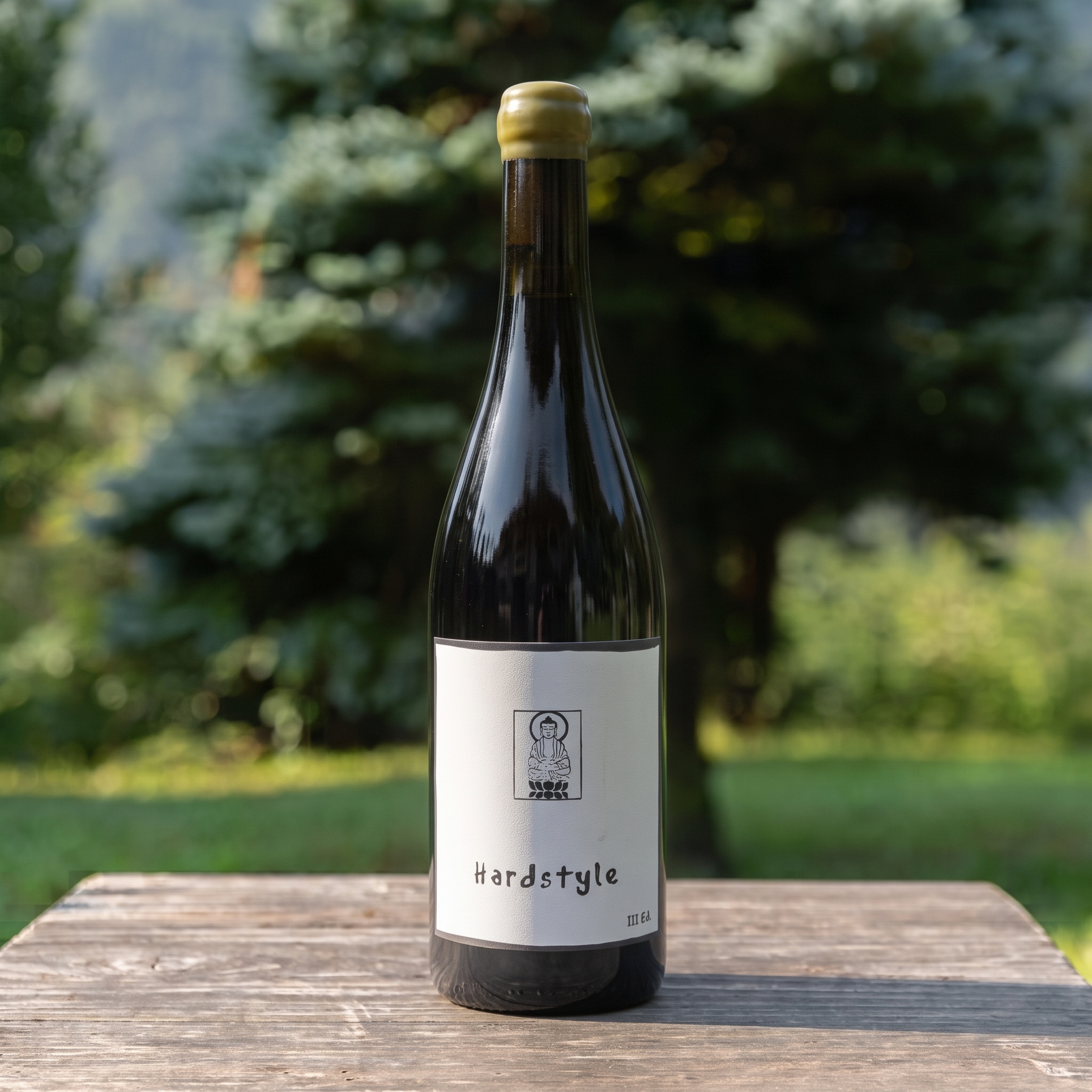
Same raw material as Edition IV, slowly fermented as an infusion on the skins and then aged under flor in a barrel of its own. The phenolic trace is more evident and becomes a counter of almond pastries; the tannins, made complex and rounded by the flor’s digestion, give a more viscous texture that reacts strongly to oxygen. The most food-friendly of the four, close to the great long-élevage wines.
Hardstyle, Ed. IV
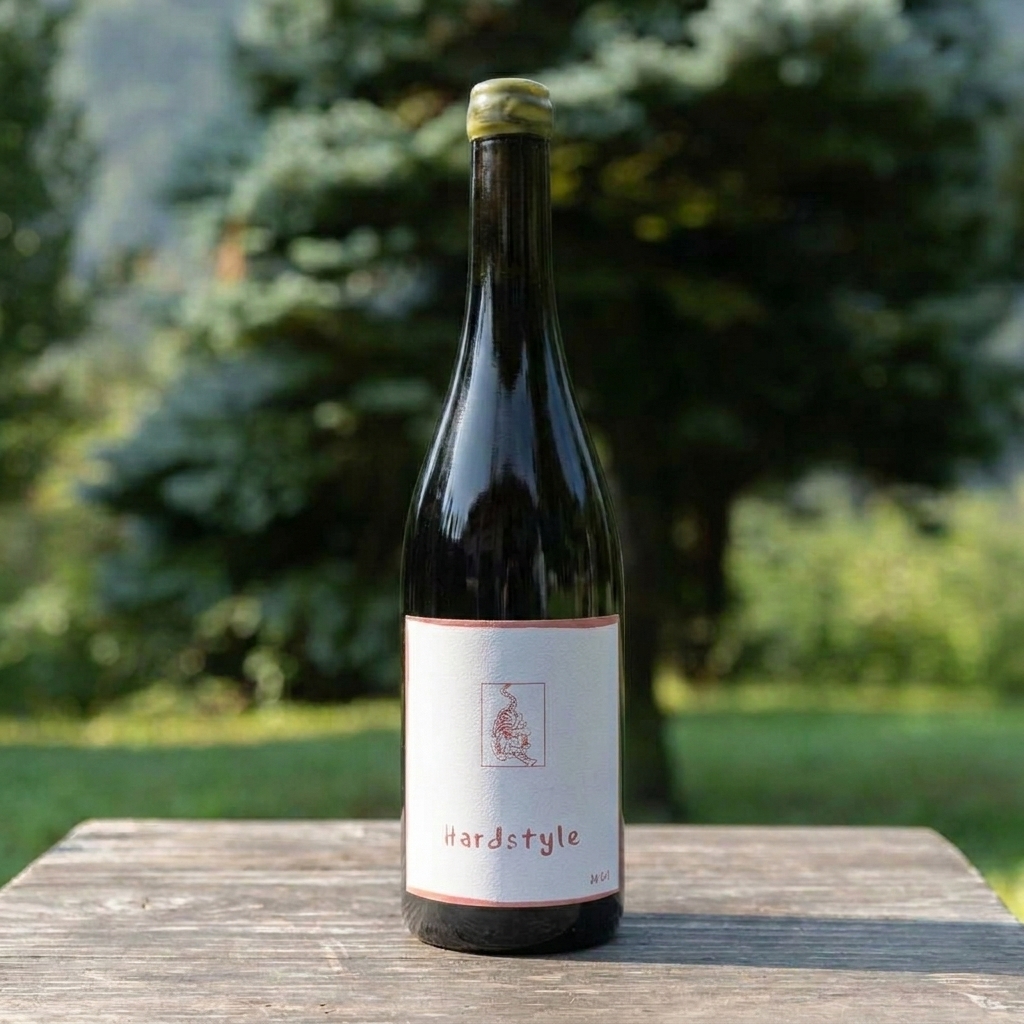
Twin of Edition III in origin and skin-infusion winemaking, but raised in a second vessel with its own flor: more alcohol and more structure, almond and toasted dried fruit, tannins polished by the veil and a length that calls for the table. Serve not too cold, with dishes of character and aged cheeses.
Choosing Hardstyle means accepting that wine is not manufactured: it is waited for. One barrel at a time, one veil at a time, until tasting, not the calendar, says it is ready. It is the same patience we ask of our cheeses in the cave, and the same freedom we look for in every bottle that enters our cellar.
Around 580 bottles per edition. Which one will you open first?