Listening to the hillside: the story of a handover
A long road to Corgoloin: Léocadie Benech, from science to listening
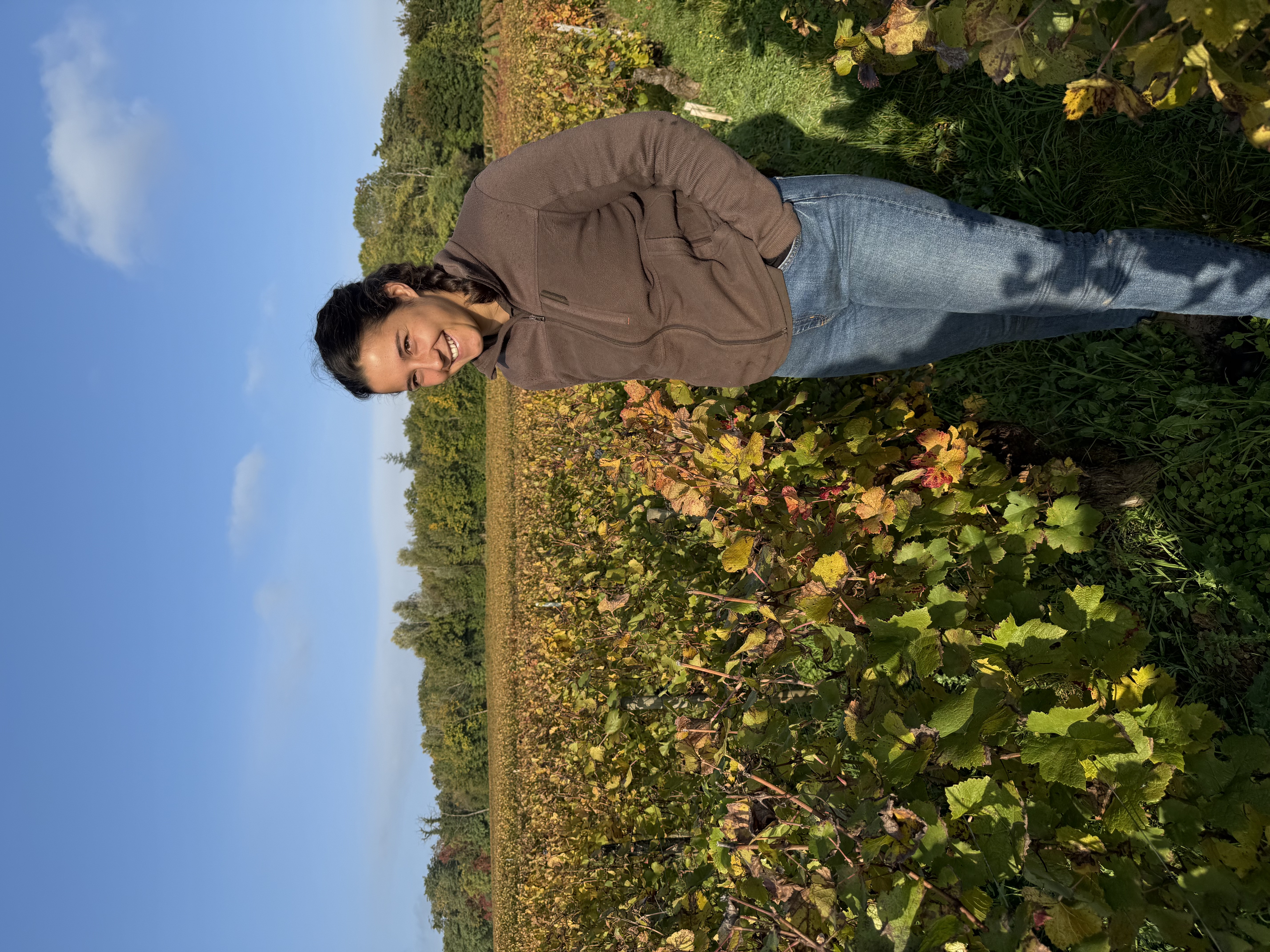
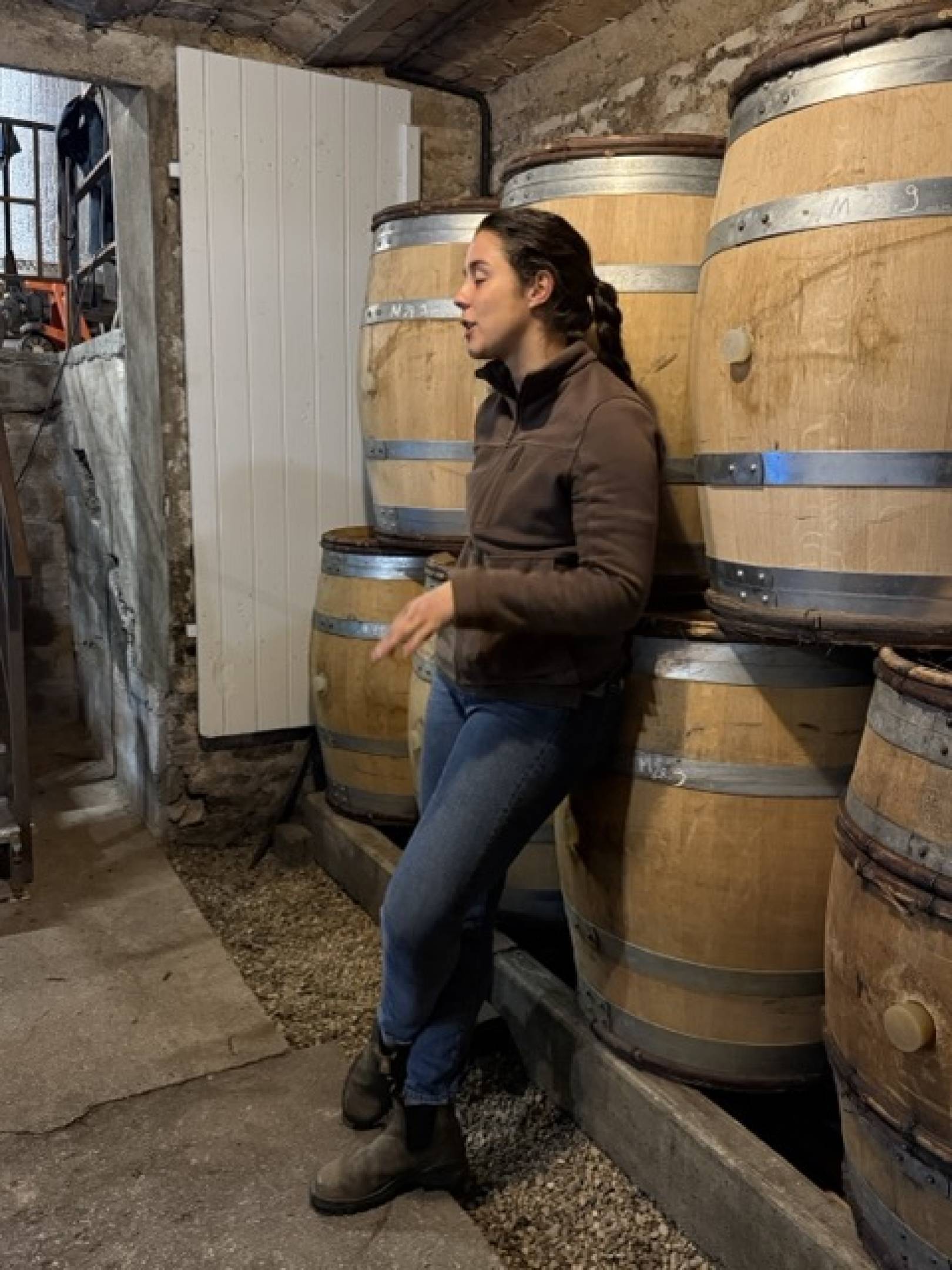
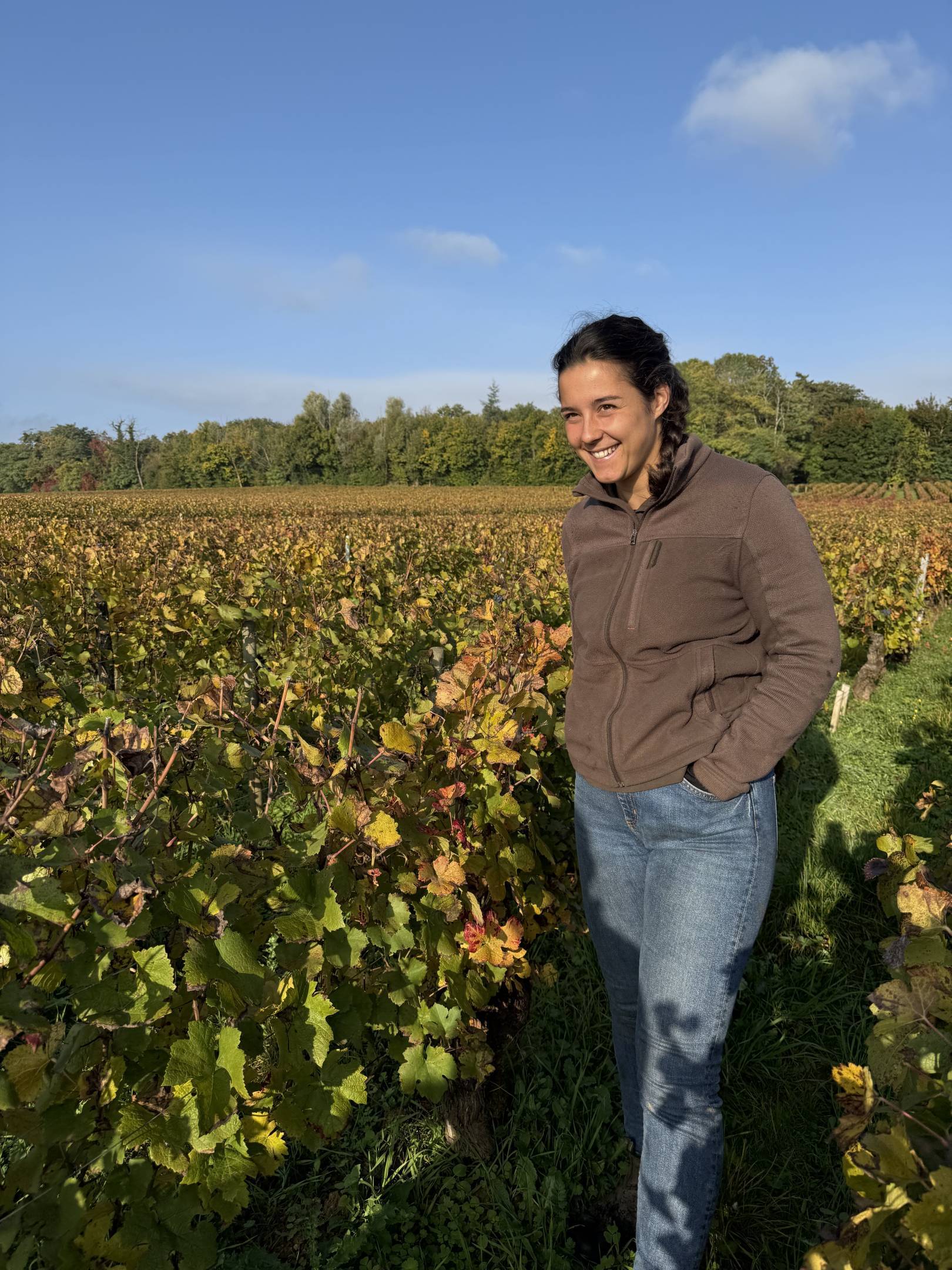
Léocadie trained in Bordeaux as an agricultural engineer and oenologist. Her training is scientific, but her path has been shaped by encounters. She worked at Château Figeac, where she learned precision, and in Argentina, where part of her family lives. Then she came to Burgundy, first at Dujac, with its poetic textures, and then alongside Chisa Bize. It was there, she says, that she learned to truly listen to the living world and to respect natural cycles and resources.
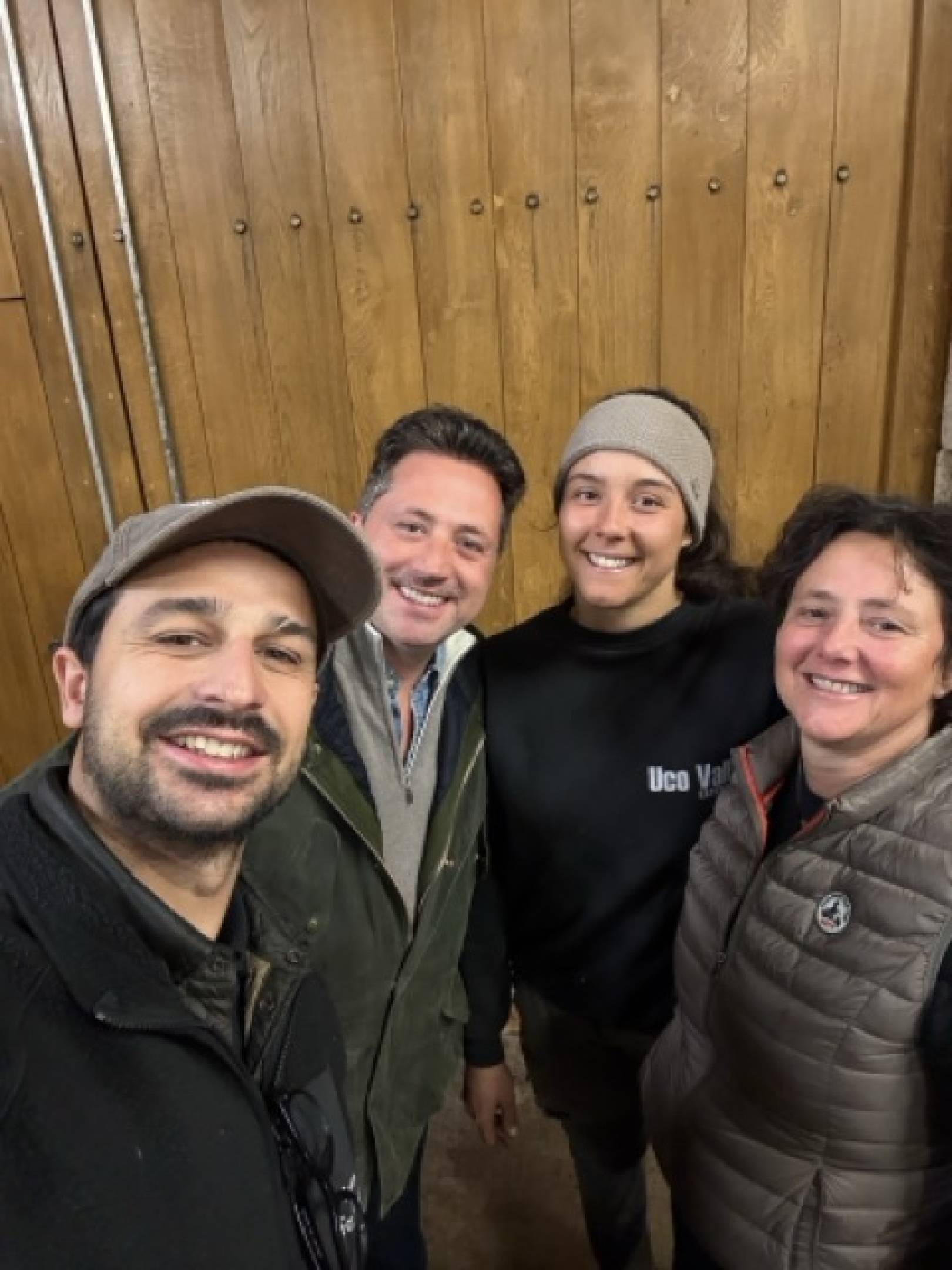
The last stop was Corgoloin, at the domaine of Didier Fornerol. Didier is a vigneron who left a deep mark on his vines and wines through a philosophy of rigorous standards and genuine humility. Léocadie worked two full seasons at his side, in the last years before he retired. When Didier chose to step back, he did not sell to an investor. He entrusted his vines to her.
That is how Domaine Leovila was born. It is not a break with the past, but its continuation with a clear direction, which Léocadie sums up in a single sentence: “great wine is made in the vineyard”.
One hillside, many soils: the terroir between Corgoloin and Magny-lès-Villers
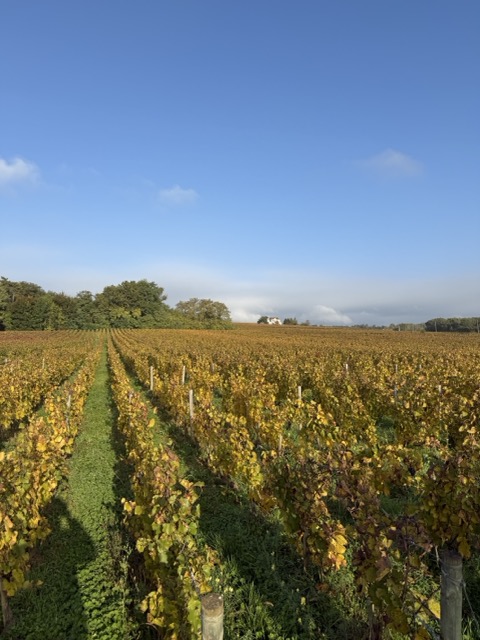
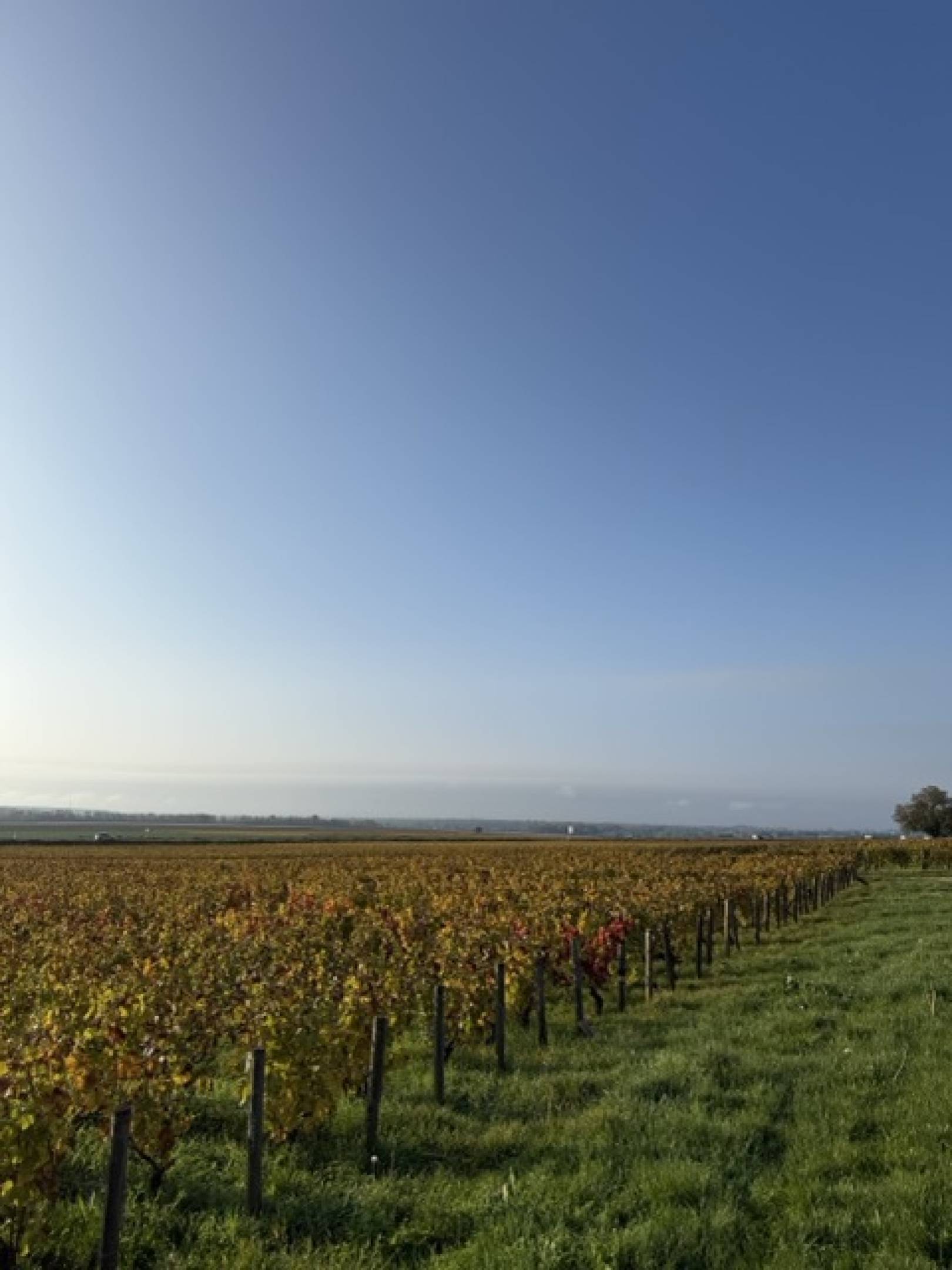
The domaine covers 6.5 hectares between Corgoloin and Magny-lès-Villers. Corgoloin is home to 87 of the 140 hectares of the Côte de Nuits-Villages appellation. Underfoot lies a diversity few villages can claim: Middle and Upper Jurassic limestone and marl, broken by tectonic faults, with slopes that change at every step and colluvial deposits washed down from the escarpment.
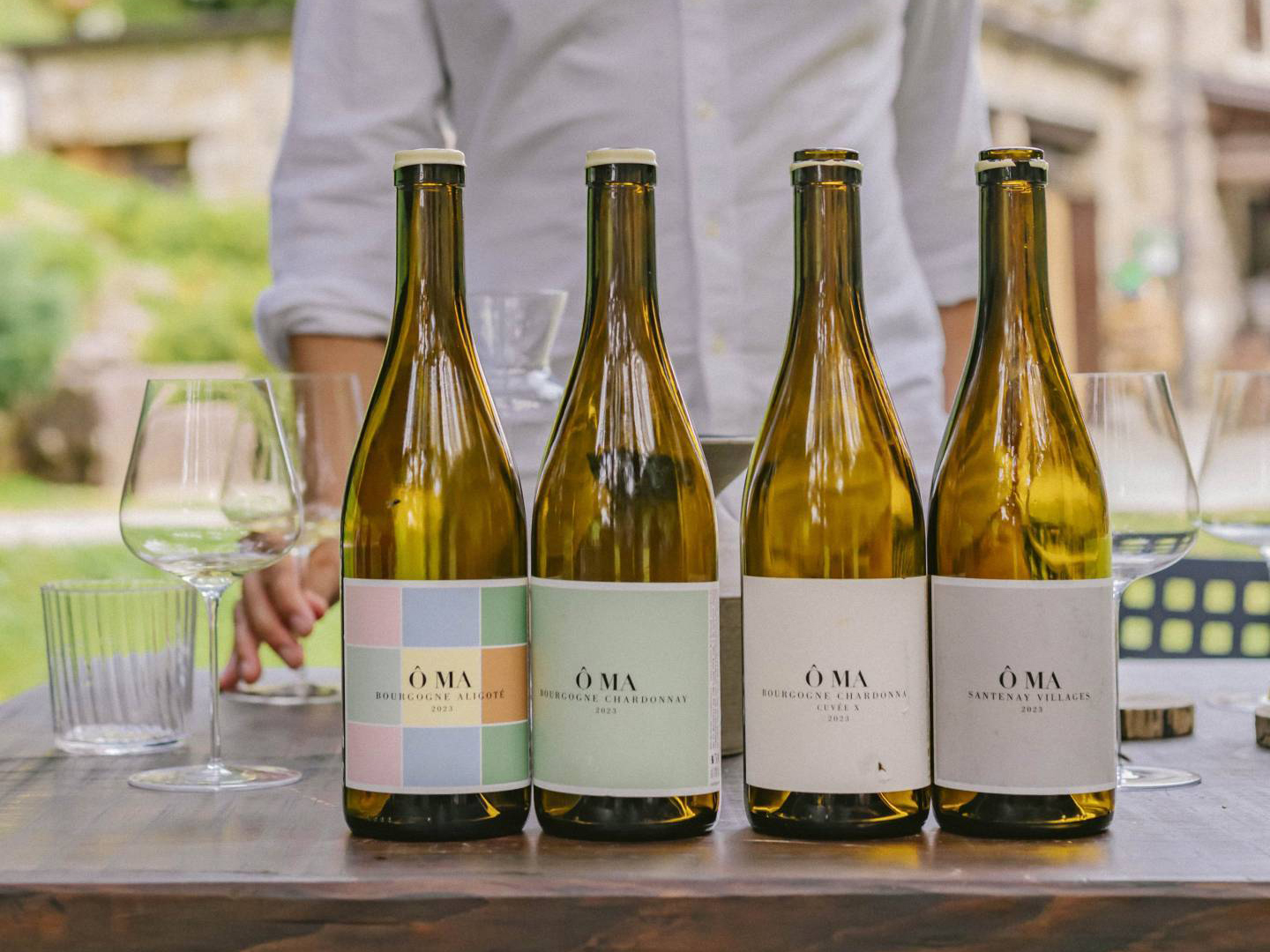
Higher up, on the Côte de Nuits-Villages and the Hautes-Côtes, you find compact Comblanchien limestone, limestone scree and colluvium over a clay-limestone bedrock. Lower down, on the Bourgogne appellations, there are clay-loams, Quaternary alluvium and marls from the Bresse Graben. The colours of the labels come from here too: they echo this diversity and the natural hues of Corgoloin’s soils.
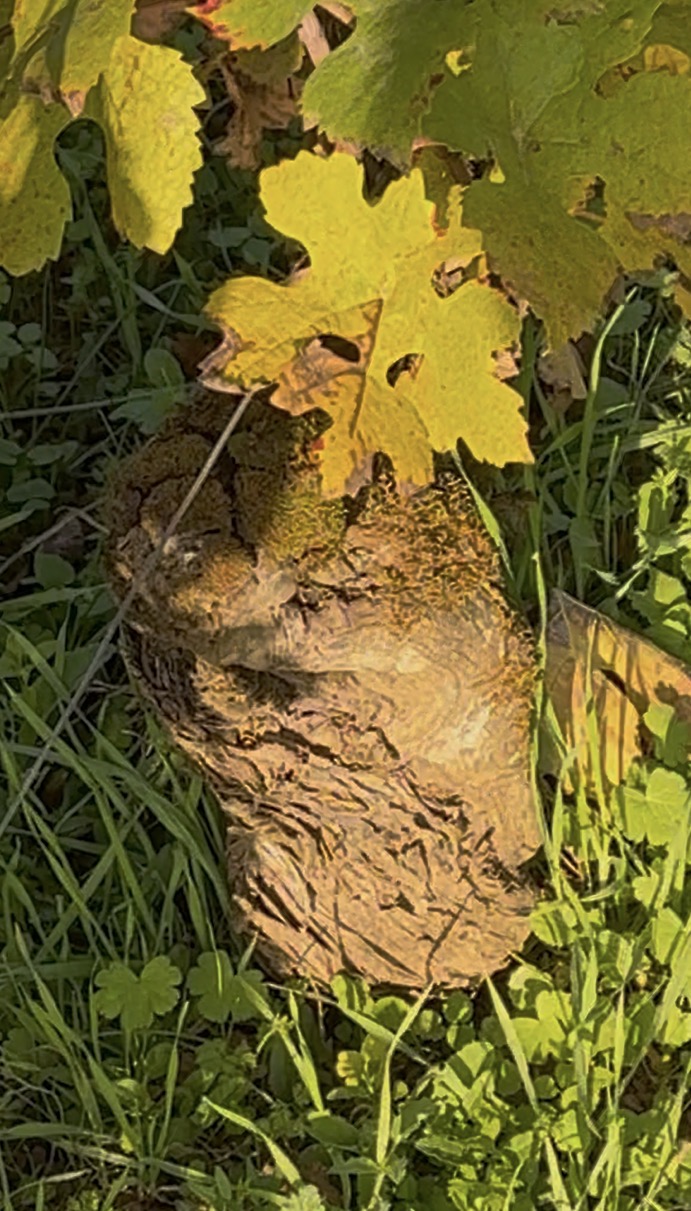
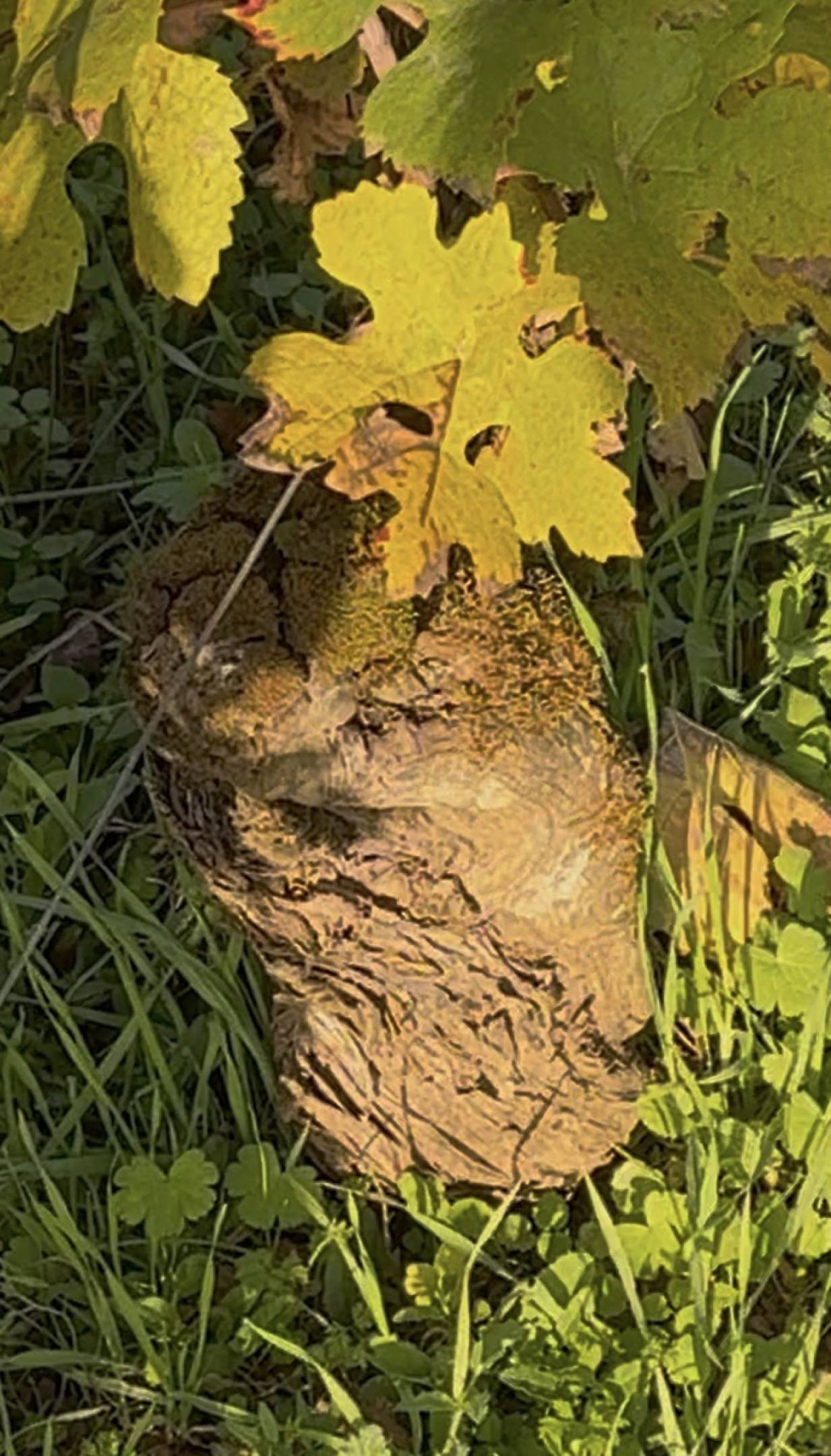
The vines are 65 years old on average, ranging from 15 to 100 years.
Horse, moon and whole clusters: the Leovila method
Since 2024 the domaine has been in organic conversion, now in its third year. The vines are tended by hand and ploughed with a tractor and a horse. Léocadie follows the weather and the lunar phases, in the vineyard and in the cellar, so that the energy of the terroir reaches the glass intact.
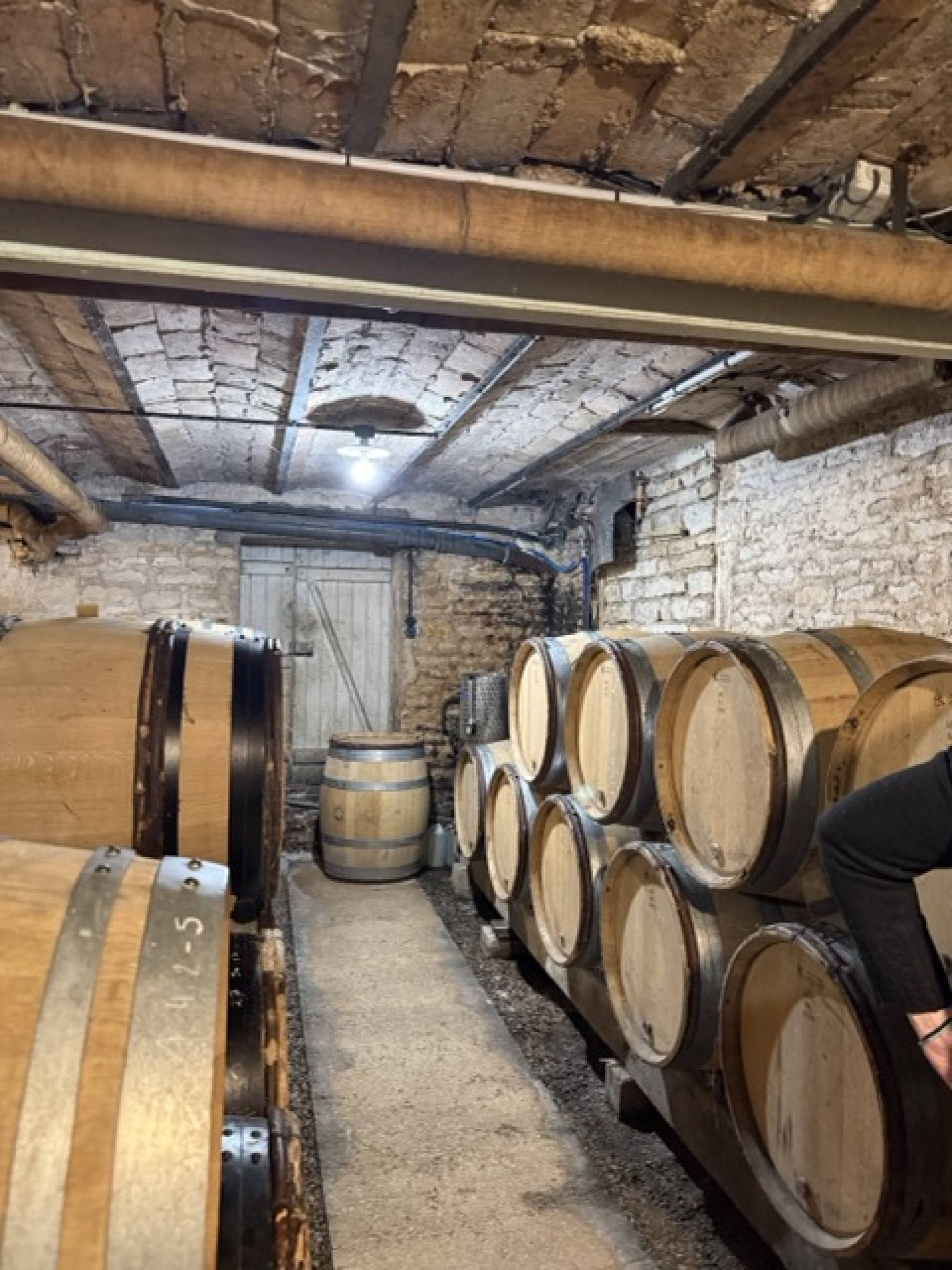
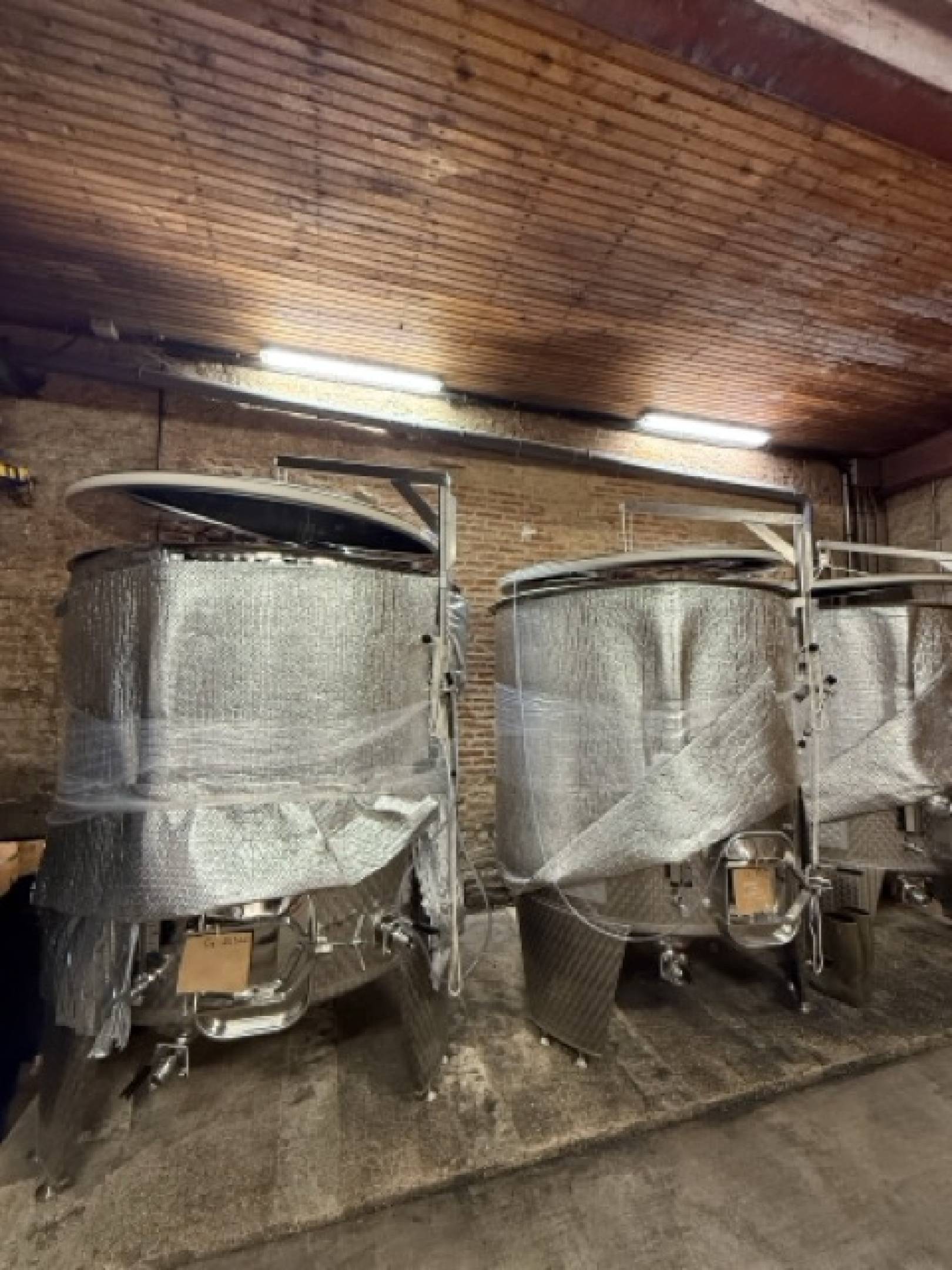
Harvest is by hand. In the cellar the wine ferments with indigenous yeasts, and the clusters go whole into maceration and the press. Ageing lasts 12 to 22 months in barrels and 500-litre demi-muids, with very little new oak. Inputs are minimal or none, and the wine is neither fined nor filtered. The domaine produces between 15,000 and 20,000 bottles a year.
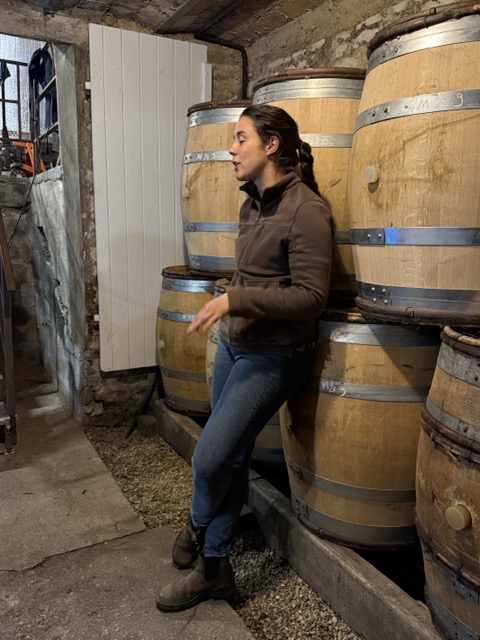
Behind it all is a simple idea: wine reflects the harmony between soil, vine and human intent.
The selection: eight wines to read a hillside
Bourgogne Aligoté “Les Arnolots”
It comes from the foot of the slopes, in the heart of the village. The soil is made of ancient alluvium, deep clays and silts formed from limestone debris. The plot catches the morning sun, while the silt holds water and freshness. It is a lively, intense and taut Aligoté.
Bourgogne Blanc
It grows on the lower part of the village, on deep soils rich in oolitic limestone debris, facing east. It is the most “solar” cuvée, because the plot gathers the afternoon heat. For this very reason, the harvest date shapes the wine’s verticality here more than anywhere else. In the glass it stays fresh, with a touch of reduction and the support of fine lees.
Côte de Nuits-Villages Blanc
It is a rarity: whites make up less than 10% of the appellation. It brings together two souls. Le Fourneau, lower down, on rich clay-limestone, brings generosity. La Montagne, higher up, brings balance.
Bourgogne Passetoutgrain “Les Chagniots”
The vines are 90 to 95 years old and sit on the lower slopes, where the valley silts meet the first limestone gravels. The soil is clay-limestone marl. Facing east, the plot warms quickly during the day, so Gamay and Pinot Noir ripen together.
Bourgogne Rouge
It is the Pinot Noir of the Les Fourneaux climat, the same as the Bourgogne Blanc, on the lower part of Corgoloin. The roots reach into deep soils enriched with oolitic limestone debris. The eastern exposure and the position hold the afternoon heat: it is a solar cuvée, where the harvest date weighs more than anywhere else on the wine’s verticality. The result is a Bourgogne of full fruit with a limestone backbone.
Bourgogne Hautes-Côtes de Nuits “La Fée”
The plot was once called La Flie. The vines are a hundred years old and grow on the plateau of Magny-lès-Villers, at 360 metres. The roots dig into hard Bathonian limestone, under a very thin layer of clay. The vineyard borders the forest at the top of the hill, and at night cool air flows down from the combe. Facing north, the plot gives the wine a crystalline purity.
Côte de Nuits-Villages “La Montagne”
The plot sits on the upper crown of the hill, just below the plateau. The soil is thin and stony, and the bedrock breaks through the surface. The forest closes it in above and below and acts as a natural air conditioner. By day the white stones reflect the heat; by night the woods bring the cool. It is the most airy, ethereal and vibrant of the domaine’s Côte de Nuits-Villages, all minerality, flowers and fine white pepper.
Côte de Nuits-Villages “Clos de Magny”
It lies at about 350 metres, carved into Upper Bathonian limestone and covered with fine scree and clay. The site is well ventilated and ripens late, so the grapes reach harvest fresh and healthy. The hard rock brings verticality, deep colour, distinctive tannins and great ageing potential.